Mulch With Leaf Mold
Apply a 5–8 cm layer of shredded leaves or leaf mold around the crown each spring to mimic woodland litter, stabilize soil moisture, and slowly add organic matter without using high-salt fertilizers.

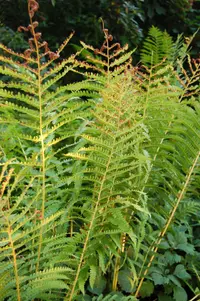
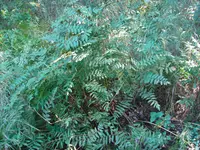
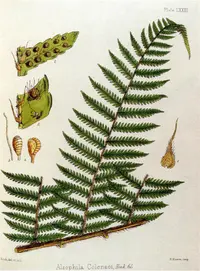
Cinnamon fern, Osmundastrum cinnamomeum, is a hardy deciduous fern native to moist woodlands, bogs, and stream banks across eastern North America. It forms large, upright clumps with graceful green fronds and distinctive cinnamon-colored fertile fronds in the center. The plant spreads slowly from a creeping rhizome, creating a natural, woodland look in shaded gardens. It prefers consistently damp, acidic, humus-rich soil and filtered light, which reflects its wetland origins. Once its needs for moisture and shade are met, it is a durable species and relatively simple to care for cinnamon fern.

Care Difficulty
Moderate Care

Light Preference
Partial Shade

Water Requirements
Keep Soil Moist

Temperature Preference
Cold Hardy

Hardiness Zone
3–9

Soil Texture
Loamy, Silty, Organic-rich

Soil pH
Strongly acidic (4.5–5.5), Acidic (5.5–6.5)

Soil Drainage
Waterlogged tolerant

Fertilization
Minimal (feed rarely)
Scan your plant to receive care tips personalized for your specific plant
Available on iOS and Android
This fern prefers moist, woodland-style light rather than intense direct sun.
This species is adapted to consistently moist to wet soils and does not tolerate drying out.
This fern is hardy and tolerates a wide range of outdoor temperatures across much of North America.
This fern prefers consistently moist air similar to its boggy native habitats.
This species thrives in consistently moist, organic-rich, slightly acidic soil that mimics wet woodland or bog conditions.
This fern can be grown in containers if the pot is deep and moisture-retentive.
This fern is adapted to low-nutrient woodland soils and needs only light feeding in cultivation.
Pruning Osmundastrum cinnamomeum is mainly about hygiene and tidiness rather than reshaping the plant.
This fern is usually grown in the ground, with transplanting done infrequently and carefully to protect the crown and rhizomes.
Propagation of cinnamon fern is possible but most practical for home gardeners by division rather than spores.
This fern is fully cold hardy across most temperate climates and needs minimal winter attention.

Plant Health Check
Not sure what's wrong with your plant? Check your plant's health inside the app.
Genetic and fossil evidence shows this fern belongs to one of the most ancient fern lineages, with close relatives already present in Jurassic-age deposits over 150 million years ago.
The name cinnamon fern comes from its separate fertile fronds, which turn a distinct cinnamon-brown color as spores mature in densely packed clusters along the midribs.
In wet woods and boggy sites, its dense rhizomes and fibrous roots help stabilize saturated soils and create microhabitats that support mosses, liverworts, and moisture-loving invertebrates.

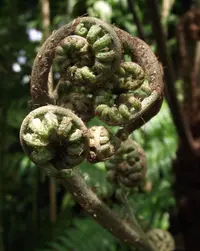
Native peoples in eastern North America have long used the spring fiddleheads of this fern as a traditional seasonal food, carefully harvesting only the young sterile fronds while they are tightly coiled and before any fuzz or browning develops.
Leaf browning usually results from low humidity, inconsistent moisture, or exposure to strong sun and wind. Check soil to stay evenly moist, increase humidity, and shield the plant from harsh exposure to prevent further damage.
Keep your plants happy and healthy with plant identification, disease detection, and easy care guidance.