Use sturdy staking
Install a solid stake or low cage early in the season and loosely tie stems with soft ties so brittle growth is supported before heavy flowering and fruiting begin.

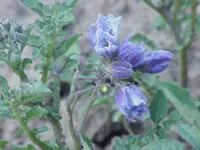
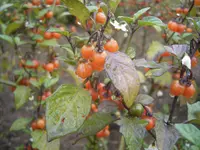
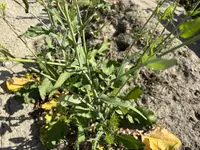
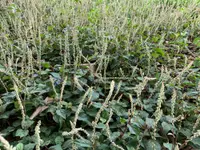
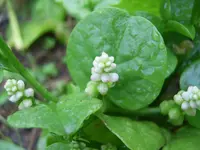
Solanum chacoense is a wild potato species in the nightshade family, grown mainly for research and breeding rather than for food. It forms a low, branching herb with compound leaves and small, usually white to pale violet, star-shaped flowers followed by berry-like fruits.
This species is native to South America, especially regions of Argentina, Bolivia, and Paraguay, where it grows in open, often dry habitats. It can be moderately challenging to grow because it is sensitive to frost, susceptible to common potato pests, and needs good light and air circulation.
Gardeners who want to care for Solanum chacoense should provide well-drained soil, regular but not excessive moisture, and a position with full sun to light shade.

Care Difficulty
Moderate Care

Light Preference
Full Sun

Water Requirements
Regular Water

Temperature Preference
Cool Climate

Hardiness Zone
3–7

Soil Texture
Loamy, Sandy, Organic-rich

Soil pH
Acidic (5.5–6.5), Slightly acidic (6.5–7.0)

Soil Drainage
Moist but well-drained

Fertilization
Light (every 4–6 weeks)
Scan your plant to receive care tips personalized for your specific plant
Available on iOS and Android
This species prefers bright, open conditions similar to sunny field edges.
Watering should support steady growth while avoiding prolonged soil saturation.
This plant grows best in mild, frost-free outdoor conditions.
This species grows best with moderate, steady humidity but copes fairly well with typical indoor air.
This species prefers a loose, well‑aerated, moderately fertile substrate that drains freely yet holds some moisture.
This species is suitable for container growing when the pot allows steady root expansion and rapid drainage.
This wild potato relative usually grows acceptably in average soil, but moderate feeding improves vigor when growing Solanum chacoense for ornamental or research purposes.
Pruning is mainly used to maintain healthy structure and manage size in Solanum chacoense plantings.
This species is more often grown in ground beds, but container-grown Solanum chacoense benefits from occasional repotting or careful transplanting.
Solanum chacoense is commonly propagated from seed or vegetative pieces for breeding and conservation work.
This potato relative has limited frost tolerance and benefits from some winter management in cooler climates.

Plant Health Check
Not sure what's wrong with your plant? Check your plant's health inside the app.
This South American species is a wild relative of the cultivated potato, Solanum tuberosum, and has been used in breeding programs as a source of resistance to several important pests and diseases, including potato cyst nematodes and certain viruses.
The plant displays a well-studied self-incompatibility system, a genetic mechanism that prevents self-fertilization and promotes cross-pollination, making it a model species for research on plant reproductive biology.
Its leaves and other tissues contain specific glycoalkaloids, such as leptines, that deter insect herbivores like the Colorado potato beetle, which is one reason breeders are interested in growing Solanum chacoense.

Solanum chacoense has become a key experimental organism in plant molecular biology and genetics, with its genome and reproductive traits extensively characterized, so researchers frequently use it to study gene function, pollen–pistil interactions, and the evolution of self-incompatibility in the nightshade family.
All parts of this species contain glycoalkaloids, similar to other wild nightshades. Ingestion can cause gastrointestinal and neurological symptoms in pets and humans. Treat it as toxic, prevent chewing, and seek medical advice after suspected ingestion.
Keep your plants happy and healthy with plant identification, disease detection, and easy care guidance.