foxtail lily Care (Eremurus robustus)

Also known as: giant desert candle
foxtail lily

About foxtail lily

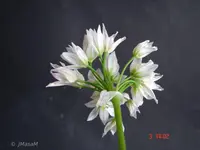
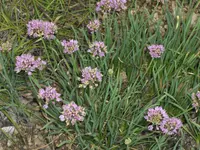
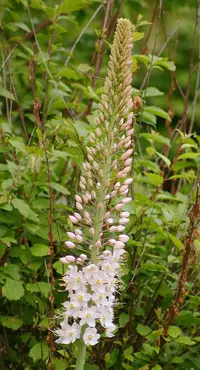
Foxtail lily (Eremurus robustus) is a hardy, herbaceous perennial grown for its tall, dramatic flower spikes and architectural form. It grows from star-shaped tuberous roots that sit close to the soil surface and send up narrow, strap-like leaves in spring. In early summer it produces impressive, bottlebrush-like spikes covered in many small, pale pink flowers that attract bees and other pollinators. The species is native to central Asia, where it grows in open, sunny, and often dry mountain slopes and steppes. It can be challenging to care for foxtail lily because it dislikes disturbance, needs excellent drainage, and is sensitive to winter wet.

Main Plant Requirements

Care Difficulty

Moderate Care

Light Preference

Full Sun

Water Requirements

Low Water

Temperature Preference

Cold Hardy

Hardiness Zone

5–8

Soil Texture

Sandy, Loamy, Rocky

Soil pH

Slightly acidic (6.5–7.0), Neutral (7.0)

Soil Drainage

Well-drained

Fertilization

Minimal (feed rarely)

Get Personalized Care Plan

Scan your plant to receive care tips personalized for your specific plant

Available on iOS and Android

How to Care for the foxtail lily

This sun-loving perennial needs strong light to build tall, sturdy flower spikes.

  • Provide full sun for 6–8 hours daily; open exposure is ideal for tall, straight stems and dense flower spikes in foxtail lily.
  • Allow only light afternoon shade in very hot climates; morning sun plus high, bright light the rest of the day helps prevent leaf scorch while maintaining bloom quality.
  • Avoid planting near tall shrubs or walls that cast shade, as less than 4–5 hours of direct sun leads to weak growth, flopping stems, and reduced flowering.

This species prefers dry to moderately moist soil and is sensitive to excess water around its roots.

  • In active growth and bloom, water only when the top 3–5 cm of soil is dry, then soak deeply so water drains quickly away from the crown and roots.
  • From late summer into dormancy, reduce watering sharply; in many climates, natural rainfall is enough if soil is free-draining and not compacted.
  • Watch for limp, wrinkled leaves as a sign of underwatering, and for yellowing, soft, or collapsing bases on Eremurus robustus as indicators of overwatering or poor drainage.

This plant prefers cool to mild temperatures with a distinct winter chill followed by a steadily warming spring.

  • Active growth and flowering are strongest at 55–70°F (13–21°C), with cool nights encouraging sturdy stems and long-lasting blooms.
  • Dormant tuberous roots tolerate winter lows down to about 0–5°F (-18 to -15°C) if soil drains well and crowns are mulched lightly to prevent freeze–thaw damage.
  • During summer, plants handle short periods up to 85–90°F (29–32°C), but extended heat combined with wet soil increases rot risk, so dry, airy sites are important.

Eremurus robustus handles low humidity well and does not need special air moisture control.

This species needs fast-draining, airy soil to keep its tuber-like roots dry and well oxygenated.

  • Use a sandy or gritty loam with 40–60% coarse material such as sharp sand, fine gravel, or grit.
  • Incorporate a small amount of well-rotted compost to add structure without making the soil heavy or waterlogged.
  • Aim for slightly alkaline to neutral pH, around 7.0–7.8, and avoid strongly acidic mixes.
  • Never plant in compacted clay or spots where water stands after rain, as this quickly causes root and crown rot.

This species is generally unsuitable for long-term container growing due to its deep, spreading root system and tall, top-heavy stems.

This tall perennial benefits from light, targeted feeding to support strong stems and flower spikes.

  • Apply a balanced slow-release fertilizer (around 10-10-10) at 1/2 strength in early spring as new growth emerges.
  • In lean soils, top-dress with a thin layer of compost around, not over, the crown of the foxtail lily.
  • Feed once more in late spring if growth appears weak, then stop fertilizing after flowering finishes.
  • Avoid fertilizing during summer dormancy and winter, as the roots rest and excess nutrients may cause rot.

Pruning Eremurus robustus focuses on removing spent growth while preserving energy in the roots.

  • Cut off spent flower spikes at the base after blooming to prevent unwanted seeding and keep the area tidy.
  • Allow foliage to yellow and die back naturally, then remove it gently in late summer or fall to recharge the crown.
  • Use clean, sharp hand pruners or scissors to reduce tearing and limit disease entry points.
  • Avoid cutting green leaves, as premature removal reduces photosynthesis and weakens next year’s flowering.

This species is best grown in the ground and dislikes frequent disturbance, so transplant only when clearly needed.

  • Transplant in late summer to early fall when foliage has died back and the crown is dormant.
  • Look for signs such as crowded clumps, reduced flowering, or slow growth before lifting Eremurus robustus.
  • Dig a wide, shallow hole, keeping the brittle roots intact, and set the crown on well-drained soil or a sand/grit layer.
  • Water lightly after replanting, then keep soil just barely moist to minimize root stress and prevent rot while it re-establishes.

Propagation of Eremurus robustus is possible but slow, most often done by division or seed in dedicated collections.

  • Divide mature crowns only when flowering declines, lifting carefully to avoid snapping the fleshy roots.
  • Separate natural offsets and replant them immediately in well-drained soil, spacing widely to allow future growth.
  • Sow fresh seeds in trays outdoors in fall, exposing them to natural cold stratification for several months.
  • Maintain evenly moist, gritty substrate with good air circulation, as seedlings grow slowly and resent waterlogging.

This hardy perennial tolerates cold winters but benefits from some root-zone protection in wet or exposed sites.

  • In zones with reliable snow cover, the crown usually overwinters outdoors without extra measures.
  • Apply a light mulch of coarse bark or gravel in late fall to insulate the root plate and improve drainage.
  • Cut back dead stems in late fall, but leave any remaining mulch until early spring growth begins.
  • For container plants, move pots to a cold, sheltered spot such as an unheated garage to avoid deep freezing of the root ball.

Care Tips

Secure Flower Spikes

Install discreet stakes or a low ring support when the main stem reaches 30–40 cm to prevent wind damage and stem breakage on the very tall flower spikes.

Mark Planting Sites

Place permanent markers or stones where crowns are planted so you avoid disturbing the shallow, radiating roots during dormant seasons or when reworking beds.

Improve Winter Drainage

In regions with wet winters, create a slight mound or raised strip and top-dress with coarse grit or gravel around the crown in late fall to reduce crown rot risk.

Lift And Divide

Every 5–7 years lift the crowns in late summer after foliage has fully died back, gently separate offsets, then replant immediately at the same depth to maintain vigor and expand your clump when growing foxtail lily.

Targeted Slug Protection

Place slug barriers or traps in a ring around emerging shoots in early spring rather than over the whole bed, focusing protection where tender growth is most vulnerable.

Common Pests and Diseases

Bulb rot

This disease affects the thick, star-shaped root crown and storage roots, especially in heavy or wet soils. Symptoms include yellowing foliage, stunted growth, and soft, foul-smelling tissue at the base of the plant.

Solution

Lift and discard severely affected plants and any rotting roots, then improve drainage with coarse grit or raised beds before replanting. Plant crowns shallowly in light, well-drained soil, avoid overwatering, and space plants so the crown area dries quickly after rain to support Eremurus robustus care instructions.

Crown rot

This disease starts at the central crown where the fleshy roots attach, often after prolonged soil moisture in winter or early spring. Symptoms include collapse of shoots from the base and brown, mushy tissue at the crown level.

Solution

Remove and destroy affected crowns and any surrounding wet, organic debris, then allow the planting area to dry thoroughly. In future seasons, site plants on a slight slope or raised mound, keep mulch pulled back from the crown, and avoid overhead watering so the crown area stays relatively dry.

Slugs and snails

These pests feed on emerging spring shoots and young foliage, often before the plant fully develops. Symptoms include ragged holes in leaves and sometimes complete removal of tender tips.

Solution

Hand-pick slugs and snails in the evening, use physical barriers such as copper tape or grit around the clump, and reduce dense mulch where they hide. In high-pressure areas, set out beer traps or use an iron phosphate-based bait according to label directions, keeping it away from children and pets.

Aphids

These insects cluster on young stems, buds, and the tall flower spikes, sucking sap and causing distortion or sticky honeydew deposits. This pest can attract sooty mold fungi and may reduce flowering quality.

Solution

Spray colonies off with a strong jet of water in the early morning and repeat as needed. For persistent infestations, apply insecticidal soap or a light horticultural oil, coating the undersides of leaves and stems while avoiding treatment during strong sun or high heat.

Botrytis blight

This disease, caused by Botrytis fungus, develops in cool, damp weather, especially where foliage stays wet and air circulation is poor. Symptoms include brown or tan leaf spots, dying flower buds, and gray, fuzzy mold on affected tissues.

Solution

Remove and destroy infected leaves and spent flower stalks promptly, and keep the area around the plant free of dead plant material. Improve spacing and airflow, water at soil level in the morning, and in severe cases consider using a labeled fungicide during long wet periods, following all safety instructions.

Interesting Facts

Origins in Central Asia

This species is native to the high, open steppes of Central Asia, especially in Kyrgyzstan and nearby regions, where it grows in rocky, well-drained mountain soils with cold winters and dry summers.

Exceptionally Tall Flower Spikes

Mature plants produce some of the tallest inflorescences in the genus, with dense cylindrical flower spikes that can reach over 2 m in ideal outdoor conditions, carrying hundreds of pale pink to soft peach flowers.

Massive Starfish-Like Roots

The plant forms a distinctive spider- or starfish-like root plate with thick, radiating storage roots, an adaptation that allows rapid spring growth in climates with short growing seasons and dry summers.

Botan icon

Did you know?

Eremurus robustus is widely used in hybrid breeding programs because its very tall habit, pale pastel flower color, and strong vertical accent are reliably passed on to many modern foxtail lily cultivars.

FAQs about foxtail lily

Lack of flowers usually comes from bulbs planted too shallowly, insufficient winter chill, or nutrient-poor, dry soil in late spring. Crowded clumps also decline. Dividing and replanting deeply in fertile, well-drained ground often restores flowering when growing foxtail lily.

Grow Healthy Plants with Botan Care

Keep your plants happy and healthy with plant identification, disease detection, and easy care guidance.

Botan plant care app — identify plants on mobile

Explore More Plants