creeping cinquefoil Care (Potentilla reptans)

creeping cinquefoil

About creeping cinquefoil

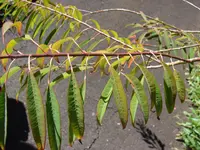
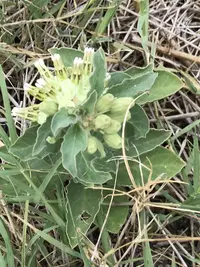
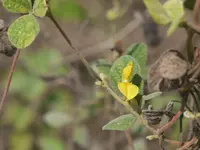
Creeping cinquefoil, Potentilla reptans, is a low-growing perennial herb that spreads by long, rooting runners and forms loose mats over soil or between stones. Its leaves are typically divided into five toothed leaflets, and it produces small, bright yellow, buttercup-like flowers during the warmer months.

This species is native to Europe and parts of Asia but now appears in many temperate regions, often in grasslands, paths, and disturbed ground. It is usually easy to care for creeping cinquefoil because it tolerates poor soils, moderate foot traffic, and a range of light and moisture conditions, though it prefers sun and well-drained ground.

Main Plant Requirements

Care Difficulty

Easy Care

Light Preference

Full Sun

Water Requirements

Moderate Water

Temperature Preference

Cold Hardy

Hardiness Zone

3–8

Soil Texture

Sandy, Loamy, Clay

Soil pH

Slightly acidic (6.5–7.0), Neutral (7.0)

Soil Drainage

Moist but well-drained

Fertilization

Minimal (feed rarely)

Get Personalized Care Plan

Scan your plant to receive care tips personalized for your specific plant

Available on iOS and Android

How to Care for the creeping cinquefoil

Potentilla reptans prefers full sun but adapts to light shade in many garden settings.

  • Provide 6–8 hours of direct sun daily; morning sun with light afternoon shade helps reduce leaf scorch in hotter regions.
  • Plant in an open position; it tolerates partial shade (3–4 hours sun), but flowering and dense spread of creeping cinquefoil will decrease in deeper shade.
  • In summer heat, strong reflected afternoon sun can stress foliage; in cooler seasons, slightly more direct light supports compact, vigorous growth.

Potentilla reptans prefers consistently moist, well-drained soil rather than constant saturation.

  • Water when the top 2–4 cm of soil feels dry; in most climates this means deeper watering after dry spells rather than frequent shallow splashes.
  • Use soil that drains freely; puddling around crowns, yellowing leaves, or soft, blackened roots indicate overwatering and poor drainage.
  • During hot, windy periods, monitor for wilting and dry, crisp leaf edges as signs of underwatering, then irrigate thoroughly and mulch to slow surface drying.

This hardy groundcover tolerates a wide temperature range, with best growth in mild conditions.

  • Optimal growth occurs around 60–75°F (16–24°C), where foliage stays dense and flowering is most consistent.
  • Established plants survive winter cold down to about 0°F (−18°C) with reliable snow or mulch cover, though top growth may die back.
  • In hot climates, short periods to 85–90°F (29–32°C) are tolerated if soil moisture is maintained; prolonged extreme heat can reduce flowering and vigor.

This species is adaptable and humidity is rarely a concern in typical outdoor or indoor conditions.

Potentilla reptans prefers light, airy soil that drains quickly yet holds modest moisture.

  • Use a sandy or loamy mix with 20–30% compost to support spreading growth without staying waterlogged.
  • Aim for slightly acidic to neutral pH around 6.0–7.0, avoiding strongly alkaline or saline soils that restrict nutrient uptake.
  • Improve drainage and aeration by blending in coarse sand or fine grit rather than water-retentive peat-heavy mixes.
  • Avoid compacted clay or sites where water stands after rain, as prolonged saturation promotes root and crown rot.

This species grows well in containers, especially for controlled spreading or hanging displays.

  • Choose a wide, shallow pot to accommodate its creeping runners while preventing unnecessary depth that traps moisture around roots.
  • Select a heavier terracotta or ceramic container if used outdoors, which helps stabilize the plant against wind as stems trail over the rim.
  • Position the pot where trailing stems can hang or spill safely, preventing damage to runners that root when they touch another soil surface.

Potentilla reptans is a low-feeding groundcover that benefits from light nutrition on poor soils.

  • Apply a balanced, slow-release fertilizer (for example 10-10-10) at half strength once in early spring.
  • On very lean or sandy soils, repeat a light feeding mid-summer if growth or flowering slows.
  • Use a thin layer of compost around plants instead of heavy granular doses to avoid lush, weak growth.
  • Do not feed in late fall or winter, as the plant is semi-dormant and extra nutrients are unused.

Potentilla reptans responds well to light, periodic pruning for tidier growth and better flowering.

  • Best time for structural pruning is early spring, before strong new growth begins.
  • Shear or trim back straggly runners after flowering to keep mats dense and controlled.
  • Remove dead, damaged, or crowded stems with clean hand pruners or sharp scissors.
  • Light trimming encourages fresh foliage and more flowers without exhausting the plant.

This species is more often transplanted in the ground than repotted, as it spreads by runners.

  • Transplant in early spring or early fall, when temperatures are mild and soil is moist.
  • Move plants when clumps outgrow their space or roots fill and circle a container.
  • Lift with a trowel, keep a generous soil ball, and disturb the roots as little as possible.
  • Replant at the same depth, water thoroughly, then shade lightly for a few days to reduce stress.

Potentilla reptans is commonly propagated by runners, division, or seed in basic garden conditions.

  • Use natural runners and plantlets in spring or early fall, pegging them into loose, moist soil until rooted.
  • Divide established mats in spring, replanting vigorous sections with healthy roots and discarding woody centers.
  • Sow fresh seed on the soil surface in fall or early spring; light and cool conditions support germination.
  • Maintain evenly moist, well-drained soil for several weeks to allow new roots to establish securely.

This species is generally cold hardy in temperate climates and needs minimal winter attention.

  • Established plants tolerate typical frost and snow once roots are anchored in well-drained soil.
  • Apply a 2–5 cm mulch layer in late fall in colder regions to buffer freeze–thaw cycles around roots.
  • Container-grown creeping cinquefoil may be overwintered in a sheltered, unheated spot to prevent pot freezing solid.

Care Tips

Control Spreading Runners

Use a hand trowel or shears to cut and remove excess stolons every 4–6 weeks during the growing season to prevent the plant from overrunning nearby beds or lawns.

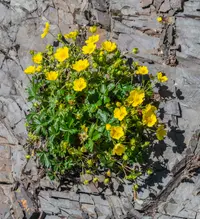
Encourage Rooted Mats

Pin down a few healthy runners with U-shaped garden pins or bent wire so their nodes root into the soil, creating denser groundcover in gaps or bare patches.

Targeted Weed Suppression

Establish plants 20–30 cm apart in a staggered pattern, then lightly mulch only between young crowns to limit weeds without burying or rotting the creeping stems.

Low-Traffic Path Use

In garden paths or between stepping stones, allow the plant to spread only where foot traffic is light and keep a 3–5 cm buffer from stone edges to reduce wear and bare spots when growing creeping cinquefoil.

Monitor For Rust

Check foliage every few weeks for orange-brown pustules on the undersides of leaves, and promptly remove and dispose of affected leaves to limit the spread of rust fungi in dense plantings.

Common Pests and Diseases

Powdery mildew

This disease causes a white, powdery coating on leaves and stems, often in warm, dry conditions with poor air circulation. Symptoms include distorted new growth and premature leaf drop, especially on dense mats of creeping stems.

Solution

Remove heavily infected leaves and thin crowded patches to improve airflow across the groundcover. Avoid overhead watering, water early in the day, and, if needed, apply a sulfur- or potassium bicarbonate-based fungicide labeled for ornamental groundcovers according to the package directions.

Leaf spot

This disease produces small brown or purple spots on leaves that may merge into larger blotches, leading to yellowing and early defoliation in humid weather. Symptoms include weakened plants and a patchy, unattractive groundcover.

Solution

Cut and dispose of affected foliage to reduce the source of infection and avoid watering the foliage late in the day. Improve spacing and airflow, remove dense thatch, and in recurring cases use a labeled broad-spectrum fungicide during wet periods as part of broader Potentilla reptans care instructions.

Strawberry aphid

These insects often colonize the tender tips and undersides of leaves, sucking sap and causing curling, distortion, and sticky honeydew on the foliage. This pest can attract sooty mold fungi and may reduce flowering on stolon tips.

Solution

Spray colonies off stems and leaves with a firm stream of water, repeating as needed, and encourage natural predators such as lady beetles by minimizing broad-spectrum insecticides. For persistent infestations, apply insecticidal soap or a light horticultural oil, ensuring thorough coverage of leaf undersides.

Spider mite

These pests are tiny sap-feeding arachnids that thrive in hot, dry sites and can cause fine stippling, bronzing, and eventual drying of the low, spreading foliage. Symptoms include delicate webbing between leaflets and along runners.

Solution

Increase humidity around the plants by occasional hosing, and rinse foliage thoroughly to dislodge mites from the dense mat. In more serious cases, use horticultural oil or insecticidal soap targeted to the undersides of leaves, repeating at label intervals until populations decline.

Verticillium wilt

This disease is a soil-borne fungal infection that can cause sudden wilting, yellowing, and dieback of entire patches, often with some stems collapsing while others remain green. Symptoms include poor recovery even with adequate soil moisture and may be more common where other susceptible hosts, such as strawberries, grow nearby.

Solution

Remove and discard affected plants and nearby soil to limit spread, and avoid replanting creeping cinquefoil or other susceptible hosts in the same spot for several years. Improve drainage and soil structure with organic matter and choose resistant or non-host species if the site has a known history of verticillium problems.

Interesting Facts

Efficient stolon spread

This species spreads rapidly using long stolons, above-ground runners that root at the nodes, allowing a single plant to form wide, clonal patches in open grassland and disturbed soils.

Specialist leaf miners

Its leaves are host to several specialist leaf-mining insects, whose larvae live and feed within the leaf tissue, creating visible tunnels that are often used by ecologists to track local insect diversity.

Moisture-tolerant habitats

In the wild, it is frequently found along riverbanks, ditches, and damp meadows across Europe and parts of Asia, showing a marked tolerance for periodically waterlogged but not permanently flooded soils.

Botan icon

Did you know?

Genetic studies have shown clear differentiation between Potentilla reptans and closely related cinquefoils, helping botanists resolve long-standing taxonomic confusion within the Potentilla genus and better understand how these creeping species evolved and spread across Europe.

FAQs about creeping cinquefoil

This species spreads quickly by above-ground runners that root at the nodes, forming a low mat. In garden beds, it can become invasive if unmanaged. Edge barriers and regular trimming of stolons help keep it contained.

Grow Healthy Plants with Botan Care

Keep your plants happy and healthy with plant identification, disease detection, and easy care guidance.


Botan plant care app — identify plants on mobile

Explore More Plants