Rotate For Even Bloom
Turn containers 90° every 1–2 weeks so all sides receive similar light, which keeps plants symmetrical and encourages flower trusses on all sides rather than only on the sunniest edge.

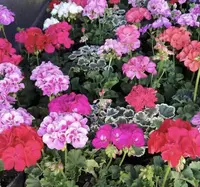
Garden geranium (Pelargonium × hybridum) is a compact, sun-loving ornamental grown mainly for its bright flower clusters and often scented, lobed leaves. It is widely used in containers, window boxes, and garden beds for seasonal color.
This plant is a horticultural hybrid, not found in the wild, but derived from South African Pelargonium species. It usually forms a bushy mound with sturdy stems and long-lasting blooms in red, pink, white, or bicolors.
Pelargonium × hybridum is generally easy to grow, as it tolerates heat, brief dryness, and regular pruning. It prefers sunny conditions, moderate watering, and well-drained soil, which makes it straightforward to care for garden geranium in most home gardens.

Care Difficulty
Easy Care

Light Preference
Full Sun

Water Requirements
Moderate Water

Temperature Preference
Tropical / Frost Sensitive

Hardiness Zone
10–11

Soil Texture
Sandy, Loamy, Organic-rich

Soil pH
Slightly acidic (6.5–7.0), Slightly alkaline (7.0–7.5)

Soil Drainage
Well-drained

Fertilization
Moderate (every 2–4 weeks)
Scan your plant to receive care tips personalized for your specific plant
Available on iOS and Android
Pelargonium × hybridum performs best with strong, direct light for compact, floriferous growth.
Watering for Pelargonium × hybridum should balance brief drying with protection from prolonged drought or saturation.
Stable, mild conditions support strong growth and flowering throughout the season.
This species prefers relatively dry air and usually performs well in typical indoor humidity levels.
Pelargonium × hybridum grows best in a light, well-aerated, fast-draining substrate.
This plant is very suitable for container growing in outdoor beds, patios, and balconies.
Pelargonium × hybridum responds well to modest, consistent feeding during active growth for best flowering.
Thoughtful pruning keeps Pelargonium × hybridum compact, branching, and floriferous.
Container-grown plants benefit from occasional repotting or transplanting to maintain vigorous growth.
Many growers increase Pelargonium × hybridum by stem cuttings taken during the warm season.
In most temperate climates, this plant behaves as frost-tender and needs protection to survive winter outdoors.

Plant Health Check
Not sure what's wrong with your plant? Check your plant's health inside the app.
Pelargonium × hybridum is not a naturally occurring wild species but a group of complex hybrids developed mainly from South African Pelargonium parents selected for showy flower heads and compact habit.
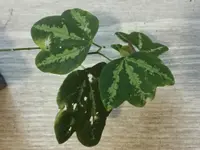
Many Pelargonium × hybridum cultivars show distinctive concentric bands or zones on the leaves, caused by patterns of chlorophyll distribution that helped breeders select attractive foliage as well as flowers.
Under suitable light and regular deadheading, Pelargonium × hybridum can flower almost continuously from late spring until frost, which is why it is widely used in seasonal containers and bedding schemes.

Some heritage cultivars of Pelargonium × hybridum have been maintained in European garden collections since the 19th century, making them living examples of early ornamental plant breeding history.
Lack of blooms often relates to low light, excessive nitrogen fertilizer, or old, spent flower heads left on the plant. Regular deadheading, moderate feeding, and strong light usually restore flowering and support growing garden geranium in containers or beds.
Keep your plants happy and healthy with plant identification, disease detection, and easy care guidance.