Early vine training
Install a fine trellis or wire grid before new shoots emerge, then loosely tie young stems with soft ties every 10–15 cm to guide the plant and prevent wind damage at the base.

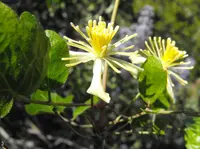
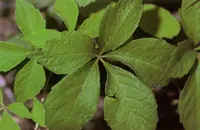
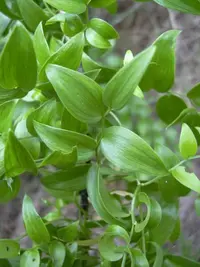
Ropevine clematis (Clematis pauciflora) is a woody, twining climber known for its slender stems and small, pale flowers held along fine, rope-like shoots. It often develops a light, airy canopy rather than a dense wall of foliage.
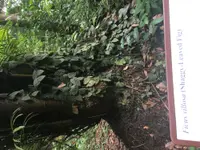
This species is native to parts of South America, where it scrambles over shrubs and rocks in relatively dry, open habitats. Its naturally vigorous climbing habit makes it suitable for training on trellises, fences, or pergolas.
Clematis pauciflora is generally moderate in difficulty, as it needs support to climb and benefits from thoughtful pruning. Those who learn how to care for ropevine clematis usually find it reliable if given sun, well-drained soil, and protection from extreme cold.

Care Difficulty
Moderate Care

Light Preference
Full Sun

Water Requirements
Moderate Water

Temperature Preference
Warm Climate

Hardiness Zone
9–11

Soil Texture
Sandy, Loamy, Rocky

Soil pH
Slightly acidic (6.5–7.0), Slightly alkaline (7.0–7.5)

Soil Drainage
Well-drained

Fertilization
Minimal (feed rarely)
Scan your plant to receive care tips personalized for your specific plant
Available on iOS and Android
Clematis pauciflora prefers bright, cool sun exposure with some protection from intense afternoon heat.
This clematis prefers consistently moist but not waterlogged soil, with deeper watering rather than frequent splashes.
This species is adapted to mild, dry climates and handles a moderate temperature range when roots are protected.
This species tolerates a wide humidity range and rarely needs special humidity management outdoors.
Clematis pauciflora prefers loose, well-drained, moderately fertile soil that stays evenly moist but not saturated.
This species can be grown in containers if the pot allows deep root run and stable support for its vining growth.
Clematis pauciflora benefits from light, consistent feeding during the active growing season but does not need heavy fertilization.
Clematis pauciflora responds well to thoughtful pruning that maintains a tidy framework and encourages flowering.
This clematis is more often transplanted in the garden than repotted, as it prefers a stable root environment.
Clematis pauciflora is commonly propagated by semi-ripe cuttings and layering for reliable clonal plants.
This clematis is relatively cold hardy and usually needs only modest winter care in temperate climates.

Plant Health Check
Not sure what's wrong with your plant? Check your plant's health inside the app.
Clematis pauciflora naturally occurs in arid and semi-arid desert washes and rocky slopes of the southwestern United States and northwestern Mexico, tolerating intense sun and low rainfall that would stress many other clematis species.
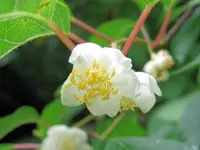
Unlike the large, showy blooms of many garden clematis, this species bears numerous small, pale cream to yellowish flowers that are often sparsely distributed along the stems, matching its name pauciflora, which means few-flowered.
This species develops a woody base and climbs by twining its leaf stalks around nearby shrubs or rocks, allowing the vine to scramble through desert vegetation rather than relying on tendrils or adhesive roots.

In parts of its native desert range, Clematis pauciflora can act as a seasonal nectar and pollen resource for early-emerging native bees, flowering at times when few other woody vines are in bloom, which supports local pollinator communities in a resource-scarce environment.
This species is not usually considered invasive in typical home gardens. It can, however, scramble over nearby shrubs and fences. Manage growth with pruning and provide a defined support to keep it within bounds.
Keep your plants happy and healthy with plant identification, disease detection, and easy care guidance.