woodbine Care (Parthenocissus vitacea)

Also known as: Thicket Creeper, False Virginia Creeper, Grape Woodbine
woodbine

About woodbine

Woodbine, Parthenocissus vitacea, is a vigorous deciduous vine in the grape family grown for its quick coverage and seasonal color. It climbs using small, branched tendrils that can grip supports, fences, or rough walls without needing much training.

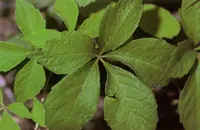
Leaves are typically divided into 5 leaflets, giving a soft, textured look in summer and turning red to purple in fall. Small flowers are not showy but develop into dark berries that attract wildlife.

This species is native to North America and adapts to a wide range of climates and soils, which makes it relatively simple to establish. Those wanting to care for woodbine should note that it prefers sun to light shade and moderately moist, well-drained soil.

Main Plant Requirements

Care Difficulty

Easy Care

Light Preference

Full Sun

Water Requirements

Moderate Water

Temperature Preference

Cold Hardy

Hardiness Zone

3–9

Soil Texture

Sandy, Loamy, Clay

Soil pH

Acidic (5.5–6.5), Slightly acidic (6.5–7.0)

Soil Drainage

Well-drained

Fertilization

Minimal (feed rarely)

Get Personalized Care Plan

Scan your plant to receive care tips personalized for your specific plant

Available on iOS and Android

How to Care for the woodbine

Parthenocissus vitacea grows best with strong outdoor light and moderate sun exposure.

  • Provide 4–6 hours of direct sun daily, ideally morning sun with afternoon shade, to support dense foliage and strong tendrils on woodbine.
  • Plant in a site with partial shade in hotter regions, protecting it from intense afternoon sun that can scorch young leaves or cause dry, crispy edges.
  • Monitor seasonal changes; in spring and fall, more direct sun is beneficial, while in midsummer some filtered light reduces heat stress and leaf scorch.

Parthenocissus vitacea prefers consistent soil moisture but tolerates short dry periods once established.

  • Before watering, let the top 3–5 cm of soil dry, then water deeply so moisture reaches the root zone, especially during the first 1–2 growing seasons.
  • In summer, watch for drooping or dull leaves as a sign of thirst; in cooler months, reduce watering as growth slows and natural rainfall often suffices.
  • Ensure well-drained soil to prevent standing water; yellowing leaves, soft stems, or a sour soil smell often indicate overwatering or poor drainage.

This hardy vine tolerates a wide temperature range but grows most vigorously in mild to warm conditions.

  • Active growth is strongest around 65–80°F (18–27°C), which supports rapid vine extension and leaf development through spring and early summer.
  • Mature plants tolerate winter lows near -20°F (-29°C) in many regions, dying back aboveground in very cold climates but resprouting from hardy roots.
  • In hot spells above 90°F (32°C), growth may slow; provide mulch to keep roots cooler and reduce stress from reflected heat off walls or paving.

This species tolerates a wide humidity range, so humidity management is rarely critical outdoors.

Parthenocissus vitacea grows best in moderately fertile, well-structured soil that drains freely yet retains some moisture.

  • Aim for a loamy or sandy-loam texture with plenty of organic matter to support strong root development.
  • Ensure drainage is rapid; mix in coarse sand or fine gravel where soil tends to stay wet after rain.
  • Target a slightly acidic to neutral pH around 6.0–7.5, which suits most landscape situations.
  • Avoid heavy, compacted clay or sites with standing water, and improve aeration with compost and coarse materials before planting.

This vigorous climber can be grown in containers if the pot is large, stable, and drains efficiently.

  • Choose a deep, heavy container that resists tipping once the vine gains height and leaf mass.
  • Fill the pot with a sharply draining mix, such as peat- or coir-based medium amended with bark and perlite, to prevent waterlogging around the roots.
  • Place the container where a strong trellis, fence, or railing is immediately available so new shoots can be secured early for stability.

Parthenocissus vitacea grows well in average soil and usually needs only light feeding in managed landscapes.

  • Apply a balanced, slow-release fertilizer (for example, 10-10-10) once in early spring if growth is weak or soil is poor.
  • Use a low to medium rate, or half-strength compared with label directions, to avoid overly lush, floppy shoots.
  • Supplement with a thin layer of compost around the root zone to improve soil structure and nutrient availability.
  • Do not feed in late fall or winter, when the vine is dormant and nutrient demand is low.

Parthenocissus vitacea responds well to pruning and can be kept within bounds with simple, seasonal cuts.

  • Carry out main pruning in late winter or very early spring before new growth starts.
  • Remove dead, damaged, or crossing stems first, then thin crowded shoots to improve light and air flow.
  • Shorten or redirect long runners to control spread and maintain the desired wall, fence, or groundcover form.
  • Use sharp bypass pruners or loppers, making clean cuts just above buds or lateral branches to reduce injury.

This vigorous vine is usually grown in-ground, so transplanting is more common than container repotting.

  • Transplant in early spring or early fall, when temperatures are mild and moisture is reliable.
  • Move plants when growth slows, roots circle a pot, or the vine clearly outgrows its support or space.
  • Dig a wide planting hole, disturbing roots as little as possible and setting the crown at existing soil level.
  • Water thoroughly after planting, then keep soil evenly moist for several weeks to reduce transplant shock and support new root growth.

Parthenocissus vitacea is commonly propagated from cuttings or natural layering, with seed used less often.

  • Take semi-ripe stem cuttings in late spring to midsummer, including 2–3 nodes per piece.
  • Insert cuttings into moist, well-drained medium, keep in bright shade, and maintain high humidity until rooted.
  • Encourage layering by pinning flexible stems to the soil; roots form at nodes and can later be separated.
  • Sow cleaned seeds outdoors in fall or provide cold stratification at 34–41°F for several weeks before spring sowing.

This vine is cold hardy across much of North America and usually needs minimal winter care in the ground.

  • After leaf drop, growth stems remain hardy in most climates down to typical winter lows for its range.
  • Apply a 5–8 cm mulch layer over the root zone in late fall to moderate soil temperature and moisture.
  • For container-grown woodbine, move pots to a sheltered, unheated but frost-free spot or insulate containers to protect roots.

Care Tips

Early support setup

Install strong trellis, wires, or masonry anchors before planting so new shoots can attach immediately and you avoid tearing pads off later when adjusting support.

Direct shoot training

In the first 1–3 seasons, hand-guide young stems to their intended direction and gently tie them with soft ties at 30–45 cm intervals to create an even, well-covered wall or fence.

Facade protection strip

Leave a 5–10 cm gap between the vine base and building foundations or siding and use a buried root barrier if needed to keep suckers from spreading into cracks or joints.

Controlled spread management

Each spring, cut or peel off any new tendrils that reach gutters, roof edges, windows, or utility lines so the plant stays on its intended surface and does not cause maintenance issues.

Leaf litter handling

After autumn leaf drop, rake and remove the dense leaf carpet from lawn or groundcovers to reduce fungal overwintering sites and keep nearby plants from being smothered when growing woodbine.

Common Pests and Diseases

Leafhoppers

This pest feeds on the undersides of leaves, causing pale stippling, tiny white spots, and sometimes leaf curling or browning on woodbine vines.

Solution

Rinse foliage with a strong stream of water to dislodge nymphs, then monitor weekly; if activity stays high, apply insecticidal soap or a neem oil spray in the evening, coating leaf undersides thoroughly and improving surrounding plant diversity to encourage natural predators such as lacewings and lady beetles.

Japanese beetles

These insects skeletonize leaves by eating the tissue between veins, often causing large, ragged holes and a lacy appearance on sun‑exposed vines.

Solution

Handpick beetles in early morning and drop them into soapy water, reducing feeding quickly; in larger infestations, use targeted traps placed away from the vine and consider a summer application of neem oil on foliage to reduce feeding while maintaining healthy, well‑watered plants that can regrow damaged leaves.

Powdery mildew

This disease appears as white or gray powdery patches on upper leaf surfaces, which can lead to yellowing and premature leaf drop in shaded or crowded plantings.

Solution

Remove and discard heavily infected leaves to reduce spore load, then improve air circulation by thinning nearby vegetation; if needed, apply a labeled fungicide or a potassium bicarbonate or sulfur spray during dry weather, keeping foliage as dry as possible and avoiding unnecessary overhead watering.

Leaf spot

Symptoms include small brown to purplish spots on leaves that may merge into larger blotches, sometimes causing early leaf drop under wet, humid conditions.

Solution

Prune out and dispose of affected leaves and fallen debris to reduce reinfection, then adjust irrigation to water at soil level in the morning; in repeated outbreaks, use a copper‑based or chlorothalonil fungicide at label rates during extended wet periods as part of broader Parthenocissus vitacea plant care.

Grape phylloxera

This pest causes blister‑like galls on leaves, especially on young growth, giving foliage a bumpy, distorted look though plants often remain vigorous.

Solution

Remove and discard heavily galled leaves early in the season to reduce the population, encourage beneficial insects by avoiding broad‑spectrum insecticides, and only in severe, recurring cases use a systemic insecticide labeled for ornamental grapes, applied according to local regulations and label directions.

Interesting Facts

Tendrils Without Discs

This species climbs using forked tendrils that coil around supports but normally does not form adhesive discs, so it does not stick to walls as strongly as Parthenocissus quinquefolia.

Distinctive Berry Cluster

Its dark blue to almost black berries are carried on bright red pedicels, creating a strong color contrast that helps birds locate the fruit quickly in late summer and fall.

Hybridization With Relatives

In areas where it overlaps with P. quinquefolia, this species can form natural hybrids, which can blur identification and produce plants with intermediate leaf and tendril traits.

Botan icon

Did you know?

This vine is an important structural component of many Midwestern and Great Plains woodland edges, where its dense growth provides cover and nesting sites for birds while also serving as a seasonal food source through its fruit.

FAQs about woodbine

This vine is generally fast-growing, often extending 60–120 cm per year once established. Growth speed depends on light, soil fertility, moisture, and available support. In poor or dry sites, expect noticeably slower elongation and smaller leaves.

Grow Healthy Plants with Botan Care

Keep your plants happy and healthy with plant identification, disease detection, and easy care guidance.

Botan plant care app — identify plants on mobile

Explore More Plants