Wind-hardening young trees
Stake only the first 1–2 years and allow some trunk movement so the tree develops strong taper and anchoring roots, then remove stakes completely to avoid girdling and windthrow later.

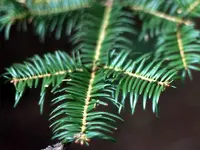
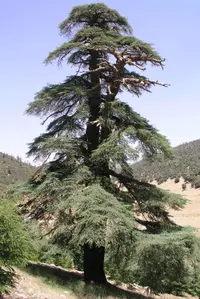
Momi fir (Abies firma) is an evergreen coniferous tree valued for its dense, glossy green needles and strong, straight trunk. It forms a broad, pyramidal crown and can become a large landscape tree in suitable climates.
This species is native to Japan, where it grows on mountain slopes with cool, humid conditions. It is known for better heat and pollution tolerance than many other firs, which makes it useful in urban and suburban plantings.
Momi fir generally prefers full sun, moderately moist, well-drained soil, and benefits from some protection from extreme drought or waterlogging. These traits make it relatively adaptable for those learning how to care for Momi Fir.

Care Difficulty
Moderate Care

Light Preference
Full Sun

Water Requirements
Moderate Water

Temperature Preference
Cold Hardy

Hardiness Zone
6–9

Soil Texture
Sandy, Loamy, Clay

Soil pH
Slightly acidic (6.5–7.0), Neutral (7.0)

Soil Drainage
Well-drained

Fertilization
Minimal (feed rarely)
Scan your plant to receive care tips personalized for your specific plant
Available on iOS and Android
This species prefers full sun in most temperate landscapes for dense, healthy growth.
This conifer prefers evenly moist, well-drained soil rather than frequent, shallow watering.
This hardy fir tolerates a wide temperature range but grows best in moderate conditions.
This species tolerates a wide humidity range and does not usually need special air moisture management outdoors.
Abies firma prefers deep, well-drained, moderately moist mineral soil with stable structure.
This species can be grown in containers for several years, mainly as a young specimen or patio tree.
This species grows well in average soil and needs only light, targeted feeding for best landscape performance.
Abies firma needs minimal pruning and is best kept in its natural conical form.
This fir is usually grown in the ground, so focus on careful transplanting of young trees rather than frequent repotting.
Abies firma is mainly propagated by seed in professional nurseries; home propagation is possible but slow.
This species is cold hardy and usually needs little special winter care once established in the landscape.

Plant Health Check
Not sure what's wrong with your plant? Check your plant's health inside the app.
This fir tolerates higher summer heat and urban air pollution better than most Abies species, which is why it is widely tested and used as a rootstock and street or park tree in warm-temperate cities.
Its needles are thick, tough, and strongly attached to the twigs, so they resist shedding and mechanical damage more than those of many other firs, an important trait where strong winds or handling occur.
Although it forms a relatively shallow root system, the roots spread widely and provide strong anchorage, making it less prone to windthrow than many other conifers on similar soils.

In Japan this species is often planted around shrines and temples and has been used as a rootstock for grafting ornamental fir cultivars, because its resilience greatly improves long-term survival and performance of the grafted trees.
This species has a moderate growth rate, typically adding about 30–45 cm per year in good conditions. Growth is faster in deep, moist, well-drained soil and slows in compacted, dry, or nutrient-poor sites.
Keep your plants happy and healthy with plant identification, disease detection, and easy care guidance.