Maytenus ilicifolia Care

Maytenus ilicifolia

About Maytenus ilicifolia

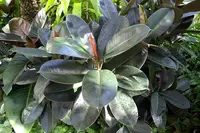
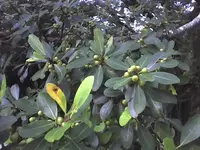
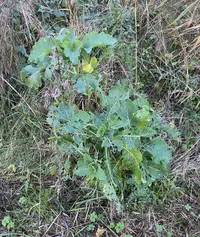
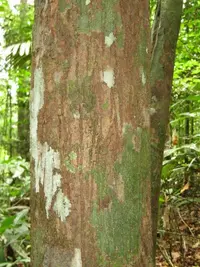
Maytenus ilicifolia is a small evergreen tree or large shrub, valued mainly for its traditional medicinal use rather than for ornamental display. It has simple, leathery green leaves and a naturally rounded, bushy habit that can be shaped with pruning.

This species occurs naturally in subtropical regions of South America, especially Brazil, Paraguay, and neighboring areas, where it grows in woodland and forest edges. In cultivation it prefers mild climates, well-drained soil, and regular moisture without waterlogging.

It is moderately easy to grow for gardeners who can provide frost protection and enough light. Understanding how to care for Maytenus ilicifolia starts with stable temperatures, protection from harsh cold, and avoiding very dry or compacted soils.

Main Plant Requirements

Care Difficulty

Moderate Care

Light Preference

Partial Sun

Water Requirements

Moderate Water

Temperature Preference

Warm Climate

Hardiness Zone

9–11

Soil Texture

Sandy, Loamy, Organic-rich

Soil pH

Acidic (5.5–6.5), Slightly acidic (6.5–7.0)

Soil Drainage

Well-drained

Fertilization

Minimal (feed rarely)

Get Personalized Care Plan

Scan your plant to receive care tips personalized for your specific plant

Available on iOS and Android

How to Care for the Maytenus ilicifolia

This shrub prefers bright exposure with some protection from intense midday sun.

  • Provide 4–6 hours of direct morning sun with light afternoon shade, or bright filtered light all day, especially in hotter climates.
  • Tolerates partial shade (around 3–4 hours of direct or dappled sun), but dense shade reduces growth and leaf density for Maytenus ilicifolia.
  • In summer, watch for leaf scorch or yellowing on west- or south-facing sites, and in winter ensure it still receives several hours of unobstructed light.

Watering should support steady growth while avoiding prolonged root saturation.

  • Allow the top 3–5 cm of soil to dry before deep watering, so moisture reaches the full root zone without staying constantly wet.
  • Use well-drained soil; signs of overwatering include yellowing leaves, soft stems, and sour-smelling soil, while crisp leaf edges and drooping tips often indicate underwatering.
  • In cooler months reduce frequency as growth slows, but never let established plants remain in bone-dry soil for long periods, especially in sandy ground.

This species prefers mild, frost-free conditions with moderate seasonal variation.

  • Aim for 65–80°F (18–27°C) for active growth; short periods up to about 86°F (30°C) are tolerated if soil moisture is stable.
  • Protect from frost; damage often occurs below 30–32°F (-1–0°C), and young plants are more sensitive than established specimens.
  • In regions with hot summers, use light afternoon shade and mulch to buffer soil temperature, while in cooler areas choose a warm, sheltered microclimate.

This species prefers moderate humidity and tolerates typical indoor levels if not overly dry.

  • Aim for 40–60% humidity, as very dry heated rooms can stress Maytenus ilicifolia over time.
  • Watch for crisp leaf edges, slowed growth, or leaf drop as signs of low-humidity stress rather than watering issues.
  • Increase humidity by grouping plants, using a nearby pebble tray, or running a small humidifier in very dry climates.

Provide a loose, well-aerated mix that drains quickly but holds some moisture.

  • Use a loamy mix with 40–60% composted organic matter plus mineral components like coarse sand or fine bark for structure.
  • Ensure sharp drainage; a mix of 2 parts potting soil, 1 part coarse sand, and 1 part fine bark or perlite works well.
  • Keep pH slightly acidic to neutral, roughly 6.0–7.0, avoiding highly alkaline substrates that can lock up nutrients.
  • Avoid compacted clay or waterlogged sites; improve heavy soil by deeply incorporating coarse sand and fine bark to increase aeration.

This shrub can adapt well to container growing when given enough root volume and drainage control.

  • Select a deep, heavy pot to balance the woody canopy and prevent tipping in wind or on balconies.
  • Choose a container material that matches your climate; thicker ceramic or clay moderates moisture and temperature better than thin plastic outdoors.
  • Raise the pot slightly on feet or bricks so drainage holes stay clear and runoff water does not pool under the container.

This species is modest in its nutrient needs, so light, balanced feeding is usually enough for healthy growth.

  • Use a balanced NPK granular or liquid fertilizer at 1/2 strength during active growth in spring and early summer.
  • Apply every 6–8 weeks if growth is in poor or sandy soil; skip feeding in fertile ground.
  • In late summer, stop high-nitrogen products to avoid soft, cold-sensitive growth.
  • During winter or dormancy, rely on compost or leaf mulch only, with no additional synthetic fertilizer.

Light pruning helps maintain structure and health without stressing Maytenus ilicifolia.

  • Best time is late winter to early spring before strong new growth starts.
  • Remove dead, diseased, crossing, or inward-growing branches with clean, sharp hand pruners or loppers.
  • Shorten overly long shoots to maintain a balanced, open crown and good air flow.
  • Avoid heavy cutting into old wood; shape gradually over several seasons to reduce shock.

This shrub or small tree is usually grown in the ground, so focus on careful transplanting rather than frequent repotting.

  • Transplant in late winter or early spring when growth is slow and temperatures are mild.
  • Look for circling roots, slowed growth, or a pot that dries out very fast as signs a container plant needs more space.
  • Move to a hole or pot 1–2 sizes larger, loosening outer roots gently and setting at the same soil level.
  • Water deeply after planting, then keep soil evenly moist and shaded for 1–2 weeks to limit root stress.

New plants are most often produced from semi-hardwood cuttings or seeds, though both methods can be slow.

  • Take semi-hardwood cuttings in late summer, using 8–12 cm pieces with several nodes and removing lower leaves.
  • Dip the cut base in rooting hormone, then place in a sterile, well-drained mix under high humidity and bright, indirect light.
  • Sow fresh seeds in spring in a free-draining mix; gentle scarification can improve germination.
  • Keep seeds and cuttings warm, around 70–77°F, and avoid waterlogging to prevent rot.

This species dislikes hard freezes, so some winter preparation is useful in regions colder than its native range.

  • In areas below about 25°F, grow Maytenus ilicifolia in containers and overwinter in a bright, frost-free space.
  • Apply a 5–8 cm mulch layer over the root zone in late fall in the ground to moderate temperature swings.
  • Use burlap or frost cloth around young plants during cold snaps to reduce foliage and stem damage.

Care Tips

Deep root training

In the first 2–3 years, water less often but deeply and mulch a 5–8 cm ring around the base to encourage a deeper, more drought-resilient root system.

Wind-shaping young plants

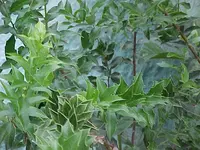
In open or windy sites, use a single, loose stake for the first 1–2 years and remove it as soon as the trunk can stand alone so the plant develops a strong, flexible framework.

Canopy thinning checks

Every late winter, step back and check that light can penetrate the canopy; selectively thin a few crowded inner twigs to reduce disease risk and keep foliage dense but airy.

Targeted pest scouting

From spring to early fall, inspect the undersides of leaves and young shoots every 2–3 weeks for scale insects or leaf miners, and treat early with a horticultural oil if populations are still light.

Managed understory zone

Keep a clear, lightly mulched circle 30–60 cm around the trunk free of turf and competing shrubs to reduce root competition and simplify caring for Maytenus ilicifolia over time.

Common Pests and Diseases

Leaf spot

Symptoms include small brown to dark-purple lesions on leaves that may merge into larger irregular patches, often starting on older foliage in humid, shaded conditions.

Solution

Remove and discard affected leaves, avoid overhead watering, and improve air circulation around the plant; if spots continue to spread, apply a copper-based or chlorothalonil fungicide labeled for ornamental shrubs, following label rates carefully.

Anthracnose

This disease causes dark, sunken blotches along leaf veins and young stems, sometimes leading to premature leaf drop during warm, wet periods.

Solution

Prune and destroy infected shoots, thin dense growth to reduce humidity, and use a systemic fungicide suitable for anthracnose on broadleaf shrubs at the first sign of symptoms, repeating according to label directions during prolonged wet weather.

Scale insects

These insects appear as small, fixed brown or gray bumps on stems and leaf undersides, sucking sap and causing yellowing foliage and reduced vigor.

Solution

Wipe stems and leaves with a cloth or cotton swab dipped in diluted alcohol or insecticidal soap, then follow with 2–3 applications of horticultural oil at 7–14 day intervals to target remaining crawlers while monitoring for reinfestation as part of ongoing Maytenus ilicifolia care.

Aphids

These insects cluster on young shoots and leaf undersides, excreting sticky honeydew that can attract sooty mold and interfere with photosynthesis.

Solution

Spray affected areas with a strong stream of water to dislodge colonies, then treat remaining aphids with insecticidal soap or a light horticultural oil, ensuring full coverage of new growth and repeating weekly until populations drop.

Leaf miner

This pest creates winding, pale tunnels inside the leaf blade, which may lead to cosmetic damage and partial leaf drop in young plants or nursery-grown stock.

Solution

Prune and dispose of heavily mined leaves, avoid overhead irrigation that favors adult activity, and use a systemic insecticide or neem-based product labeled for leaf miners on woody ornamentals if new mines continue to appear on fresh foliage.

Interesting Facts

South American understory shrub

This evergreen species is native to southern Brazil, Paraguay, Uruguay, and northern Argentina, where it grows as an understory shrub or small tree in Araucaria and Atlantic forest remnants.

Horned holly-like leaves

Its stiff, glossy leaves have sharp marginal teeth that resemble many holly species, an example of convergent evolution where unrelated plants evolve similar leaf defenses against herbivores.

Chemically well-studied foliage

The leaves contain well-characterized compounds such as tannins, triterpenes, and flavonoids, and the species has been the subject of numerous peer‑reviewed phytochemical studies due to long-standing traditional use in southern Brazil.

Botan icon

Did you know?

This species is so strongly associated with traditional use in southern Brazil that it is officially listed in the Brazilian Pharmacopoeia, which has driven ongoing conservation discussions about maintaining wild populations alongside cultivated sources.

FAQs about Maytenus ilicifolia

This species has a moderate growth rate. Young plants establish slowly during the first 1–2 years, then extend shoots more vigorously. Growth speed depends strongly on warmth, light, soil fertility, and consistent moisture rather than any single factor.

Grow Healthy Plants with Botan Care

Keep your plants happy and healthy with plant identification, disease detection, and easy care guidance.

Botan plant care app — identify plants on mobile

Explore More Plants