Provide sturdy trellising
Install a rigid trellis or horizontal wire system before planting so vines can be tied loosely with soft ties every 20–30 cm to keep stems off the ground and reduce fungal problems on leaves and fruit.

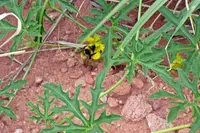
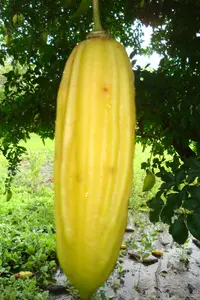
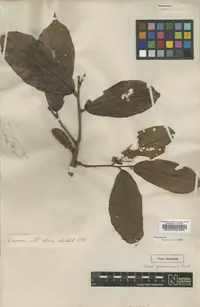
Cucurbitella asperata is a lesser-known flowering plant in the gourd family, typically studied more as a wild species than as a common garden plant. It is usually found in specific native habitats rather than in general cultivation.
The plant tends to have vining or trailing stems with small, inconspicuous flowers, reflecting its close relationship to other cucurbit relatives. Its growth habit and ecological preferences are still not well documented for home or ornamental use.
Because detailed horticultural information is limited, how to care for Cucurbitella asperata is not yet standardized, and it is best treated as an experimental or specialist plant. Gardeners interested in this species usually observe its natural habitat to infer suitable light, moisture, and soil conditions.

Care Difficulty
Moderate Care

Light Preference
Partial Shade

Water Requirements
Moderate Water

Temperature Preference
Warm Climate

Hardiness Zone
Unknown

Soil Texture
Loamy

Soil pH
Slightly acidic (6.5–7.0)

Soil Drainage
Well-drained

Fertilization
Minimal (feed rarely)
Scan your plant to receive care tips personalized for your specific plant
Available on iOS and Android
This species prefers bright, open conditions similar to other sun-loving cucurbits.
Watering should support steady growth while avoiding both soggy soil and prolonged drought.
Stable warmth is important for strong growth and flowering in this species.
This species prefers moderate to slightly humid air and reacts if conditions become too dry.
This plant performs best in loose, well-aerated, fast-draining soil that still holds moderate moisture.
This species can be grown in containers if the pot is chosen to support its spreading root system and seasonal top growth.
This species usually thrives in lean, well-drained soil, so fertilization for Cucurbitella asperata should stay light and infrequent.
Pruning is mainly used to maintain plant health and a manageable form for Cucurbitella asperata.
This species is more often grown in the ground, so focus on careful transplanting rather than frequent container repotting.
Propagation of Cucurbitella asperata is usually done on a small scale and benefits from controlled conditions.
This plant is moderately cold tolerant in suitable climates but can benefit from simple winter precautions.

Plant Health Check
Not sure what's wrong with your plant? Check your plant's health inside the app.
This species is a strictly aquatic ascomycete fungus that develops and reproduces only in water, typically in fast-flowing freshwater streams where organic debris is abundant.
Its small, dark ascomata (spore-bearing structures) have a distinctly spiny or asperate surface, a feature reflected in the species name asperata and used by mycologists to distinguish it from related aquatic fungi.
This fungus colonizes submerged plant material and helps break down leaf litter, contributing to nutrient cycling and energy flow in stream ecosystems as part of the freshwater decomposer community.
This species is primarily known as a microscopic plant pathogen, not an ornamental plant, so it does not function as a typical garden pollinator resource. It is associated with host plants rather than attracting bees or butterflies.
Keep your plants happy and healthy with plant identification, disease detection, and easy care guidance.