

Johnsongrass Identification (Sorghum halepense)

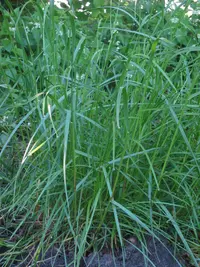
Recognize Johnsongrass by its tall cane-like stems, wide flat leaves that alternate along the stem, and a strong white midrib running the length of each blade.

Mature plants usually stand 3 to 8 feet (0.9 to 2.4 m) tall and carry large, open, branching flower clusters at the stem tips.

Sorghum halepense Identification

Check Your Plant ID

Check your plant ID by uploading a clear photo to Botan.

Clear images work best. Avoid photos taken too close or too far away

Use these quick visual checks for Sorghum halepense.

  • Tall, upright grass that often forms dense patches, usually 3-8 feet (0.9-2.4 m) tall.
  • Leaf blades are long and flat, about 12-24 inches (30-60 cm) long, with a strong white midrib.
  • Stems are stout, cane-like, and jointed, with leaves alternating along the stem.
  • Flower heads are large, open, and branching, forming a loose panicle at the stem tip.

Check the pale midrib and open flower panicle together for the most useful field clues.

Johnsongrass shows clear visual shifts from broad seedlings to tall, open, flowering clumps.

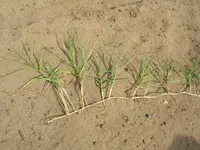
  • Seedling: Seedlings show narrow, upright grass blades from the base, with a distinct pale midrib and no tall cane-like stems yet visible.
  • Young plant: Young plants form leafy shoots from rhizomes, then produce thicker upright stems and longer arching leaves, creating a looser, more spreading clump.
  • Mature plant: Mature plants stand 3-7 feet (0.9-2.1 m) tall, with stout jointed stems, broad flat blades, and strong colonies from underground rhizomes.
  • Flowering stage: Flowering stems carry large, open, many-branched panicles above the leaves, shifting the plant from a leafy clump to a distinctly airy top.

In spring, Johnsongrass sends up fresh green shoots from rhizomes, forming coarse, upright leafy stems. By summer, the loose, branching flower heads become obvious above the leaves and are a strong field clue. From late summer into fall, those flower heads often shift to a more tawny or purplish tone as seeds mature. After frost, the top growth turns brown and dries, leaving standing dead stems for a time.

Several coarse grasses are often mistaken for Sorghum halepense.

sorghum(Sorghum bicolor)

Both are tall grasses with broad leaves and open seed heads. Sorghum usually grows in distinct planted clumps and lacks the long creeping rhizomes that let Johnsongrass spread into patches. Its seed head is often denser and more upright.

shattercane(Sorghum × drummondii)

This hybrid can look very close because it also has cane-like stems, broad leaves, and sorghum-type panicles. A quick check is the base: shattercane is typically an annual without the thick white rhizomes seen in established patches of this species.

Sorghum halepense is native to the Mediterranean region and parts of western Asia. In its native range, it occurs in open, disturbed places such as field margins, roadsides, riverbanks, ditches, and seasonally moist grassland. Habitat can help with identification because this species often forms dense stands in sunny lowland sites, especially where soil has been disturbed and moisture is available at least part of the year. Finding a tall rhizomatous grass in these settings can help narrow the ID.

  • Toxic foliage: Leaves and young shoots can contain cyanogenic compounds that release cyanide after ingestion. This mainly affects grazing pets and livestock, and can also be a human concern if plant parts are eaten.
  • Nitrate risk: Leaves and stems may also accumulate nitrates, especially under stress. Ingestion is the concern, mainly for livestock and pets; high intake can be harmful.

Not Sure About the ID?

Botan can identify or confirm a plant from a photo, helping you decide what to compare next before making a final call.

FAQ

Look for a tall, rhizome-forming grass with broad leaf blades, a prominent white midrib, and a large open seed head. Mature plants often reach 3 to 7 feet (0.9 to 2.1 m) tall.

More Plant Identification Guides

From Plant ID to Plant Info

Use Botan to identify a plant from a photo, then review plant details, care information, and common problems for that species.

Botan app identifying a plant from a photo
How to Bottom Water Plants: Complete Guide

6 min read · 13 Jul 2026

How to Bottom Water Plants: Complete Guide

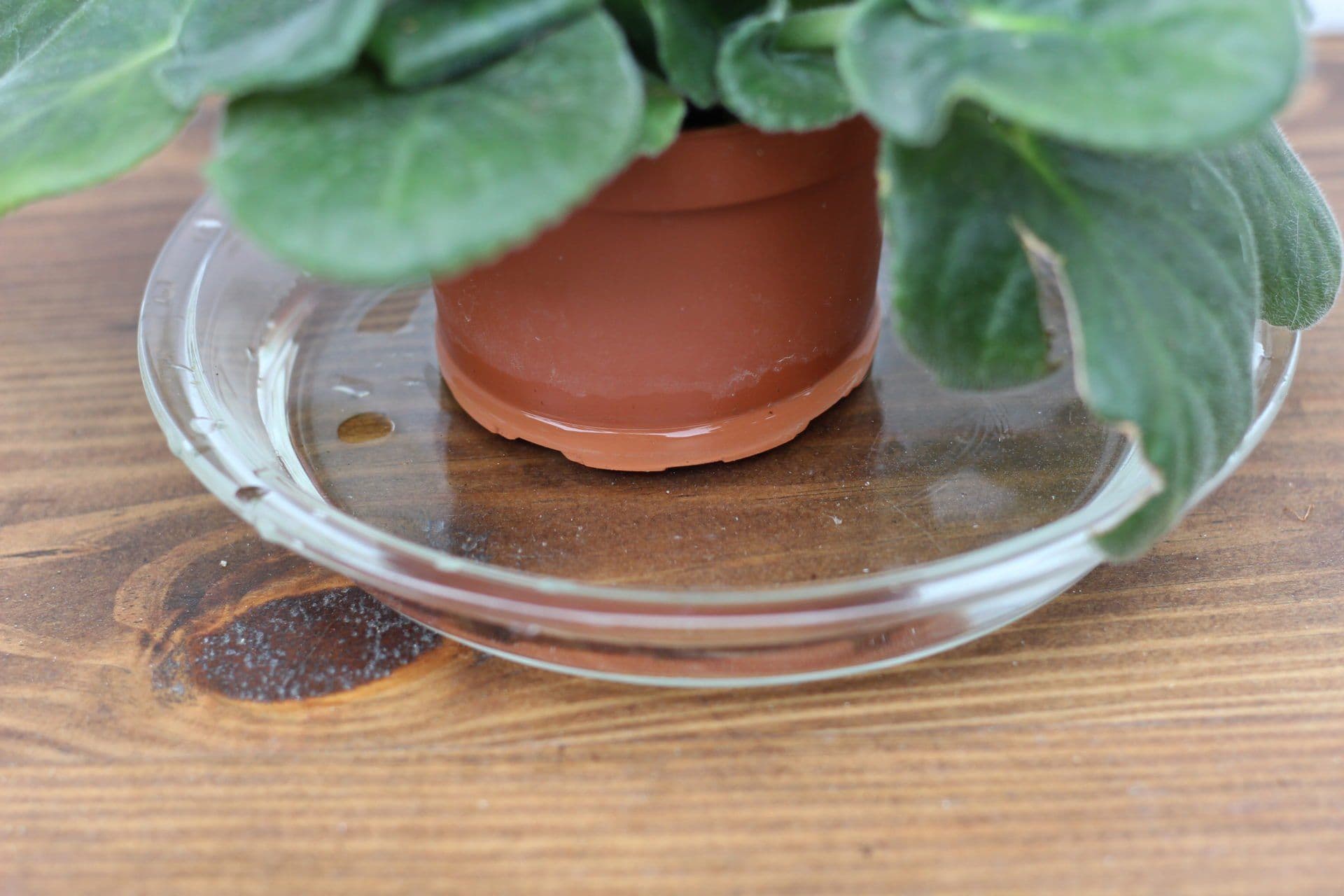
Bottom watering helps soil absorb moisture evenly and keeps foliage dry, reducing the risk of missed dry spots or root problems. Place the pot in a tray of water for a short time, then let it drain well.

Plant Care
How to Bottom Water Plants: Complete Guide
12 Best Plants for Bathroom That Thrive in Humid Conditions

9 min read · 29 Sept 2026

12 Best Plants for Bathroom That Thrive in Humid Conditions

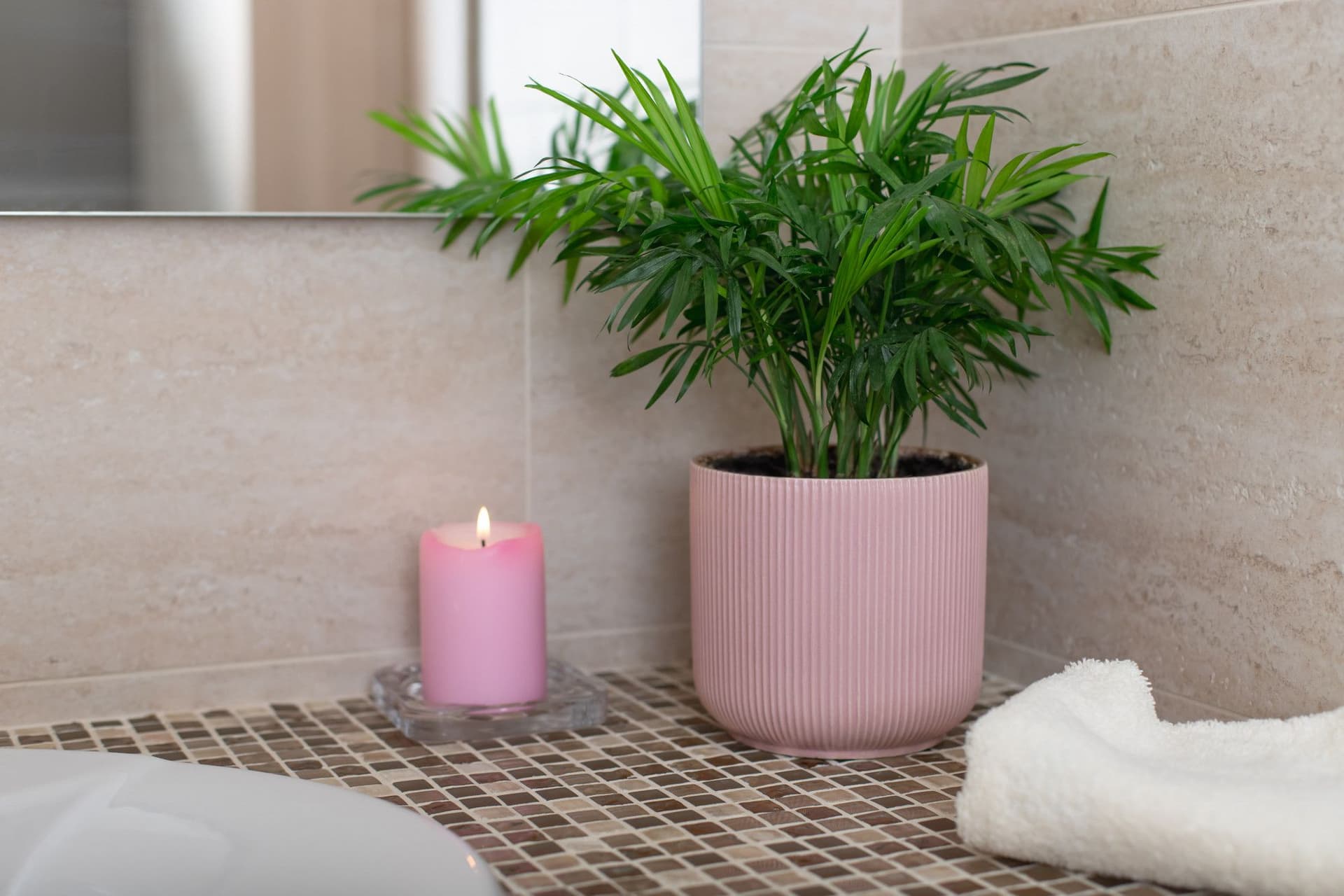
Discover the 12 best plants for bathroom spaces. Each pick comes with its own advantages, plus light, humidity, watering, and placement tips. Take a look and match the plant to your specific bathroom.

Plant Recommendations
12 Best Plants for Bathroom That Thrive in Humid Conditions
20 Funny Plant Names That Make You Laugh

8 min read · 16 Oct 2026

20 Funny Plant Names That Make You Laugh

Some plants carry names that sound like jokes. This guide explains the origins of 20 funny plant names. You will also see which of these plants you can grow at home.

Plant Recommendations
20 Funny Plant Names That Make You Laugh