monarch redstem Care (Ammannia baccifera)

Also known as: Blistering Ammania
monarch redstem

About monarch redstem

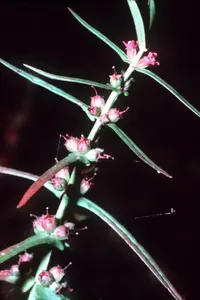
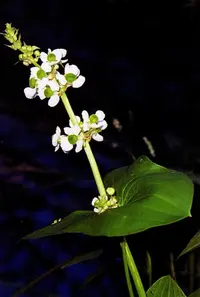
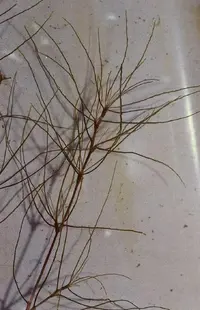
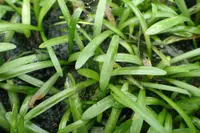
Monarch redstem (Ammannia baccifera) is a semi-aquatic herb often grown in aquariums and wet garden edges. It has upright, slender stems with narrow, reddish to green leaves that color more strongly under good light.

In nature it occurs in warm, marshy areas, rice fields, and slow-moving waters across parts of Asia, Africa, and Australia. It grows relatively fast but needs stable moisture and nutrition, so it is not the easiest beginner plant.

This species prefers bright light, consistently wet or submerged conditions, and nutrient-rich substrate. Understanding how to care for monarch redstem mainly comes down to providing enough light and avoiding large swings in water quality.

Main Plant Requirements

Care Difficulty

Hard Care

Light Preference

Full Sun

Water Requirements

Aquatic

Temperature Preference

Tropical / Frost Sensitive

Hardiness Zone

10–12

Soil Texture

Loamy, Silty, Organic-rich

Soil pH

Acidic (5.5–6.5), Slightly acidic (6.5–7.0)

Soil Drainage

Waterlogged tolerant

Fertilization

Heavy (weekly, diluted)

Get Personalized Care Plan

Scan your plant to receive care tips personalized for your specific plant

Available on iOS and Android

How to Care for the monarch redstem

This aquatic species needs strong light to develop compact, colorful growth.

  • Provide 8–10 hours of bright light daily; in outdoor ponds or tubs, aim for full sun to very bright partial sun with only light midday shade in hot climates.
  • Monarch redstem tolerates brief partial shade, but stems stretch and colors fade if light drops below about 6 hours of strong light.
  • In summer, protect from extreme afternoon scorch with some overhead screening; in low-light seasons, extend artificial lighting rather than moving plants constantly.

This wetland plant is adapted to saturated conditions rather than intermittently dry soil.

  • Maintain waterlogged substrate or shallow standing water; the surface should not dry out, unlike typical houseplants where the top 2–5 cm are allowed to dry between waterings.
  • In emergent or marginal setups, keep water level steady and avoid rapid fluctuations that expose roots to air for long periods.
  • Soft, drooping stems and dull leaves indicate underwatering or receding water level, while rotting stems, foul odor, and cloudy water signal poor drainage and stagnation.

This species prefers warm, stable conditions typical of tropical and subtropical climates.

  • Aim for 72–82°F (22–28°C) for strongest growth; outside this band, development slows and coloration may be weaker.
  • Avoid letting temperatures fall below 60°F (16°C); Ammannia baccifera is not frost hardy and can be severely damaged by brief exposure near 40°F (4°C).
  • The plant tolerates short warm spells up to about 90°F (32°C) if water is well oxygenated, but sustained heat or sudden swings between day and night increase stress and disease risk.

This semi-aquatic species prefers high humidity to keep foliage healthy and prevent leaf desiccation.

  • Aim for 70–90% humidity around monarch redstem, especially when grown emergent rather than fully submerged.
  • It tolerates brief dips to 50–60% but prolonged dry air causes curled, crispy leaf edges and slowed growth.
  • Increase humidity with open water trays near the plant, dense grouping of aquatic pots, or a covered but ventilated tank setup.

This species thrives in saturated, fine-textured substrates that stay wet yet allow some pore space for roots.

  • Use a heavy loam or clay-rich aquatic substrate with added fine sand to keep stems anchored and reduce floating.
  • Maintain consistently waterlogged conditions, ideally under shallow water, rather than alternating between wet and dry.
  • A slightly acidic to neutral pH of 6.0–7.0 supports nutrient uptake and stable Ammannia baccifera growth.
  • Avoid coarse, fast-draining mixes with large bark pieces or excessive perlite, which let water escape and destabilize rooted stems.

This aquatic species is suitable for container growing in ponds, tubs, or aquaria when the container is stable and able to hold saturated substrate.

  • Choose a wide, shallow container so stems can form a dense stand without tipping when emergent growth becomes tall.
  • Use a heavy substrate layer so the container weight counterbalances buoyancy and prevents the pot from floating or shifting.
  • Select sturdy plastic or ceramic containers that do not flex, so saturated soil and water pressure do not distort the sides or disturb roots.

This aquatic species benefits from moderate, consistent nutrition during active growth for compact, colorful stems.

  • Use a balanced liquid NPK fertilizer formulated for aquatic plants, diluted to 1/4–1/2 strength.
  • Dose 1–2 times per week during the main growing season when light and CO2 are adequate.
  • Reduce feeding to 1–2 times per month in winter or low-light periods to prevent algae issues.
  • For caring for monarch redstem in nutrient-poor substrates, supplement with root tabs or a thin layer of mineral-rich substrate.

Pruning supports dense, bushy growth and maintains good light penetration through Ammannia baccifera stands.

  • Trim during active growth, usually spring through early fall, avoiding heavy cutting in low-light winter periods.
  • Remove dead, damaged, or algae-covered stems with sharp aquascaping scissors to reduce decay and disease risk.
  • Cut back tall or crowded stems just above a node to encourage branching and a fuller mid- to foreground mass.
  • Replant healthy stem tops after trimming to renew older groups and keep the planting uniform in height.

This stem aquatic plant is usually grown rooted in substrate or bunches rather than in traditional pots.

  • Transplant when stems become crowded, lower leaves shade out, or growth slows despite good light and nutrients.
  • Best timing is during strong growth in spring or summer so roots and new shoots establish quickly.
  • In aquariums, replant trimmed stem tops in fresh substrate every 3–6 months to refresh overgrown groups.
  • Gently loosen roots, handle stems by the lower portion, and avoid exposing them to air for long periods to reduce stress.

Propagation of Ammannia baccifera is straightforward through stem cuttings under stable aquarium conditions.

  • Take 8–12 cm stem cuttings in spring or summer from healthy, well-lit tops.
  • Cut just below a node, remove lower leaves, and insert the bare section into fine-grained substrate.
  • Provide strong light, stable CO2, and balanced nutrients to support rooting and new side shoots.
  • Seeds are seldom used; most aquarists renew stands by replanting vigorous trimmed tops.

This tropical aquatic species is frost-sensitive and must be kept warm and submerged year-round in temperate climates.

  • Maintain water temperature around 72–82°F in winter using an aquarium heater if room temperatures drop.
  • For outdoor tubs, move plants indoors to an aquarium or heated greenhouse before night temperatures fall below 55°F.
  • Ensure stable light intensity with 8–10 hours of artificial lighting to prevent weak, leggy growth in short days.

Care Tips

Substrate depth planning

Provide at least 5–8 cm of fine-grained, nutrient-rich aquarium substrate so the root system can anchor firmly and support tall, upright stems without floating or toppling.

Staggered stem trimming

When reshaping the group, trim only 20–30% of the tallest stems at a time and replant the healthy tops in the substrate to maintain continuous density and avoid sudden stress to the colony.

CO₂ and flow balance

Use a gentle but steady water current to move CO₂-enriched water past the stems, avoiding strong jets directly at the plant so leaves are supplied with carbon dioxide without being battered or uprooted.

Iron and micronutrient focus

Monitor new growth color and, if tips become pale or washed out, slightly increase iron and trace-element dosing rather than just adding more macronutrients, which helps maintain compact, richly colored foliage when growing monarch redstem.

Algae prevention through spacing

Plant stems with a small gap between them instead of a tight bunch so light and water can circulate, which reduces stagnant zones where algae and detritus tend to accumulate on lower leaves.

Common Pests and Diseases

Algal film

Symptoms include green, brown, or reddish slimy coatings on stems, older leaves, and hardscape, often shading lower parts of the plant. This condition thrives in nutrient-rich, slow-moving water with high light.

Solution

Reduce organic waste and excess dissolved nutrients by lowering fish load, improving filtration, and performing regular 20–30% water changes. Increase water movement, gently wipe affected leaves and surfaces, and balance lighting duration and intensity to favor healthy Ammannia baccifera growth over algae.

Filamentous algae

This pest forms fine hairlike or threadlike strands that tangle around stems and leaf whorls, restricting light and water flow. This issue is common in high-light aquariums with imbalanced nutrients or unstable CO2 levels.

Solution

Manually remove as many strands as possible using fingers or a soft brush, then stabilize CO2 and adjust fertilization so nitrate, phosphate, and micronutrients are not strongly out of balance. Shorten the photoperiod to about 6–8 hours, limit sudden light intensity changes, and maintain consistent water parameters to favor healthy plant growth.

Snail grazing

These insects are not involved; instead small freshwater snails chew on soft new leaves and tender shoot tips, leaving ragged edges or transparent patches. Damage is usually cosmetic but can slow vertical growth and cause distorted new stems.

Solution

Physically remove excess snails, reduce overfeeding of fish to limit snail reproduction, and inspect new plants before introduction. If needed, use targeted snail traps or, in suitable community tanks, introduce natural snail predators while monitoring that they are compatible with existing livestock and Ammannia baccifera care requirements.

Stem melt

This disease presents as sudden softening, browning, and disintegration of lower stems, often after planting or after a change in water chemistry. Symptoms include leaves dropping from the lower nodes while tops remain weak or detach and float.

Solution

Trim and discard all mushy or brown tissue, then replant only firm, green stem tops with healthy nodes. Stabilize temperature, hardness, and pH, avoid large sudden parameter shifts or deep substrate burial, and ensure adequate but not extreme light so new submerged growth can replace the damaged emersed tissue.

Nutrient deficiency chlorosis

Symptoms include pale or yellowing newer leaves with weak red coloration, stunted internodes, and thin stems, especially under strong light. This condition usually reflects low iron or imbalanced macro- and micronutrients in the water column or substrate.

Solution

Increase or correct fertilization with a complete aquatic plant fertilizer that supplies iron, potassium, and trace elements, and keep nitrate and phosphate in moderate, stable ranges. Monitor plant response over 1–2 weeks, trimming weak growth so new, well-fed shoots can develop stronger color and structure.

Interesting Facts

Widespread wetland annual

This species is an annual herb that grows in seasonal wetlands, rice paddies, and muddy margins of ponds and rivers across tropical Africa and Asia, often appearing only when soils are saturated or temporarily flooded.

Color change in emersed growth

When growing emersed (with stems and leaves above water), the plant can develop reddish to purplish tinges on its stems and leaves, especially under strong light, while fully submerged growth tends to stay greener.

Tiny but prolific flowers

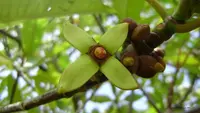
The plant bears very small, inconspicuous purple to pinkish flowers in clusters along the leaf axils, which produce many tiny seeds that enable rapid colonization of disturbed, wet soils.
Botan icon

Did you know?

In parts of South and Southeast Asia, this species often behaves as a minor weed in flooded rice fields, yet it is also deliberately collected in some regions as a potherb and for traditional uses, showing how the same plant can be treated both as a nuisance and a useful resource depending on local practices.

FAQs about monarch redstem

Growth is fairly rapid in warm, nutrient-rich, consistently moist conditions. In aquatic or boggy setups, stems can extend several centimeters per week. Cooler water, low nutrients, or unstable conditions slow growth noticeably compared with ideal culture.

Grow Healthy Plants with Botan Care

Keep your plants happy and healthy with plant identification, disease detection, and easy care guidance.

Botan plant care app — identify plants on mobile

Explore More Plants