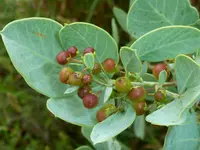
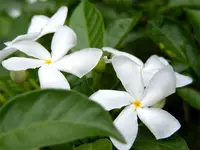
swamp azalea Care (Rhododendron viscosum)

swamp azalea

About swamp azalea

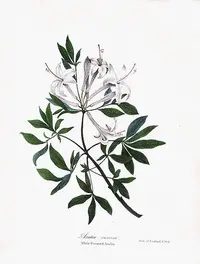
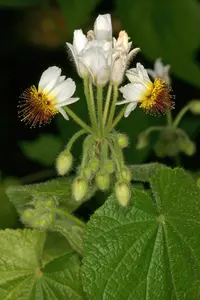
Swamp azalea, Rhododendron viscosum, is a deciduous shrub known for its fragrant, tubular white to pale pink flowers and upright, airy growth habit. It typically forms loose, multi-stemmed clumps with green leaves that may show red or bronze tints in autumn.

This species is native to moist lowlands, bogs, and stream edges in eastern North America, so it naturally favors damp, acidic soils. It prefers cool roots, consistent moisture, and protection from harsh midday sun, which guides how to care for swamp azalea.

The plant is moderately demanding, as it dislikes drought, waterlogging, and heavy, alkaline soil. In suitable conditions, it is long-lived and relatively resistant to common garden pests.

Main Plant Requirements

Care Difficulty

Moderate Care

Light Preference

Partial Shade

Water Requirements

Keep Soil Moist

Temperature Preference

Cold Hardy

Hardiness Zone

4–8

Soil Texture

Sandy, Loamy, Organic-rich

Soil pH

Strongly acidic (4.5–5.5), Acidic (5.5–6.5)

Soil Drainage

Moist but well-drained

Fertilization

Minimal (feed rarely)

Get Personalized Care Plan

Scan your plant to receive care tips personalized for your specific plant

Available on iOS and Android

How to Care for the swamp azalea

Rhododendron viscosum prefers bright, gentle light that mimics woodland edge conditions.

  • Provide 3–5 hours of morning sun with light afternoon shade; dappled light under high, open trees suits swamp azalea well.
  • Avoid intense midday and late-afternoon sun, which can scorch leaves, fade flowers, and dry shallow roots too quickly.
  • In hotter summers, shift exposure toward more filtered shade; in cooler climates, allow a bit more direct morning sun to support flowering.

This species needs consistently moist, yet aerated soil, reflecting its native wetland habitats.

  • Water when the top 2–3 cm of soil feels slightly dry, aiming for evenly damp soil rather than saturated conditions.
  • Use acidic, organic-rich soil that drains slowly but does not stay waterlogged; pooling water or a sour smell suggests poor drainage.
  • In hot, dry weather, increase watering and monitor for wilting or curling leaves, while yellowing, soft foliage can indicate overwatering stress.

This shrub is quite cold hardy but grows best within moderate temperature ranges.

  • Active growth and flowering are strongest around 60–75°F (16–24°C), especially in spring and early summer.
  • Established plants tolerate winter lows near -20°F (-29°C), but young shrubs benefit from mulch to buffer root-zone freezing.
  • During summer heat above 85°F (29°C), provide extra shade and soil moisture; prolonged extreme heat or thaw–freeze cycles can stress buds and roots.

This shrub prefers consistently moist air but adapts if soil moisture is well managed.

  • Aim for 50–70% humidity, especially during active growth and flowering.
  • In very dry air, leaves may curl, brown at the edges, or buds may fail to open fully.
  • Increase humidity outdoors by mulching around the root zone and grouping plants near other shrubs or a water feature.

This species needs consistently moist, acidic, well-drained soil with high organic content.

  • Use a loose, humus-rich mix such as 2 parts pine bark fines, 1 part peat or coco coir, and 1 part perlite or coarse sand.
  • Target a pH of 4.5–5.5, as Rhododendron viscosum struggles in neutral or alkaline soils where nutrients become unavailable.
  • Ensure sharp drainage so water moves through quickly but the mix stays evenly damp, not waterlogged or bone-dry.
  • Avoid heavy clay, compacted ground, or mixes with large amounts of lime, which restrict root aeration and raise pH.

This species is suitable for container growing in cool to mild climates when moisture and drainage are controlled carefully.

  • Choose a deep, wide container that allows the shallow, fibrous roots to spread laterally while holding a stable volume of moisture.
  • Use a sturdy, weighty pot material if the shrub becomes top-heavy so wind or uneven watering does not tip the container.
  • Raise the pot on feet or bricks so drainage holes stay clear and excess water can exit quickly after heavy rain.

Rhododendron viscosum benefits from light, targeted feeding in acidic, low-nutrient soils.

  • Apply an acid-forming, slow-release fertilizer or compost once in early spring as new growth begins.
  • Use a low to moderate balanced NPK (for example 10-8-6) at 1/2 strength to avoid root burn.
  • Water well before and after feeding to move nutrients into the root zone and prevent salt buildup.
  • Stop fertilizing swamp azalea by late summer and do not feed in fall or winter, when growth is dormant.

Pruning Rhododendron viscosum is mainly about light cleanup to maintain structure and flowering.

  • Time pruning for right after flowering so next year’s flower buds are not removed.
  • Cut out dead, diseased, or crossing stems with sharp, clean bypass pruners at their base or to a healthy side shoot.
  • Thin crowded interior branches to improve air flow and light penetration, which supports healthier growth.
  • Shorten overly long shoots slightly to refine shape, avoiding heavy cuts into old, bare wood.

This species is most often grown in the ground, so care focuses on careful transplanting rather than frequent repotting.

  • Transplant in early spring or early fall, when weather is cool and soil moisture is steady.
  • Look for signs such as slow growth, poor flowering, or roots circling a container before moving a plant.
  • Lift with a wide root ball, keep roots shaded and moist, and replant at the same soil depth in acidic, well-drained soil.
  • Water deeply after planting, mulch 5–7 cm around the root zone, and keep soil evenly moist to reduce transplant shock.

Rhododendron viscosum is commonly propagated by semi-ripe cuttings or simple layering for home growers.

  • Take semi-ripe cuttings in mid to late summer, 7–10 cm long, from non-flowering shoots.
  • Remove lower leaves, dip the cut end in rooting hormone, and insert into a moist, acidic, free-draining mix under high humidity.
  • For layering, bend a flexible low stem to the ground, wound slightly, pin it into acidic soil, and cover with mulch.
  • Seeds can be sown on the surface of sterile, acidic mix in spring, kept bright, cool, and evenly moist for slow germination.

Mature Rhododendron viscosum is cold hardy in much of its range but benefits from basic winter preparation.

  • Apply 5–8 cm of mulch over the root zone in late fall, keeping it slightly away from the stems.
  • Water thoroughly before the ground freezes so roots enter winter well hydrated.
  • Shelter container plants in an unheated garage or cold frame, or heel pots into the ground and mulch heavily.

Care Tips

Mulch For Roots

Maintain a 5–8 cm layer of pine bark or pine needle mulch over the root zone to keep the shallow roots cool, conserve moisture, and gradually maintain soil acidity.

Seasonal Bud Protection

In late fall, apply a breathable frost cloth over young plants during sudden cold snaps to protect flower buds from freeze damage and improve next season’s bloom quality.

Targeted Pest Monitoring

Inspect the undersides of leaves and new shoots every 2–3 weeks in spring and early summer for lace bugs or spider mites, and treat early with a strong water spray or appropriate insecticidal soap if populations are just beginning to build.

Gentle Site Shaping

Encourage a balanced, airy framework by lightly thinning crowded interior twigs right after flowering, which improves airflow, reduces fungal risk, and helps the shrub maintain a natural, open shape.

Moisture Zoning

When growing swamp azalea in mixed borders, group it with other moisture-loving, acid-tolerant species and dedicate a separate irrigation zone so its consistently moist needs are met without overwatering nearby drought-tolerant plants.

Common Pests and Diseases

Azalea lace bug

This pest feeds on the undersides of leaves, causing pale stippling, yellowing, and a faded, bronzed look, often most obvious on sun-exposed plants. Symptoms include dark, varnish-like spots of excrement on leaf undersides.

Solution

Check leaf undersides regularly and hose them off with a strong stream of water to knock down nymphs and adults. For persistent infestations, apply a horticultural oil or insecticidal soap thoroughly to the undersides of leaves, and reduce stress by keeping soil evenly moist and avoiding full, reflected sun, which makes lace bug damage worse.

Azalea bark scale

This pest appears as white, cottony clusters in branch crotches and on stems, leading to sooty mold and declining vigor. Symptoms include sticky honeydew on leaves and nearby surfaces.

Solution

Prune out and discard heavily infested twigs, then gently scrub remaining colonies with a soft brush or cloth dipped in soapy water. Follow with a horticultural oil spray during the dormant season or early spring to smother remaining scales, and keep the plant healthy with proper watering and mulching to improve its ability to tolerate some damage.

Phytophthora dieback

This disease causes wilting, sudden shoot death, and dark, discolored areas on stems or at the crown, often following periods of waterlogged soil. Symptoms include progressive dieback from the tips inward and poor new growth.

Solution

Remove and destroy affected branches back to healthy tissue, and never compost infected material. Improve drainage, avoid overwatering and standing water around the root zone, raise planting beds if soil is heavy, and consider using a fungicide labeled for Phytophthora as a preventative on nearby plants in high-risk, poorly drained sites.

Petal blight

This disease affects flowers, causing small water-soaked spots that quickly expand into brown, mushy patches until the whole bloom collapses. Symptoms include scattered, spotted petals that may cling to the plant and spread spores to new flowers.

Solution

Pick and discard all affected blooms as soon as spotting appears and clean up every fallen flower from the ground. Avoid overhead watering during bloom, improve air circulation with light thinning, and in high-pressure areas consider a preventive fungicide spray at bud color and early bloom according to label directions.

Leaf gall

This disease produces thickened, fleshy, pale or pinkish galls on young leaves and flower buds in spring. Symptoms include distorted new growth that later turns white with spores and then brown and dry.

Solution

Hand-pick and destroy galls as soon as they are seen, before they turn white and release spores. Rake and remove fallen infected material, avoid overhead irrigation that keeps foliage wet for long periods, and place plants where air can move freely through the branches to reduce future infections while supporting healthy growing swamp azalea conditions.

Interesting Facts

Native wetland specialist

This species is naturally found in acidic bogs, swamps, and wet woods in eastern North America, where its roots tolerate periodic flooding that would kill many other shrubs.

Evening fragrance peak

Its white to pale pink flowers release a strong, sweet, clove-like scent that intensifies in the evening, which helps attract night-active pollinators such as moths.

Sticky floral tubes

The flowers have noticeably sticky inner tubes, a trait that gives the species its name viscosum and may help ensure pollen contacts visiting insects more effectively.

Botan icon

Did you know?

This deciduous azalea often flowers after its leaves have fully expanded and can extend the azalea flowering season into early summer in many eastern U.S. habitats, providing an important nectar source when spring-blooming rhododendrons are already finished.

FAQs about swamp azalea

Lack of flowers usually comes from too little light, pruning at the wrong time, or nutrient imbalance. Heavy shade, high-nitrogen fertilizer, or hard pruning after bud set remove flower buds and reduce next season’s display.

Grow Healthy Plants with Botan Care

Keep your plants happy and healthy with plant identification, disease detection, and easy care guidance.

Botan plant care app — identify plants on mobile

Explore More Plants