Wind acclimation
If planting in a windy site, grow young plants in a sheltered location for 1–2 years, then gradually expose them to more wind so the trunk and root system can strengthen without snapping or rocking loose in storms.

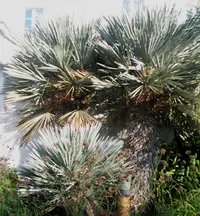
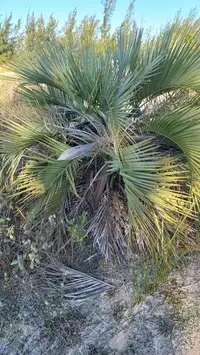
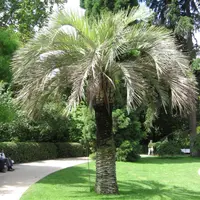
The caranday palm, Trithrinax campestris, is a compact, slow-growing fan palm from dry regions of Argentina, Uruguay, and southern Brazil. It naturally forms tight clumps of stiff, blue-green leaves on spiny trunks.
This palm is valued for its strong cold tolerance and ability to handle wind and sun, which makes it attractive for challenging outdoor sites. Growth is slow, so it suits smaller landscapes where size control matters.
In cultivation it prefers full sun, well-drained soil, and moderate watering with time to dry between soakings. Understanding these conditions is the key to how to care for caranday palm.

Care Difficulty
Moderate Care

Light Preference
Full Sun

Water Requirements
Low Water

Temperature Preference
Cold Hardy

Hardiness Zone
8–10

Soil Texture
Sandy, Loamy, Rocky

Soil pH
Slightly acidic (6.5–7.0), Slightly alkaline (7.0–7.5)

Soil Drainage
Well-drained

Fertilization
Minimal (feed rarely)
Scan your plant to receive care tips personalized for your specific plant
Available on iOS and Android
This palm prefers bright, open sites with strong sun for compact, healthy growth.
This drought-tolerant palm prefers infrequent, deep watering in freely draining soil.
This species is notably cold hardy yet also copes with summer heat when established.
This species is highly tolerant of dry air, so humidity rarely limits performance.
Trithrinax campestris prefers lean, fast‑draining, mineral soils that never stay wet for long.
This palm can adapt well to container growing when given a stable, heavy, and very free‑draining setup.
This palm grows slowly and needs only modest feeding to stay healthy in most soils.
Pruning for Trithrinax campestris focuses on safety and cleanliness rather than reshaping the plant.
This deeply rooted, slow palm is best transplanted infrequently and only when clearly necessary.
Raising this species is usually done from seed and is considered slow and specialized.
This palm is notably cold hardy for a feather palm but still benefits from some winter management in harsh climates.

Plant Health Check
Not sure what's wrong with your plant? Check your plant's health inside the app.
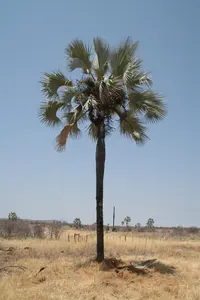
This palm forms very stiff, blue-grey, fan-shaped leaves with a thick waxy coating that reduces water loss and reflects intense sunlight in its native dry grasslands of central South America.
Unlike most subtropical palms, it can survive short periods of hard frost well below freezing, which has made it one of the few South American palms successfully grown in cool-temperate regions.
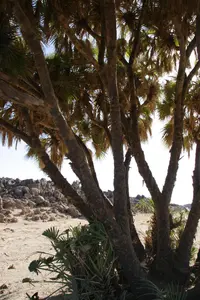
Mature plants often develop several stout trunks covered in strong, backward-curving spines that protect the growing points from grazing animals in open savanna habitats.

In its native range in Argentina, this palm often forms scattered, open groves in grasslands and rocky soils, where its deep root system stabilizes the soil and provides structural habitat for birds and small animals in otherwise exposed landscapes.
Brown tips usually result from low humidity, salt buildup from fertilizer, or chronic underwatering. Flush the soil occasionally, water deeply but less often, and protect it from hot, dry winds to reduce further browning.
Keep your plants happy and healthy with plant identification, disease detection, and easy care guidance.