Butia catarinensis Care

Butia catarinensis

About Butia catarinensis

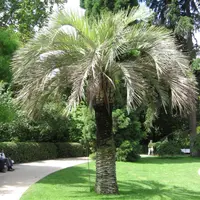
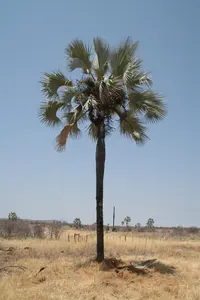
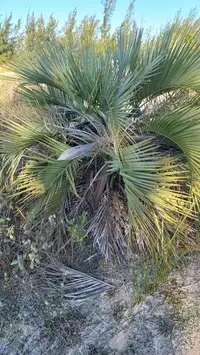
Butia catarinensis is a small to medium-sized feather palm native to coastal regions of southern Brazil. It typically forms a single stout trunk with gracefully arching, bluish-green fronds. The crown is compact, which makes it suitable for smaller gardens and some large container plantings in mild climates.

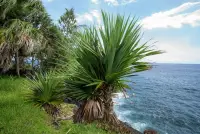
This species is adapted to sandy, well-drained soils and windy, coastal exposures, showing good tolerance to salt and drought once established. It grows slowly but is generally robust when given full sun and not overwatered. These traits make it relatively straightforward to care for Butia catarinensis in suitable outdoor conditions.

Main Plant Requirements

Care Difficulty

Moderate Care

Light Preference

Full Sun

Water Requirements

Low Water

Temperature Preference

Warm Climate

Hardiness Zone

9–11

Soil Texture

Sandy, Loamy, Rocky

Soil pH

Slightly acidic (6.5–7.0), Neutral (7.0)

Soil Drainage

Well-drained

Fertilization

Minimal (feed rarely)

Get Personalized Care Plan

Scan your plant to receive care tips personalized for your specific plant

Available on iOS and Android

How to Care for the Butia catarinensis

This coastal palm prefers bright, open conditions with several hours of direct sun daily.

  • Provide 4–8 hours of direct sun, ideally morning to early afternoon, with free exposure in cooler coastal or temperate climates.
  • In hot inland areas, give Butia catarinensis full sun until midday, then light afternoon shade to limit leaf scorch and bleaching.
  • Young or newly transplanted palms benefit from 2–3 months of filtered light or shade cloth, especially in summer, before transitioning to stronger sun.

This palm is drought tolerant once established but grows best with measured, infrequent watering.

  • Water when the top 5–7 cm of soil are dry; deep soak the root zone, then allow the soil to drain fully and dry again.
  • In hot, dry seasons, expect to water every 7–14 days; in cool or rainy periods, reduce or skip watering to avoid waterlogged soil.
  • Use well-drained, sandy or gravelly soil; yellowing, soft fronds suggest overwatering, while crispy, browning tips and folding fronds suggest underwatering.

This species handles a wide temperature range but performs best in warm, temperate climates.

  • Active growth is best around 65–85°F (18–29°C); extended periods above 95°F (35°C) may slow growth if soil stays dry.
  • Mature plants can tolerate brief drops to about 15–20°F (-9 to -6°C) with some leaf damage, but younger palms are less cold hardy.
  • In regions with winter lows below 20°F (-6°C), protect the crown with mulch or frost cloth and avoid cold, wet soils that increase rot risk.

This palm tolerates a wide humidity range and rarely needs special humidity management outdoors.

This palm prefers sharply drained, sandy to loamy soil that stays aerated and never waterlogged.

  • Use a mix of roughly 50–70% coarse sand or grit with the remainder loam and a small amount of compost for nutrients.
  • Ensure very fast drainage; raised beds or mounded planting help prevent standing water around the root zone.
  • Aim for slightly acidic to neutral pH, around 6.0–7.5, avoiding highly alkaline or saline conditions.
  • Improve aeration by incorporating coarse materials like pumice or fine gravel rather than peat-heavy mixes, which compact over time.

This species is suitable for large, outdoor containers if provided with ample root space and strong drainage.

  • Choose a deep, heavy pot that resists tipping as the palm gains height and canopy mass.
  • Select a breathable material such as unglazed clay if the climate is humid, to help excess moisture escape from the root zone.
  • Elevate the container on pot feet so drainage holes remain unobstructed and water clears quickly after heavy rain or irrigation.

This slow-growing palm needs modest feeding to support steady growth in containers or poor soils.

  • Use a slow-release palm-specific or balanced NPK fertilizer with added micronutrients at the start of spring.
  • Feed Butia catarinensis every 2–3 months during the warm growing season only.
  • Apply at 50–75% of the label rate, especially for container plants, to limit salt buildup.
  • Skip feeding in late fall and winter when growth slows, except for very mild climates with active growth.

Pruning is mainly cosmetic and health-focused, not a way to control size in this palm.

  • Best time for light pruning of Butia catarinensis is late winter to early spring before strong new growth.
  • Remove only dead, brown, or badly damaged fronds, cutting close to the trunk without nicking live tissue.
  • Avoid removing green fronds, as this reduces photosynthesis and can weaken the palm.
  • Use clean, sharp loppers or a pruning saw, disinfected between plants to limit disease spread.

This species is usually grown in the ground and resents frequent disturbance, so plan transplants carefully.

  • Transplant or up-pot in late spring when soil is warming and recovery is fastest.
  • Look for roots circling the pot, pushing through drainage holes, or very slow growth as signs that a container-grown Butia catarinensis needs a larger pot.
  • Move up only 1–2 pot sizes, keeping the root ball intact and at the same soil depth as before.
  • Water thoroughly after planting, then keep soil evenly moist but not saturated for several weeks to reduce transplant stress.

Propagation is almost always done from seed and is slow, suiting patient growers and nursery production.

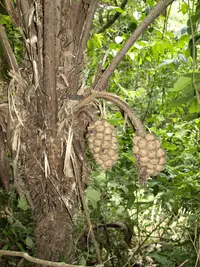
  • Collect fully ripe fruits, clean off the pulp, and dry seeds briefly before sowing.
  • Sow in late spring or early summer with bottom heat around 77–86°F and bright, indirect light.
  • Use a very well-drained, sandy mix and keep it just moist to prevent rotting.
  • Expect long, uneven germination; some seeds may sprout in a few months, others after a year or more.

This palm is relatively cold hardy but benefits from simple winter precautions in colder regions.

  • Mature plants tolerate light freezes, but prolonged drops below about 15–20°F can damage foliage and growing points.
  • Apply a 5–8 cm mulch layer around the root zone in late fall, keeping it off the trunk.
  • In harsher climates, loosely wrap the crown and emerging spear with breathable frost cloth during severe cold spells.
  • Move container-grown plants into a bright, cool, frost-free space before hard freezes and water sparingly.

Care Tips

Wind hardening

Position young plants in a moderately windy, open spot or use a fan for 1–2 hours a day to gradually strengthen the trunk and leaf bases, reducing the risk of wind snap once the palm is planted in an exposed site.

Cold acclimation

In climates with light frosts, slowly expose container-grown plants to cooler outdoor temperatures over 2–3 weeks in autumn so tissue adjusts and suffers less damage during sudden cold snaps.

Root establishment zone

For the first 2–3 years, maintain a wide, weed‑free mulch ring at least 60–90 cm around the trunk to keep the shallow, spreading roots competitive and reduce stress from turfgrass or groundcovers.

Trunk base management

When old leaf bases loosen naturally, remove only those that come away with a gentle tug to improve airflow around the crown and reduce hiding places for pests without wounding living tissue.

Salt and spray tolerance

In coastal sites, use slightly salty well water or occasional sea spray as acceptable but hose off foliage with fresh water after storms to prevent salt accumulation on leaf surfaces when growing Butia catarinensis.

Common Pests and Diseases

Palm weevils

This pest attacks the crown and internal tissues, often causing a sudden decline in vigor and collapse of the growing point. Symptoms include yellowing or wilting fronds, oozing sap, and sometimes a fermented odor from the trunk or crown.

Solution

Inspect the crown area regularly for holes, frass, or oozing sap and remove any soft, rotten tissue. In regions where palm weevils are present, use systemic insecticides labeled for palms as a preventative treatment on the crown and trunk, and promptly destroy heavily infested plants to prevent spread.

Scale insects

These insects attach to fronds and leaf stalks, sucking sap and weakening the palm over time. Symptoms include yellow spotting, sticky honeydew on leaves, and sooty mold growth on affected surfaces.

Solution

Prune and discard heavily infested fronds, then wash remaining foliage with water and a mild soap solution to remove scales and honeydew. For persistent infestations, apply a horticultural oil or systemic insecticide labeled for palms, ensuring full coverage of both sides of the fronds while avoiding application during very high temperatures.

Ganoderma butt rot

This disease affects the lower trunk and root flare, causing internal wood decay and gradual decline. Symptoms include thinning canopy, reduced new growth, and bracket-like conks (fruiting bodies) forming near the base of the trunk.

Solution

Remove and destroy infected palms including the stump, as there is no effective chemical cure for this disease. Avoid trunk wounds, improve drainage, and do not replant another palm in the exact same spot, since the fungus persists in soil and old root material.

Leaf spot fungi

This disease produces brown, tan, or gray spots on leaflets that may coalesce, giving fronds a scorched or patchy appearance. Symptoms include reduced ornamental quality and, in severe cases, premature leaf death on stressed plants.

Solution

Remove and discard affected fronds to reduce inoculum, and improve air circulation by avoiding overcrowding and overhead watering late in the day. In humid climates or severe outbreaks, apply a fungicide labeled for palm leaf spots according to label directions and maintain balanced fertilization to support healthy new growth.

Bud rot

This disease attacks the central growing point, often following cool, wet conditions or mechanical damage. Symptoms include soft, foul-smelling tissue in the crown, collapse of the spear leaf, and progressive dieback of surrounding fronds.

Solution

At the first sign of spear leaf collapse, carefully remove soft, rotting tissue from the crown and allow the area to dry, then apply a copper-based fungicide or other palm-labeled fungicide into the crown area. Improve drainage and avoid water collecting in the crown, and do not overhead irrigate directly into the growing point to reduce recurrence while growing Butia catarinensis in humid climates.

Interesting Facts

Coastal dune specialist

This species is naturally restricted to sandy coastal plains and dunes of southern Brazil, where it tolerates salty winds, moving sand, and very poor, well-drained soils better than many other palms in the genus.

Naturally compact stature

Compared with the closely related Butia odorata, this palm typically remains shorter with a smaller crown, which reflects its adaptation to exposed coastal habitats with frequent strong winds.

Glaucous blue foliage

The leaves often show a distinctive glaucous, bluish-green surface caused by a fine waxy coating that helps reduce water loss and protects the leaf tissue from high light and salt exposure.

Botan icon

Did you know?

Butia catarinensis was only recently separated taxonomically from the Butia odorata complex, and its recognition as a distinct species is based on a combination of subtle but consistent traits such as trunk size, crown form, and its narrow coastal distribution in the Brazilian states of Santa Catarina and Rio Grande do Sul.

FAQs about Butia catarinensis

This species grows slowly to moderately, adding roughly 10–30 cm of trunk height per year under good conditions. Growth is faster in warm climates with long summers, deep soil, and consistent moisture, slower in cool or windy sites.

Grow Healthy Plants with Botan Care

Keep your plants happy and healthy with plant identification, disease detection, and easy care guidance.

Botan plant care app — identify plants on mobile

Explore More Plants