Rose Identification
Snap & Recognize Any Rose In Seconds
Rose identification is instant with Botan. Recognize any species in 1-5 seconds and adjust your care routine.


Snap & Recognize Any Rose In Seconds
Rose identification is instant with Botan. Recognize any species in 1-5 seconds and adjust your care routine.
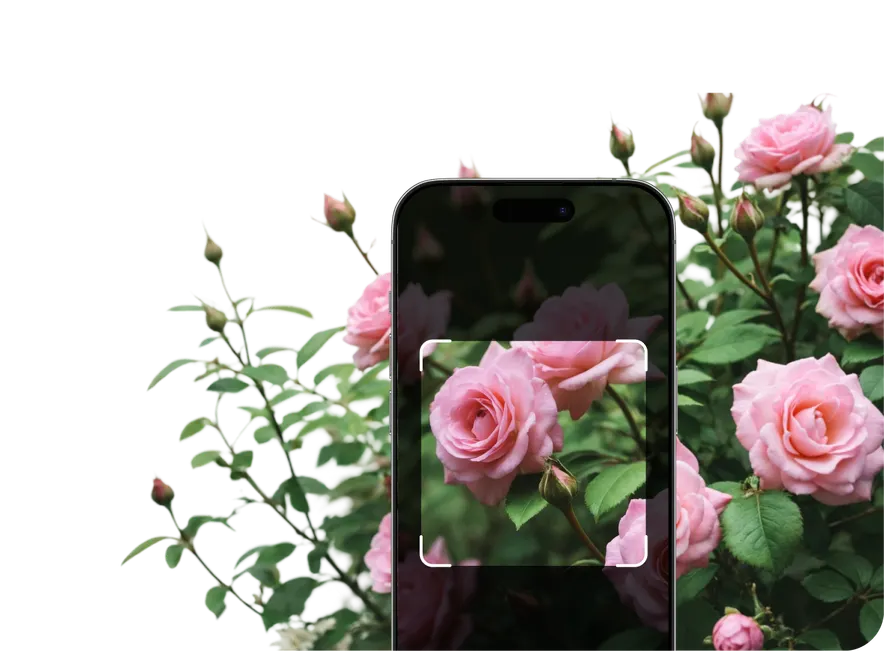


Plant Identifier Online for Free
Use easy-to-see images for the best plant ID results. Try not to take photos from very far away.
Beach Rose
Rosa rugosa

China rose
Rosa chinensis
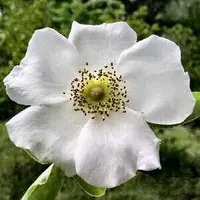
Cherokee rose
Rosa laevigata
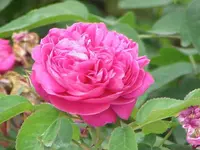
damask rose
Rosa × damascena
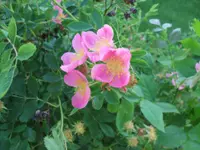
prairie rose
Rosa arkansana
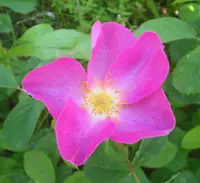
French rose
Rosa gallica
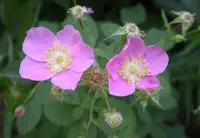
California wildrose
Rosa californica
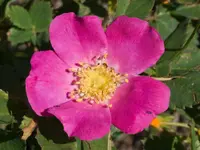
Woods' rose
Rosa woodsii
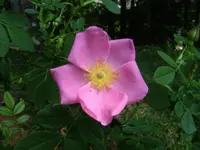
Virginia rose
Rosa virginiana
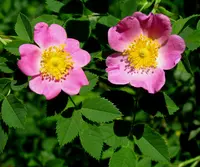
Carolina rose
Rosa carolina

swamp rose
Rosa palustris
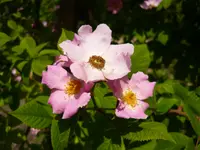
climbing rose
Rosa setigera
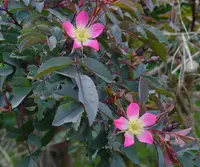
Red-leaved Rose
Rosa glauca
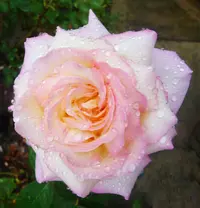
Hybrid Tea Rose
Rosa 'Peace'

Rose
Rosa 'Mister Lincoln'
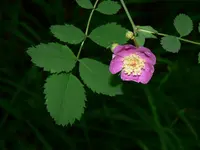
dwarf rose
Rosa gymnocarpa
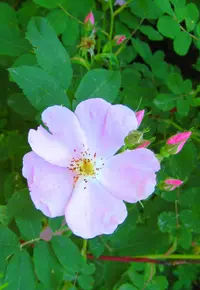
prickly rose
Rosa acicularis
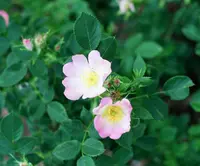
smooth rose
Rosa blanda
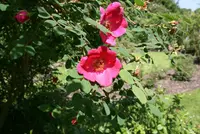
Rosa moyesii
Rosa moyesii
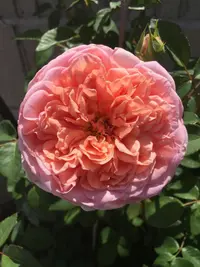
Rose
Rosa 'Abraham Darby'

Rose
Rosa 'Double Delight'
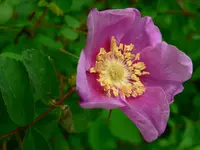
Nootka rose
Rosa nutkana
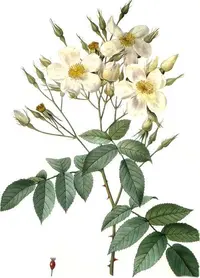
musk rose
Rosa moschata

evergreen rose
Rosa sempervirens
With our rose identifier, you can recognize a plant in just 4 steps:
The entire process takes seconds and is fully automatic. Once our rose identifier app knows the exact species, it will suggest a care plan.
You can also switch to the Diagnosis feature to evaluate the plant’s health, identify the issue, and get a step-by-step recovery action plan.
There are over 280 rose species and over 30,000 cultivars, making them some of the most hybridized flowers. Identifying them is not easy, but it’s possible.
You only need to focus on the most distinctive features instead of the flower’s overall color and shape:
The recognition process doesn’t stop there. We also recommend considering stipules, sepals, petals, and the plant’s fruit.
Alternatively, you can use a rose identifier online and get results instantly. You are most likely to get an accurate species-level ID if you follow some simple rules.
Tip | Why It Helps |
Frame both a flower and a mid-stem section with leaflets | That’s how you capture the features with the highest ID value (leaves, leaflets, stem, stipules, and prickles) |
Take a photo under natural but diffuse light | Direct sunlight can create hard shadows that hide essential information like leaf texture, serration, etc. |
Ensure a single plant is in focus | Other plants’ features can mislead the system and lead to an incorrect species ID |
Let autofocus lock before shooting | The less motion blur, the clearer the lines, the more accurate the ID |
Avoid using flash or zooming in digitally | Both can distort fine details necessary for accurate results |
You can tap the Information icon in the app to access these and other useful tips if you need a reminder.
The Botan detector provides 95+% accuracy, but mistakes can still happen. If you aren’t sure the result is correct, take another photo under good lighting and try to capture the most distinctive parts of the plant: its flower, stem, thorns, leaf-base wings, leaves, and leaflets.