Orchid Species Identification
Identify Your Orchid with a Single Tap
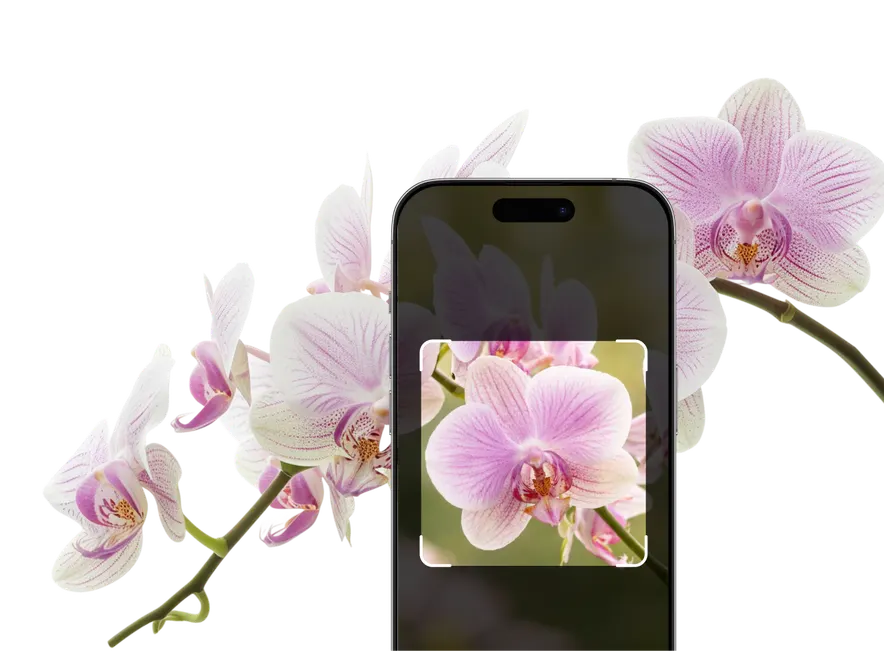
The Botan app makes orchid species identification simple. Take a photo and learn your orchid’s name and care requirements in seconds.


Identify Your Orchid with a Single Tap
The Botan app makes orchid species identification simple. Take a photo and learn your orchid’s name and care requirements in seconds.

Plant Identifier Online for Free
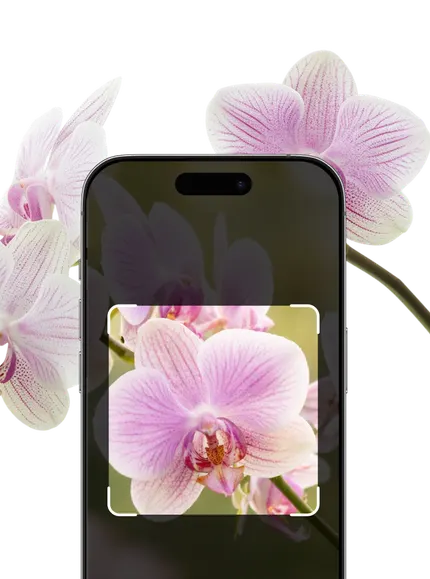
Use easy-to-see images for the best plant ID results. Try not to take photos from very far away.
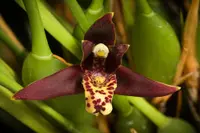 POPULAR
Coconut orchid
Maxillaria tenuifolia
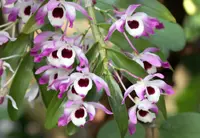 POPULAR
Noble Dendrobium
Dendrobium nobile
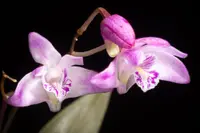 POPULAR
Pink Rock Orchid
Dendrobium kingianum
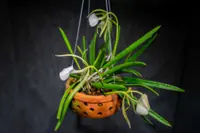 POPULAR
Lady of the Night Orchid
Brassavola nodosa
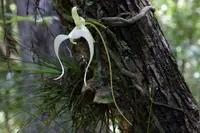 POPULAR
Ghost orchid
Dendrophylax lindenii
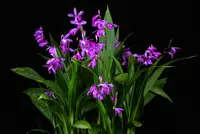 POPULAR
Chinese ground orchid
Bletilla striata
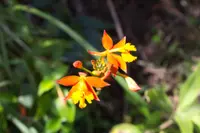 POPULAR
Fire-star orchid
Epidendrum radicans
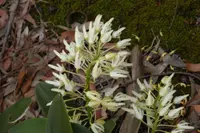 POPULAR
Rock orchid
Dendrobium speciosum
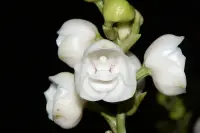
Dove orchid
Peristeria elata
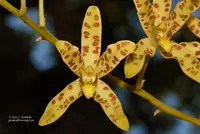
Leopard orchid
Ansellia africana
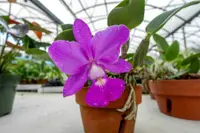
Walker's Cattleya
Cattleya walkeriana
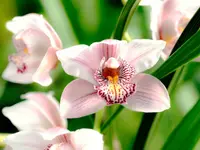
Four-Season Orchid
Cymbidium ensifolium
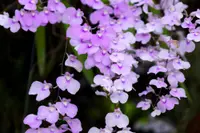
Delicate violet orchid
Ionopsis utricularioides
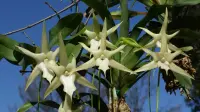
Darwin’s orchid
Angraecum sesquipedale
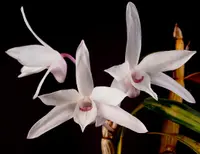
Japanese Stone Orchid
Dendrobium moniliforme
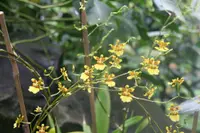
Kandyan Dancer Orchid
Oncidium sphacelatum
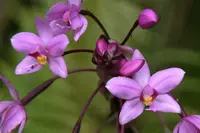
Philippine ground orchid
Spathoglottis plicata
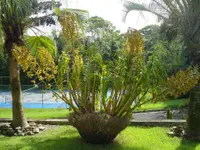
Tiger Orchid
Grammatophyllum speciosum
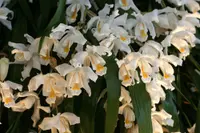
Coelogyne cristata
Coelogyne cristata
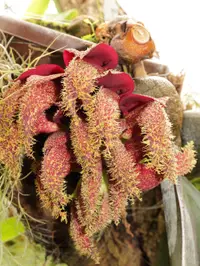
Bulbophyllum phalaenopsis
Bulbophyllum phalaenopsis

Aerides odorata
Aerides odorata
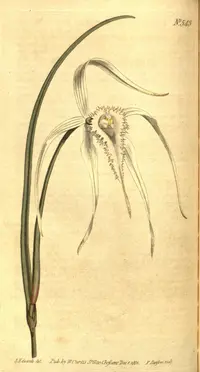
Daddy longlegs orchid
Brassavola cucullata
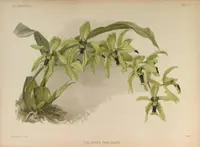
Black orchid
Coelogyne pandurata
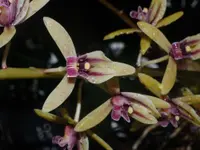
Aloe-leafed cymbidium
Cymbidium aloifolium
Our orchid identifier is fully automated. To get the species ID results, you only need to:
Botan is more than just a recognition tool. Once the ID is complete, you can set up a custom care plan. If you agree, the plant will be added to your virtual garden.
After that, you can set custom reminders and tasks, and get science-backed environmental tips.
The Orchidaceae family includes 28,000 species. They all share some distinctive features, such as 3 sepals and 3 petals, with one petal modified into a lip (labellum), plus a central column.
However, when it comes to identification, species-level differences come into play:
For a truly accurate ID, you should also examine root structure, column shape, wings and foot, the number and type of pollinia, and growth pattern.
You can identify an orchid much faster and more easily with Botan. However, accuracy depends on how well you capture the plant’s most distinctive parts.
What to Photograph | Why It Helps |
Flower (sepals, petals, column, spur, overall orientation) | Rules out genera by distinguishing spurred, non-spurred, slipper, resupinate, non-resupinate, and other groups |
Full inflorescence | Shows if it’s a single-flower, raceme, spike, multi-branched, and/or highly condensed type |
Pseudobulb and root zone | Confirms growing type (air, rock, or ground plants) and narrows the genus |
Leaves | Fan-pleated, cylindrical, reticulate, and other types narrow the genera and act as supporting evidence for species-level ID |
Our detector delivers 95+% accuracy with high-quality photos. Try to take one photo where the flowers, inflorescence, pseudobulb, and leaves are clearly visible to get an instant ID result and a custom care plan.
Yes, the Botan detector doesn’t rely on color. It’s, in fact, a weak ID feature. It relies on flower structure, the plant’s reproductive features, growth pattern, as well as seed and germination characteristics.