Wildflower Identification
Take a Photo & Identify Any Flower
Learn what species it is with Botan — your instant wildflower identification tool. Take a snap and discover the plant's name, toxicity status, and care needs.


Take a Photo & Identify Any Flower
Learn what species it is with Botan — your instant wildflower identification tool. Take a snap and discover the plant's name, toxicity status, and care needs.

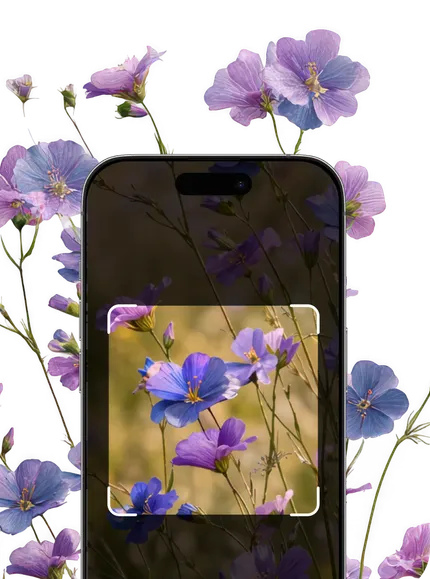

Plant Identifier Online for Free
Use easy-to-see images for the best plant ID results. Try not to take photos from very far away.
 POPULAR
Polka Dot Begonia
Begonia maculata
 POPULAR
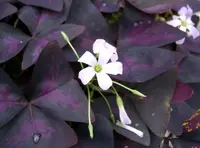
False Shamrock
Oxalis triangularis
 POPULAR
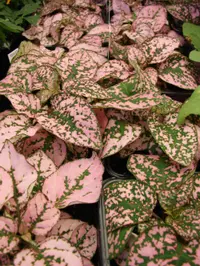
Polka Dot Plant
Hypoestes phyllostachya
 POPULAR
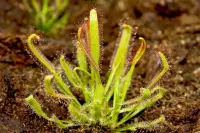
Cape sundew
Drosera capensis
 POPULAR
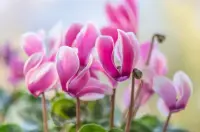
Cyclamen
Cyclamen persicum
 POPULAR
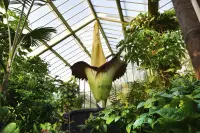
Corpse Flower
Amorphophallus titanum
 POPULAR
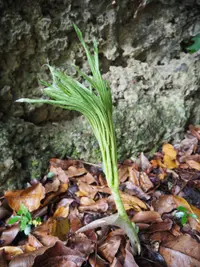
Amorphophallus henryi
Amorphophallus henryi
 POPULAR
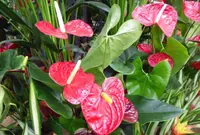
Flamingo Flower
Anthurium andraeanum
 POPULAR
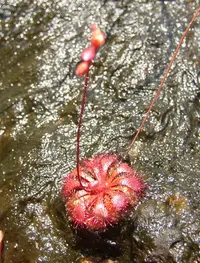
Spoon-Leaved Sundew
Drosera spatulata
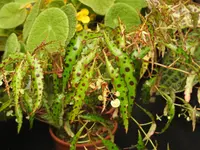 POPULAR
Begonia amphioxus
Begonia amphioxus
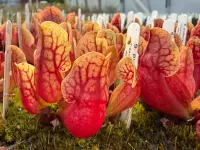 POPULAR
Purple pitcher plant
Sarracenia purpurea
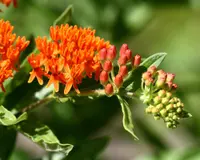 POPULAR
Butterfly weed
Asclepias tuberosa
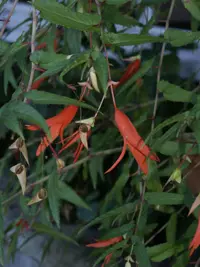 POPULAR
Bolivian begonia
Begonia boliviensis
 POPULAR
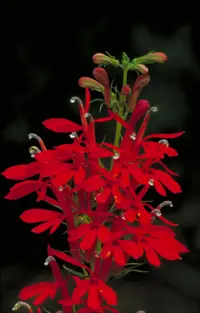
Cardinal flower
Lobelia cardinalis
 POPULAR
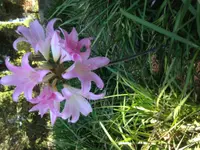
Naked Lady plants
Amaryllis belladonna
 POPULAR
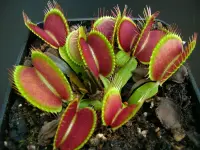
Venus flytrap
Dionaea muscipula
 POPULAR
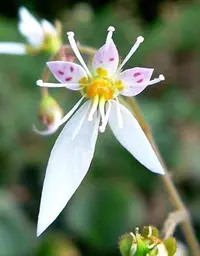
Strawberry saxifrage
Saxifraga stolonifera
 POPULAR
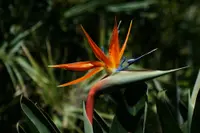
Bird of paradise plant
Strelitzia reginae
 POPULAR
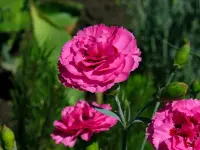
Carnation
Dianthus caryophyllus
 POPULAR
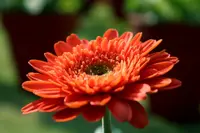
Gerbera daisy
Gerbera jamesonii
 POPULAR
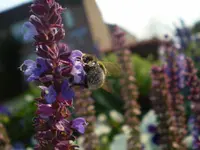
Woodland sage
Salvia nemorosa
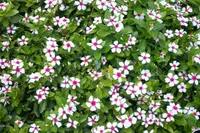
Madagascar Periwinkle
Catharanthus roseus
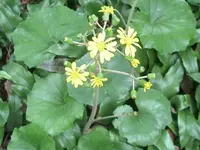
Leopard plant
Farfugium japonicum
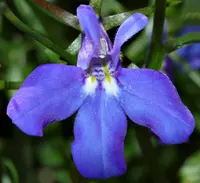
Trailing Lobelia
Lobelia erinus
Identifying wildflowers on your own takes time and effort. After all, this category includes roughly 250,000-400,000 species. Still, it’s possible if you follow the scheme.
The species ID process involves a step-by-step evaluation of key features, including petal count and shape, stem structure, leaf arrangement, and habitat.
Start with the simple part — count the petals. 3, 4, 5, 6, or 10+ petals are your first clue. For example, a count of 3 is rare and often indicates White Trillium. Other counts are more common, but they still narrow the search.
Then, evaluate the shape. The most common types among wildflowers are:
Consider these features along with the color.
After you examine the flower, look more closely at the stem. See if it has:
After that, it’s time to evaluate the most complex yet useful feature — leaf type.
When examining leaves, consider the following:
In addition to leaves, stems, and flowers, we recommend examining habitat, blooming season, overall plant height, and color.
If such research takes too much time and effort and you don’t feel confident yet, try the Botan wildflower identifier. It will help you build your knowledge base over time.
The diversity of the group is enormous, but some common examples can show how wildflower ID can work in practice:
Species Name | Key Identifying Features |
Black-eyed Susan (Rudbeckia hirta) | Dark central cone, yellow or orange daisy-like petals, hairy stem |
Butterfly Weed (Asclepias tuberosa) | 5-petaled bright flowers, alternate leaves, hairy stems with no milky sap |
Tropical Milkweed (Asclepias curassavica) | Bicolor flowers, lance-shaped leaves, milky sap in stems and leaves |
Purple Coneflower (Echinacea purpurea) | Spiny, dark orange-brown central cone, drooping petals |
Wild Columbine (Aquilegia canadensis) | Bicolor red and yellow flower, 5 red tubes, bright yellow stamens |
As you can see, the actual ID value is determined not by a single feature but by a combination of a few key characteristics.
Yes, the Botan scanner can identify rare and regional species, such as ghost orchid or primrose, and thousands of other uncommon wild plants.