Encourage Compact Growth
Pinch back the soft shoot tips every 2–3 weeks during active growth to keep plants compact, encourage branching, and increase the number of harvestable stems.

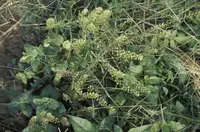
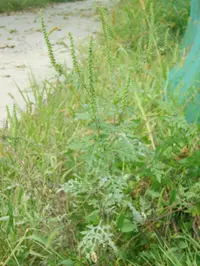
African pepperwort (Lepidium africanum) is a small herbaceous plant in the mustard family, valued more for its botanical interest than for ornamental display. It typically forms low, branching growth with simple leaves and fine, peppery-tasting foliage or seeds, similar to other Lepidium species. This species is native to parts of Africa, where it grows in open, often dry habitats. In cultivation, it tends to be fairly undemanding if given well-drained soil and not kept constantly wet. Light, moderate watering, and a free-draining substrate are the main points to consider when learning how to care for African pepperwort.

Care Difficulty
Moderate Care

Light Preference
Full Sun

Water Requirements
Moderate Water

Temperature Preference
Warm Climate

Hardiness Zone
Unknown

Soil Texture
Sandy, Loamy

Soil pH
Slightly acidic (6.5–7.0), Neutral (7.0)

Soil Drainage
Well-drained

Fertilization
Minimal (feed rarely)
Scan your plant to receive care tips personalized for your specific plant
Available on iOS and Android
This species prefers bright conditions with protection from extreme midday sun.
Watering should balance steady moisture with good drainage to avoid root stress.
This plant grows best in mild, temperate conditions without temperature extremes.
Humidity is not a major factor for Lepidium africanum, which adapts well to typical indoor and outdoor air levels.
Lepidium africanum prefers lean, well-drained soil that does not stay wet after watering or rain.
This species is suitable for container growing when the pot is set up to drain quickly and prevent soggy conditions.
Lepidium africanum grows in low-fertility soils, but light feeding improves container and garden performance.
Lepidium africanum responds well to light, timely pruning that keeps plants compact and productive.
This species is usually grown in the ground, so focus on gentle transplanting rather than frequent repotting.
Lepidium africanum is most often propagated from seed, which suits its natural growth habit.
Lepidium africanum is generally cold hardy in temperate climates and needs minimal winter care in the ground.

Plant Health Check
Not sure what's wrong with your plant? Check your plant's health inside the app.
This species belongs to the mustard family Brassicaceae and shares the typical four-petaled cross-shaped flowers and pungent-tasting tissues caused by glucosinolates, sulfur-containing defense compounds.
Lepidium africanum is naturally associated with relatively dry, open habitats in parts of Africa, showing good tolerance to high light, limited moisture, and nutrient-poor soils compared with many leafy crop relatives.
It produces numerous small seeds in short pods (siliques), a reproductive strategy that allows rapid colonization of disturbed ground where competition from larger plants is temporarily reduced.
Poor flowering usually comes from insufficient light, depleted soil nutrients, or plants that are still immature. Check that the site is bright enough, refresh the soil with balanced fertilizer, and avoid heavy pruning just before the natural flowering period.
Keep your plants happy and healthy with plant identification, disease detection, and easy care guidance.