

wineberry Identification (Aristotelia serrata)

To recognize wineberry, check for opposite, ovate leaves with finely toothed edges, usually 1-3 inches (2.5-7.5 cm) long, on slender branching stems.

It typically grows as a many-stemmed shrub or small tree, often with smooth gray bark, and bears small, five-petaled flowers in short clusters from the leaf axils.

Aristotelia serrata Identification

Check Your Plant ID

Take a photo and use Botan to confirm your plant identification.

Clear images work best. Avoid photos taken too close or too far away

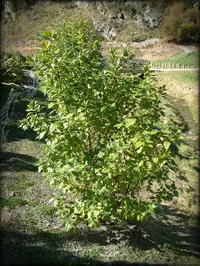
Check Aristotelia serrata for a small tree form with opposite, toothed leaves.

  • Leaves are simple, oval to lance-shaped, with fine serrations and a pointed tip, usually about 2-4 inches (5-10 cm) long.
  • Leaves occur in opposite pairs along the twigs, giving the shoots a neat, evenly spaced look.
  • Flowers are small and star-like, with 5 petals, hanging in short clusters from the leaf axils.
  • Fruits are rounded berries that hang in small groups and turn very dark purple to black when mature.

Use the opposite leaves and clustered dark berries together for the quickest field check.

Aristotelia serrata shows clear visual shifts from young growth to fruiting branches.

  • Juvenile plant: Juvenile plants are bushy and many-stemmed, with thin green to reddish stems and smaller, softer leaves than older plants.
  • Mature plant: Mature plants become small trees or tall shrubs, often 10-20 feet (3-6 m) high, with a defined trunk and broader crown.
  • Flowering stage: Flowering branches carry small, pale pink flowers in hanging clusters from the leaf axils, making the branch tips look lighter and more open.
  • Fruiting stage: After flowering, clusters of round berries replace the flowers and darken from red to purple-black, standing out clearly against the foliage.

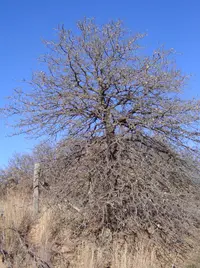
In spring, Aristotelia serrata leafs out with fresh green foliage, and small flowers become visible around late spring to early summer. Flowering can help confirm the plant when leaves are fully expanded. By late summer to fall, clusters of berries turn dark purple to nearly black and stand out against the foliage. In colder areas, leaves drop in fall, leaving a finer branching outline visible through winter.

A few small berry-bearing shrubs or trees can be mistaken for Aristotelia serrata at a glance.

mahoe(Melicytus ramiflorus)

Both can form small trees with simple toothed leaves and purple-black berries. Mahoe usually has thicker, paler leaves and small flowers and fruits borne along older stems, not mainly in branched clusters toward the tips.

fuchsia tree(Fuchsia excorticata)

It can suggest the same loose, small-tree shape and dark fruit. The quickest check is the flower and berry form: Fuchsia has long tubular flowers and elongated berries, while Aristotelia serrata has small starry flowers and round berries.

Aristotelia serrata is native to New Zealand. It occurs through much of the country in lowland and montane forest, forest margins, scrub, and disturbed ground, including stream edges and slips. That setting can help narrow identification. In New Zealand, a small tree or large shrub appearing in secondary woodland, bush edges, or regrowth after disturbance is more likely to be this species than a plant of dry open grassland or alpine habitats.

Confirm It from a Photo

Upload a clear image to Botan to identify the plant or verify your find before spending more time on it.

FAQ

Flowers are usually borne in small branched clusters from the leaf axils, the point where leaf stalks meet the stem. This arrangement helps with Aristotelia serrata identification when flowers are present.

More Plant Identification Guides

Identify First. Learn What Comes Next.

Use Botan to identify a plant from a photo, then review plant details, care information, and common problems.

Botan app identifying a plant from a photo
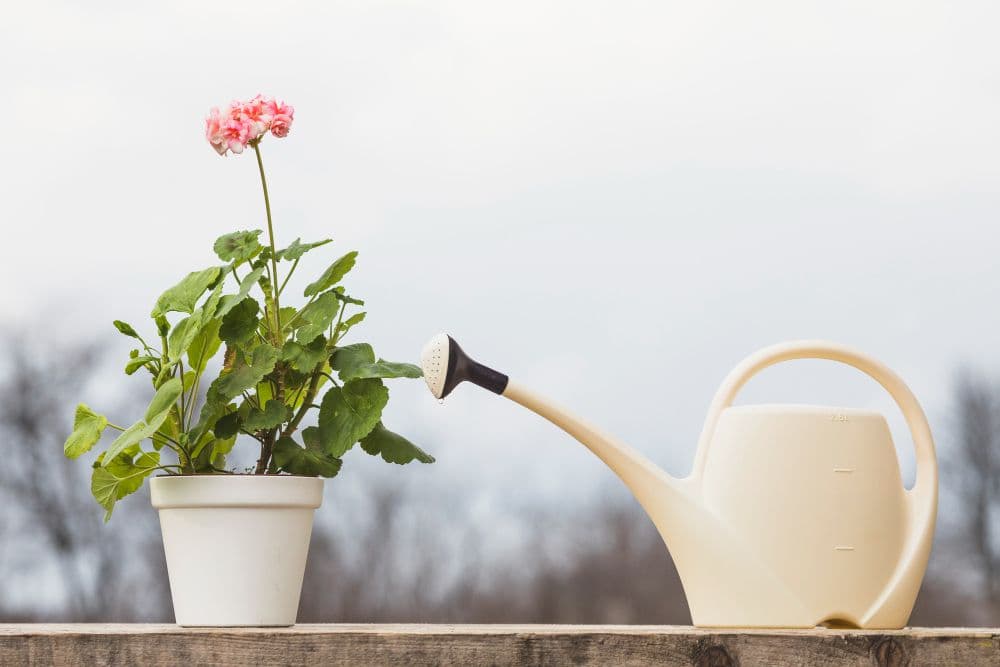
How Long Can Flowers Go Without Water? Everything You Need to Know

6 min read · 10 Jul 2026

How Long Can Flowers Go Without Water? Everything You Need to Know

Flowers can survive without water anywhere from 1-2 hours to several months, depending on the plant type, species, and growing conditions. Some strong-looking flowers are drought-sensitive, while delicate-looking plants may tolerate long dry periods surprisingly well.

Plant Care
How Long Can Flowers Go Without Water? Everything You Need to Know
Dill Companion Plants – What to Grow Next to Dill

9 min read · 17 Jul 2026

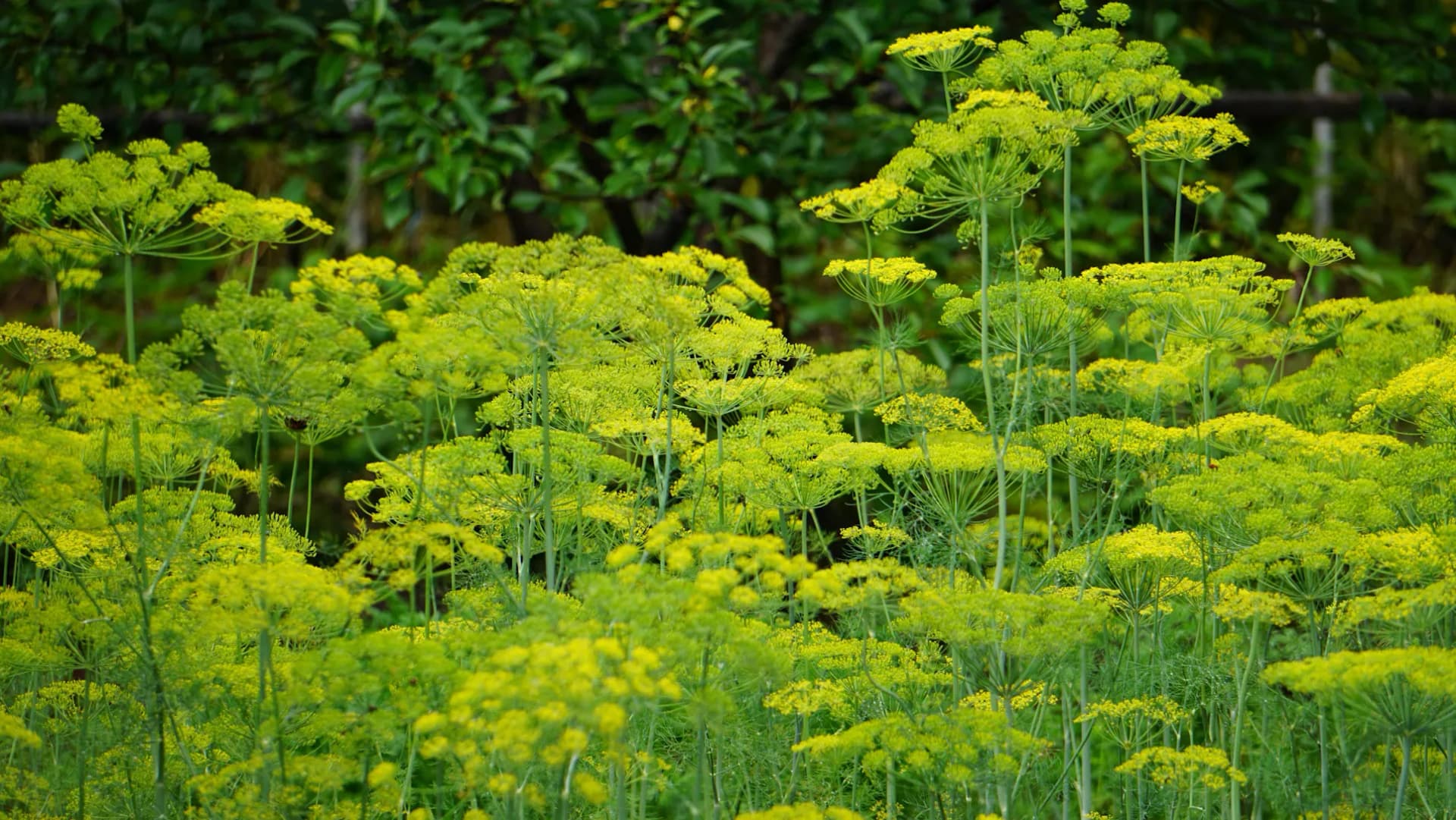
Dill Companion Plants – What to Grow Next to Dill

Dill is an easy-to-grow plant that gets along well with many vegetables. This guide describes 15 plants that can be planted alongside it, a few to avoid, and mistakes that can quietly sabotage the entire process.

Plant Recommendations
Dill Companion Plants – What to Grow Next to Dill
What Do Plants Need to Grow – 5 Things Every Greenery Can't Live Without

8 min read · 31 Jul 2026

What Do Plants Need to Grow – 5 Things Every Greenery Can't Live Without

To keep plants healthy and thriving, provide the right balance of light, humidity, nutrients, airflow, and quality soil. This guide covers the essentials of year-round plant care.

Beginner Guides
What Do Plants Need to Grow – 5 Things Every Greenery Can't Live Without