Wintersweet Care (Chimonanthus praecox)

Also known as: Fragrant Wintersweet, Japanese allspice
Wintersweet

About Wintersweet

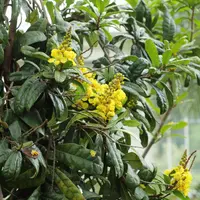
Wintersweet, Chimonanthus praecox, is a deciduous flowering shrub valued for its strongly scented winter blooms. It typically forms an upright, multi-stemmed shape with bare branches covered in waxy, translucent, yellow flowers. Native to China, it is usually grown outdoors in temperate gardens as a feature shrub near paths, doors, or seating areas where the fragrance can be appreciated. The plant is fairly robust once established but can be slow to settle and flower well in new locations. It prefers a sunny, sheltered spot with well-drained soil, which makes it relatively straightforward to care for Wintersweet in suitable climates.

Main Plant Requirements

Care Difficulty

Moderate Care

Light Preference

Full Sun

Water Requirements

Moderate Water

Temperature Preference

Cold Hardy

Hardiness Zone

7–9

Soil Texture

Loamy, Sandy, Clay

Soil pH

Slightly acidic (6.5–7.0), Neutral (7.0)

Soil Drainage

Well-drained

Fertilization

Minimal (feed rarely)

Get Personalized Care Plan

Scan your plant to receive care tips personalized for your specific plant

Available on iOS and Android

How to Care for the Wintersweet

This deciduous shrub thrives with ample sun while tolerating some shade in hotter climates.

  • Provide 6–8 hours of direct sun daily, ideally with full morning sun and light afternoon shade in very warm regions.
  • Plant Wintersweet in an open, unshaded spot in winter so low-angle sun reaches the buds, which supports strong flowering.
  • In hot summers, protect from harsh late-afternoon sun to prevent leaf scorch; in deep shade it becomes leggy and flowers sparsely.

This shrub prefers evenly moist but never saturated soil, with brief drying between waterings once established.

  • Before watering, let the top 3–5 cm of soil dry; in the ground this often means deep watering every 7–14 days in dry periods, depending on soil type and weather.
  • Ensure sharply draining soil; prolonged puddling or sour smell around roots suggests overwatering, risking root rot and yellowing leaves.
  • In the first 1–2 years after planting Chimonanthus praecox, monitor closely during summer droughts for wilting or dull leaves, then water slowly and deeply.

This hardy shrub withstands cold winters but flowers best within a moderate temperature range.

  • Optimal growing-season temperatures are around 60–77°F (16–25°C), supporting steady shoot and root development.
  • Established plants tolerate winter lows near 0°F (−18°C), though flower buds may be damaged if sudden freezes follow mild spells.
  • In hot climates above 90°F (32°C), provide soil mulch and afternoon shade, as prolonged heat and dry winds can scorch foliage and reduce bud set for the next season.

Chimonanthus praecox handles a wide humidity range but prefers moderately moist air.

  • Aim for 40–60% humidity, similar to most temperate outdoor conditions.
  • Dry air is usually tolerated, but prolonged heating indoors can cause leaf edge browning or bud drop.
  • Increase humidity around Wintersweet by grouping plants, using a nearby water tray, or mulching the root zone outdoors to stabilize moisture.

Chimonanthus praecox performs best in deep, well-structured soil with steady moisture and rapid drainage.

  • Use a loamy soil rich in organic matter, combining garden loam with compost and a smaller part of coarse sand or fine grit.
  • Ensure excess water drains freely, especially on heavier sites, by planting on a slight mound or raised bed to protect roots from saturation.
  • Aim for slightly acidic to neutral pH (6.0–7.0), avoiding strongly alkaline or compacted clay that restricts root aeration.
  • In containers, choose a peat-free shrub mix, then lighten structure with bark chips or perlite to prevent waterlogging while keeping even moisture.

This shrub can be grown in containers for several years, especially in cooler regions or small gardens.

  • Select a deep, heavy pot to anchor the plant against wind, as upright winter stems become top-heavy when in bud.
  • Use a slightly wider-than-rootball container to balance root space with controlled moisture, avoiding oversized pots that stay wet for too long.
  • Place the container on pot feet or bricks so drainage holes stay clear, preventing winter water accumulation around the base.

This woody shrub benefits from modest feeding to support flowering and steady growth.

  • Apply a balanced slow-release fertilizer (around 10-10-10) once in early spring as new growth starts, especially for Wintersweet in poorer soils.
  • Supplement with a light top-dressing of compost around the root zone in late spring, keeping it away from direct stem contact.
  • Use fertilizer at 1/2 the label strength for container plants, ensuring moist soil before and after application to avoid root burn.
  • Stop feeding by late summer so new shoots harden before winter, avoiding soft growth that is prone to cold damage.

Pruning helps maintain structure and flowering quality in Chimonanthus praecox without heavy intervention.

  • Carry out main pruning just after flowering in late winter to early spring, before strong new growth begins.
  • Remove dead, damaged, crossing, or very congested stems at the base to improve air flow and light penetration.
  • Thin older, unproductive branches gradually to encourage vigorous new flowering shoots and a balanced framework.
  • Use clean, sharp hand pruners or loppers, making angled cuts just above outward-facing buds to guide future growth.

This shrub is usually grown in the ground, so focus on careful transplanting rather than frequent repotting.

  • Plan transplanting for late fall or early spring when the plant is dormant and soil is workable, minimizing stress.
  • Look for signs such as slow growth, poor flowering, or roots circling a pot drainage hole to assess container plants.
  • Transplant every several years only, lifting with a wide root ball and replanting at the same depth in well-drained soil.
  • Water deeply after moving, then maintain even moisture and a 5–8 cm mulch ring, keeping mulch off the stems to reduce rot risk.

Propagation of this shrub is possible but slow, so it is typically done by gardeners with some patience and space.

  • Use semi-ripe cuttings in late summer, placing 8–10 cm pieces in a free-draining, slightly moist medium under bright, indirect light.
  • Apply rooting hormone to the cut base and maintain high humidity with a vented cover to encourage root formation.
  • Try simple layering in spring by pegging a low, flexible stem into the soil until roots form, then detach and transplant.
  • Sow seeds in autumn in pots outdoors for natural cold stratification, expecting variable germination and slow early growth.

This deciduous shrub is quite cold hardy and usually needs only basic winter care in temperate climates.

  • Tolerates typical winter lows in much of the US, but young plants benefit from a sheltered site away from drying winds.
  • Apply a 5–8 cm mulch layer over the root zone in late fall to moderate soil temperature and moisture.
  • In very cold regions or exposed gardens, wrap young stems loosely with burlap, leaving the top open for air flow.
  • Grow Chimonanthus praecox in containers only where winters are moderate, or move pots into a cold but frost-sheltered area.

Care Tips

Fan training

Train new shoots along a low, open fan shape on wires or trellis over 2–3 years to improve light penetration, increase flower bud formation, and keep the shrub easier to rejuvenate later.

Bloom-viewing placement

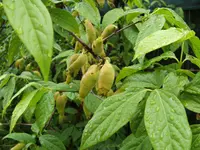
Site the shrub near a winter pathway, doorway, or patio and keep the lower 30–50 cm of stems lightly thinned so the strongly scented flowers are at nose height and not hidden deep in the framework.

Selective cane renewal

Every 2–3 years remove 1–3 of the oldest, thickest stems at the base right after flowering to stimulate young replacement canes and maintain a balanced structure without heavy annual pruning.

Mulch for root stability

Apply a 5–8 cm layer of composted bark or leaf mold over the root zone, keeping it a few cm away from the stems, to buffer soil temperature swings and protect shallow roots from winter freeze–thaw cycles.

Bud protection check

In late autumn inspect flower buds and, in exposed sites, use a breathable windbreak or temporary fleece on the windward side to reduce desiccation and frost damage, especially in the first few years of growing Wintersweet.

Common Pests and Diseases

Scale insects

This pest attaches to stems and the undersides of leaves, sucking sap and causing yellowing, poor flowering, and sticky honeydew on branches. Symptoms include small, dome-shaped or flat brown bumps that do not move when touched.

Solution

Prune out heavily infested twigs, then wipe remaining scales with a cotton pad dipped in 70% isopropyl alcohol or a dilute insecticidal soap solution. For larger shrubs, apply a horticultural oil spray in late winter before bud break to smother overwintering scales, and repeat as needed while monitoring beneficial insects.

Aphids

These insects cluster on young shoots and flower buds, distorting growth and reducing flower quality while excreting honeydew that can lead to sooty mold. This pest tends to increase rapidly in mild winter and early spring weather when new growth appears.

Solution

Dislodge colonies with a firm jet of water, focusing on shoot tips and the undersides of leaves, and repeat every few days during peak activity. If populations remain high, use insecticidal soap or a light horticultural oil, applied in the evening to avoid leaf scorch, and encourage natural predators such as lady beetles by avoiding broad-spectrum insecticides.

Leaf spot

This disease causes small brown, purple, or tan spots on leaves that may merge, leading to premature leaf drop and a generally thin canopy. Symptoms include more severe spotting in crowded, shaded, or poorly ventilated plantings.

Solution

Remove and discard affected leaves from the plant and from the ground to reduce the source of infection, and avoid overhead watering that keeps foliage wet. Improve air circulation with careful thinning cuts and, if needed, apply a labeled copper or chlorothalonil-based fungicide in spring when new leaves emerge, following product directions closely.

Powdery mildew

This disease produces a white or gray powdery coating on leaves and young stems, which can cause distorted new growth and reduced vigor in humid but not overly wet conditions. Symptoms include more extensive coverage on shaded or crowded parts of the shrub.

Solution

Increase sunlight and airflow by pruning crossing branches and avoiding dense underplanting around the base. If needed, use a sulfur or potassium bicarbonate-based fungicide at the first sign of infection, applying during dry, mild weather and repeating according to label directions as part of broader Chimonanthus praecox care.

Interesting Facts

Winter-blooming strategy

This species flowers in mid-winter on bare leafless branches, an adaptation that helps its highly scented blooms stand out to the few active pollinators available in cold months.

Oil-rich fragrance glands

The petals contain specialized oil cells that release a strong spicy-sweet aroma, dominated by compounds such as linalool and eugenol, which are common in perfumery and explain the intense scent.

Early introduction to Europe

The shrub was introduced from China to European gardens in the 18th century and quickly became valued in walled and courtyard gardens for reliable mid-winter color and scent.

Botan icon

Did you know?

In traditional Chinese garden design, wintersweet is often planted near doorways, pathways, or windows so that its fragrance can be appreciated in the cold season, and it is commonly depicted in art and poetry as a symbol of endurance and purity in harsh winter conditions.

FAQs about Wintersweet

Lack of flowers usually comes from pruning at the wrong time, deep shade, or a plant that is still immature. It flowers on old wood, so heavy pruning in late winter or spring removes next season’s buds.

Grow Healthy Plants with Botan Care

Keep your plants happy and healthy with plant identification, disease detection, and easy care guidance.


Botan plant care app — identify plants on mobile

Explore More Plants