Ornamental Onion Care (Allium oreophilum)

Ornamental Onion

About Ornamental Onion

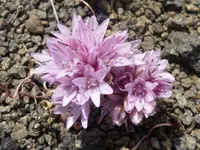
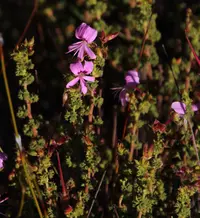
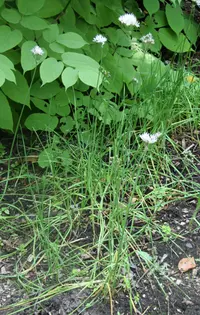
Ornamental onion (Allium oreophilum) is a small bulbous perennial grown mainly for its airy clusters of starry pink to rose-purple flowers. Plants form low tufts of narrow leaves, then send up short flowering stems in late spring to early summer.

This species is native to rocky slopes and alpine meadows in parts of Europe and western Asia, so it is naturally adapted to well-drained, often gritty soils. It suits rock gardens, sunny borders, and naturalistic plantings where it can be allowed to form small clumps.

Allium oreophilum is generally undemanding, provided it receives good light, drainage, and not overly wet conditions during dormancy. These traits make it relatively simple to care for Ornamental Onion in typical garden settings.

Main Plant Requirements

Care Difficulty

Easy Care

Light Preference

Full Sun

Water Requirements

Low Water

Temperature Preference

Cold Hardy

Hardiness Zone

4–8

Soil Texture

Sandy, Loamy, Rocky

Soil pH

Slightly acidic (6.5–7.0), Slightly alkaline (7.0–7.5)

Soil Drainage

Well-drained

Fertilization

Minimal (feed rarely)

Get Personalized Care Plan

Scan your plant to receive care tips personalized for your specific plant

Available on iOS and Android

How to Care for the Ornamental Onion

This alpine onion prefers bright, open conditions similar to a sunny rock garden habitat.

  • Provide 6–8 hours of direct sun daily; in hot summer climates, aim for strong morning sun with light afternoon shade.
  • Tolerates light partial shade, but flowering may be reduced if it receives less than 4–5 hours of sun.
  • In very intense summer sun, shallow soils can overheat and scorch foliage, so use light mulch or nearby low plants to filter harsh afternoon rays for Ornamental Onion.

This bulb prefers dry to moderately moist soil and is sensitive to prolonged wetness.

  • Allow the top 3–5 cm of soil to dry fully before watering; in the ground, water only after a dry spell when foliage shows slight limpness.
  • Ensure sharply drained, gritty or sandy soil so excess water runs off quickly, reducing bulb rot risk for Allium oreophilum.
  • During summer dormancy after foliage dies back, keep soil almost dry, then resume light watering only when new growth appears in the next cool season.

This hardy bulb tolerates cold winters but grows best in cool to mild conditions.

  • Active growth and flowering are strongest at 55–70°F (13–21°C), typical of spring in many temperate regions.
  • Dormant bulbs tolerate winter lows down to about 0°F (-18°C) in well-drained soil; deeper planting and mulch improve cold resilience.
  • In hot regions with summer highs above 90°F (32°C), provide gritty soil and dry conditions through dormancy to prevent heat and moisture stress.

This bulb is naturally adapted to dry, open habitats and does not need elevated humidity.

Allium oreophilum prefers sharply drained, mineral soils that never stay waterlogged.

  • Use a sandy or gritty loam with 30–50% coarse sand or grit to keep water moving through the root zone.
  • Incorporate a modest amount of compost or leaf mold to supply nutrients without making the mix heavy or soggy.
  • Aim for slightly alkaline to neutral pH around 6.8–7.5, avoiding strongly acidic conditions that can weaken bulbs.
  • Improve drainage and aeration in heavy soil by creating raised beds or mixing in fine gravel and coarse horticultural grit.

This species is well suited to container growing when drainage and bulb depth are managed carefully.

  • Choose a pot at least 18–20 cm deep so bulbs can sit twice their height below the rim with space for roots beneath.
  • Use a clay or terracotta container if outdoor rainfall is high, as these materials dry faster and reduce bulb rot risk.
  • Raise the pot on feet or bricks outdoors so drainage holes stay clear and excess water runs off quickly after rain or watering.

Allium oreophilum is a small bulb that needs only light feeding in reasonably fertile soil.

  • Apply a balanced slow-release or granular fertilizer (around 5-5-5 to 10-10-10) once in early spring as shoots emerge.
  • Use a low to moderate rate or half-dilution; excessive nitrogen reduces flowering and can cause floppy growth.
  • In lean soils, supplement with a thin layer of compost around, not on top of, the bulbs in spring.
  • Stop feeding after flowering and do not fertilize during summer dormancy or winter rest.

Pruning Allium oreophilum focuses on spent flowers and declining foliage rather than shaping.

  • Deadhead flower heads after they fade if seed is not desired, cutting the stalk near the base with clean scissors or snips.
  • Leave green leaves in place until they yellow naturally so bulbs can recharge for next season’s blooms.
  • Once foliage is fully yellow or brown, gently pull or cut it off at ground level to keep beds tidy.
  • Remove any damaged, diseased, or overcrowded clumps during the dormant season to maintain good air flow and flowering.

This small ornamental onion is usually grown in borders or rock gardens and only moved occasionally.

  • Consider lifting and transplanting every 3–5 years if clumps become crowded, flowering declines, or bulbs push to the soil surface.
  • Plan transplanting for late summer to early fall, after foliage has completely died back and bulbs are dormant.
  • Gently lift bulbs with a fork, shake off excess soil, separate offsets, and replant at roughly 2–3 times bulb depth in well-drained soil.
  • Water lightly after transplanting to settle soil around roots, then keep conditions relatively dry to limit rot and stress.

Allium oreophilum is commonly propagated by bulb division, with seed used mainly for larger batches or breeding.

  • Divide clumps in late summer to early fall when bulbs are fully dormant and foliage has disappeared.
  • Lift bulbs carefully, separate offsets by hand, discarding any soft or diseased ones, then replant promptly at proper depth and spacing.
  • For seed, sow fresh seed in trays or pots outdoors in fall, allowing natural cold stratification over winter.
  • Use a gritty, well-drained mix, keep evenly moist but not wet, and expect seedlings to reach flowering size in 2–3 years.

This hardy bulb tolerates typical winter conditions in many temperate regions and generally needs minimal attention.

  • Established clumps in the ground usually overwinter well in USDA zones roughly 4–8 without extra cover.
  • In colder or exposed sites, apply a light mulch layer (leaf mold, straw, or compost) after the soil cools to buffer freeze–thaw cycles.
  • Container-grown bulbs face more root freezing; move pots into an unheated garage, cold frame, or against a sheltered wall.

Care Tips

Bulb Marking Strategy

Mark bulb locations with small, discreet stakes or gravel rings right after planting so you avoid disturbing dormant bulbs when digging or replanting nearby perennials in summer and fall.

Dry-Summer Companions

Plant these bulbs among drought-tolerant perennials or low-grass areas that stay relatively dry in summer so the soil does not remain moist around dormant bulbs, which reduces the risk of rot.

Rodent Deterrent Netting

Lay a sheet of plastic or metal mesh over the planted area, just below the soil surface, to deter squirrels and rodents from digging up bulbs while still allowing shoots to emerge in spring.

Seed Head Management

Leave some spent flower heads to dry and drop seed if you want a naturalized colony, but deadhead most of them to prevent excessive self-seeding and to direct the plant’s energy back to the bulb.

Bulb Lifting Rotation

In heavy or poorly draining soils, lift and inspect bulbs every 3–4 years after foliage dies back, discarding soft or damaged ones and replanting only firm, healthy bulbs to maintain strong clumps when growing Ornamental Onion.

Common Pests and Diseases

Onion thrips

This pest feeds by rasping and sucking plant tissues, causing silvery streaks, speckling, and reduced vigor on leaves and scapes. Symptoms include distorted foliage and weaker flowering in warm, dry weather.

Solution

Monitor plants closely in late spring and summer, then remove and discard heavily infested foliage. Encourage natural predators, use a firm spray of water to dislodge thrips, and if needed apply a targeted insecticidal soap or neem oil in the evening, repeating at 5–7 day intervals until new growth appears clean.

Narcissus bulb fly

This insect lays eggs at the base of bulbs, and its larvae tunnel inside, leading to soft, decaying bulbs and weak or absent shoots. Symptoms include stunted or collapsed growth and bulbs that feel hollow when squeezed.

Solution

Lift and inspect bulbs during dormancy, discarding any that are soft, hollow, or show tunneling. To reduce attack, plant bulbs slightly deeper, cover planting holes so no neck is exposed, and use fine mesh or fleece over newly planted areas; in gardens with recurring problems, rotate planting sites and purchase only firm, healthy bulbs.

Allium white rot

This disease is a soil‑borne fungal infection that causes yellowing, wilting, and eventual collapse of foliage. Symptoms include white, fluffy fungal growth and black sclerotia (hard resting bodies) on the bulb and roots.

Solution

Immediately remove and destroy affected plants, including as much surrounding soil as possible, and avoid planting any Allium species in the same spot for many years. Improve drainage, avoid overhead watering, and source bulbs from reputable suppliers; in heavily affected beds, consider switching to non-Allium ornamentals instead of trying to grow Allium oreophilum there.

Botrytis leaf blight

This disease develops in cool, damp conditions and causes pale spots that enlarge into brown, water-soaked lesions on leaves and scapes. Symptoms include blighted foliage that may collapse and gray, fuzzy mold in humid weather.

Solution

Remove and bin affected leaves promptly to reduce spore spread and avoid overhead irrigation, watering only at the soil level in the morning. Improve air circulation by spacing clumps, thinning crowded plantings, and in severe or recurring cases use a labeled ornamental bulb fungicide according to Ornamental Onion care instructions.

Bulb mites

These pests live in and around bulbs, feeding on scales and basal plates, which leads to poor emergence, weak growth, and rotting bulbs, especially in storage or overly wet soils. Symptoms include bulbs that are crumbly, with fine brown dust and small, pale mites visible under close inspection.

Solution

Inspect stored bulbs regularly and discard any that show soft spots, decay, or visible mites. Before storage, cure bulbs in a dry, well‑ventilated place, keep them in breathable containers, and avoid overly wet soils in the garden; if infestation is suspected, dip bulbs in warm water within safe temperature limits (around 104°F/40°C for a short time) or use a labeled miticide specifically for ornamental bulbs before replanting.

Interesting Facts

High mountain specialist

This species is naturally native to rocky slopes and subalpine meadows in Central Asia, especially the Tien Shan mountains, where it is adapted to cold winters and short growing seasons.

Distinctive pink umbels

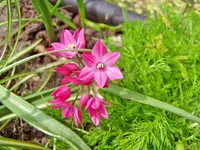
It produces loose, open umbels of star-shaped, deep pink flowers with a darker midvein, which distinguishes it from many ornamental onions that have denser, ball-shaped flower heads.

Pollinator-friendly nectar

The shallow, starry flowers are easily accessible to small bees and other short-tongued pollinators, so plantings can support local pollinator activity in rock gardens and sunny borders.

Botan icon

Did you know?

Allium oreophilum was introduced into European horticulture in the 19th century from Central Asian mountain regions and has since become a classic rock-garden bulb because its compact habit and early summer flowering fit well into tightly planted alpine displays.

FAQs about Ornamental Onion

Lack of flowers usually comes from bulbs being too shaded, overcrowded, or weakened by cutting foliage too early. Ensure a sunny site, allow leaves to die back naturally, and divide congested clumps every few years to restore flowering.

Grow Healthy Plants with Botan Care

Keep your plants happy and healthy with plant identification, disease detection, and easy care guidance.

Botan plant care app — identify plants on mobile

Explore More Plants