


Gravel mulch band
Apply a 3–5 cm band of coarse gravel around the crown to keep the stem base dry, reduce rot risk, and suppress competing moss or algae on the soil surface.

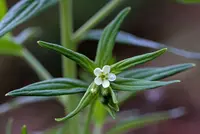
Lithospermum helleri, commonly called Heller's marbleseed, is a small, perennial wildflower in the borage family. It typically forms low clumps with narrow leaves and clusters of small, pale flowers.
The plant is native to specific rocky and sandy habitats in parts of the southern United States, often in well-drained, sunny sites. It can be somewhat challenging to establish in typical gardens because it prefers lean, gritty soil and does not tolerate prolonged wet conditions.
Gardeners who want to care for Heller's marbleseed should provide strong light, excellent drainage, and avoid heavy fertilizing. Once settled, it tends to be slow-growing but relatively low-maintenance.

Care Difficulty
Moderate Care

Light Preference
Full Sun

Water Requirements
Low Water

Temperature Preference
Cool Climate

Hardiness Zone
5–8

Soil Texture
Sandy, Loamy, Rocky

Soil pH
Slightly acidic (6.5–7.0), Neutral (7.0)

Soil Drainage
Well-drained

Fertilization
Minimal (feed rarely)
Scan your plant to receive care tips personalized for your specific plant
Available on iOS and Android
This sun-loving perennial thrives in open, bright sites with lean, well-drained soil.
This species prefers dry, fast-draining conditions and is sensitive to excess moisture.
This plant is adapted to temperate climates with cool to warm conditions and distinct winters.
This species is adapted to dry, open habitats, so humidity is rarely a concern in typical home conditions.
Lithospermum helleri prefers lean, sharply drained, sandy or gravelly soil that mimics rocky native sites.
This species can be grown in containers if the pot is managed to stay very free-draining and relatively dry.
This nutrient-efficient native shrub typically needs minimal feeding when grown in suitable, well-drained soil.
Pruning Lithospermum helleri is mainly light maintenance to keep the plant compact and flowering well.
This species is usually grown in the ground, so focus on careful transplanting rather than frequent repotting.
Lithospermum helleri plant care often includes small-scale propagation for site expansion or restoration plantings.
This species is moderately cold hardy and usually needs only light winter preparation in suitable climates.

Plant Health Check
Not sure what's wrong with your plant? Check your plant's health inside the app.
This species is naturally restricted to thin, sandy soils on granite outcrops and pavements in the southern Appalachian region, where few other vascular plants can tolerate the heat and drought stress.
It is known only from a small number of sites in North Carolina and adjacent areas, making it a regional endemic that contributes to the distinct flora of the Blue Ridge and nearby ranges.
The plant produces small, pale to whitish flowers in early spring that are easily overlooked against the rock surface but timed to take advantage of cooler temperatures and early pollinator activity.
This species is valued by native pollinators. The small tubular flowers provide nectar and pollen for solitary bees, small butterflies, and some flies. It contributes to local biodiversity and suits wildlife-friendly gardens focused on supporting pollinator insects.
Keep your plants happy and healthy with plant identification, disease detection, and easy care guidance.

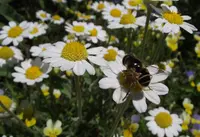
Woolly Chamomile
Anthemis tomentosa
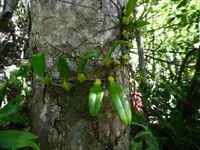
Bulbophyllum incurvum
Bulbophyllum incurvum
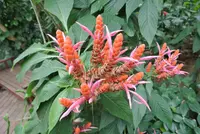
Aphelandra sinclairiana
Aphelandra sinclairiana
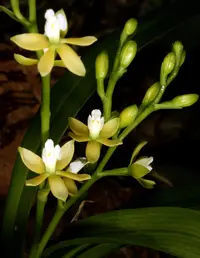
Prosthechea ochracea
Prosthechea ochracea
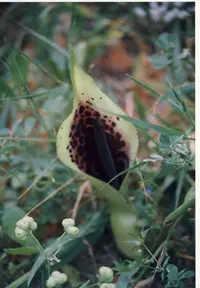
Dioscorides Arum
Arum dioscoridis
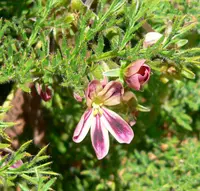
Night-Scented Pelargonium
Pelargonium triste
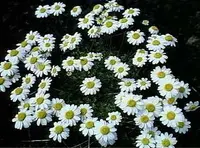
Anthemis aetnensis
Anthemis aetnensis
Regal geranium
Pelargonium grandiflorum