Dittany of Crete Care (Origanum dictamnus)

Dittany of Crete

About Dittany of Crete

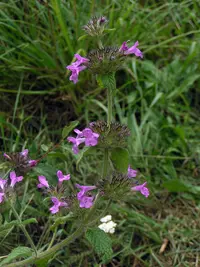
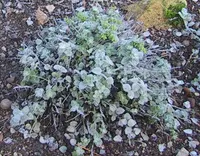
Dittany of Crete (Origanum dictamnus) is a compact, woody, perennial herb in the mint family, valued for its soft, aromatic foliage. It forms low, mounding clumps with small, rounded, woolly gray leaves and arching stems that often cascade over the edges of pots or rock walls. In summer it produces pink to purple flowers in papery bracts that add ornamental interest. This species is native to rocky slopes and cliffs on the island of Crete, where it grows in hot, dry, sunny conditions with excellent drainage. Its drought tolerance and modest nutrient needs make it relatively easy to grow, provided the roots never sit in wet, heavy soil and light is strong. Gardeners who learn how to care for Dittany of Crete usually find it a reliable, low-maintenance plant in suitable climates.

Main Plant Requirements

Care Difficulty

Moderate Care

Light Preference

Full Sun

Water Requirements

Low Water

Temperature Preference

Warm Climate

Hardiness Zone

7–11

Soil Texture

Sandy, Loamy, Rocky

Soil pH

Slightly acidic (6.5–7.0), Slightly alkaline (7.0–7.5)

Soil Drainage

Well-drained

Fertilization

Minimal (feed rarely)

Get Personalized Care Plan

Scan your plant to receive care tips personalized for your specific plant

Available on iOS and Android

How to Care for the Dittany of Crete

Origanum dictamnus needs strong light to stay compact and aromatic.

  • Provide 6–8 hours of direct sun daily outdoors, ideally with morning sun and light afternoon shade in hot summers.
  • Tolerates light partial shade (around 3–4 hours sun), but stems may stretch and foliage can lose density in lower light.
  • In very intense summer climates, protect Dittany of Crete from harsh midday sun with filtered light to prevent leaf scorch and dryness stress.

This drought-tolerant herb prefers infrequent, deep watering in fast-draining soil.

  • Allow the top 3–5 cm of soil to dry fully before watering; the soil should feel dry and slightly crumbly, not cool and damp.
  • In spring and early summer, water when foliage starts to look a bit less turgid; reduce frequency in late summer and winter, especially in rainy climates.
  • Watch for limp, crispy leaves as a sign of underwatering, and yellowing, soft stems or a sour smell as signs of overwatering and poor drainage.

This species prefers warm, dry conditions and struggles with prolonged cold or excessive humidity.

  • Optimal growth occurs around 65–80°F (18–27°C), especially in sunny, sheltered spots with good air movement.
  • Mature plants tolerate brief dips to about 25°F (-4°C) if soil drains very well, but repeated hard frosts and wet cold often cause root rot or dieback.
  • Heat up to 90–95°F (32–35°C) is usually tolerated if soil is not waterlogged; in extreme heat, slight afternoon shade limits leaf scorch and stress.

This species prefers dry to moderately dry air and usually does not need humidity adjustment indoors.

  • Maintain 30–50% relative humidity; typical heated or air-conditioned homes are suitable for Dittany of Crete.
  • Watch for limp, darkening foliage or moldy stems, which indicate humidity is too high rather than too low.
  • Increase air movement with a small fan and avoid grouping tightly with moisture-loving plants to prevent excess humidity.

This plant needs lean, very free-draining mineral soil to prevent root rot.

  • Use a sandy or gritty mix such as 60% coarse sand or grit with 40% cactus mix for Origanum dictamnus.
  • Aim for slightly alkaline to neutral pH around 7.0–8.0, avoiding highly acidic substrates.
  • Improve aeration and drainage by blending in pumice or perlite rather than peat-heavy materials.
  • Avoid dense, water-retentive mixes or containers without sharp drainage, which keep roots wet for long periods.

This species is well suited to container growing, especially in regions with wet winters.

  • Choose a wide, shallow pot to match the fibrous, surface-leaning root system and limit water retention depth.
  • Select unglazed terracotta to let the mix dry faster and reduce the risk of persistent substrate moisture.
  • Raise the pot on feet or bricks outdoors so drainage holes stay clear and excess water escapes quickly after rain.

This Mediterranean herb stays compact and aromatic with light, targeted feeding during the growing season.

  • Use a balanced, dilute liquid fertilizer (for example 10-10-10 at 1/4–1/2 strength) every 4–6 weeks in spring and summer.
  • Alternatively, top-dress with a thin layer of mature compost instead of frequent liquid feeding.
  • Pause feeding in fall and winter when growth slows, especially for Dittany of Crete indoors.
  • Always water lightly before applying fertilizer to limit root burn in this dry-adapted species.

Thoughtful pruning keeps Origanum dictamnus dense, tidy, and flowering well.

  • Cut back lightly in early spring, trimming back leggy stems by 1/3 to encourage branching.
  • After flowering, shear spent flower stems to maintain a compact mound and promote fresh foliage.
  • Remove dead, damaged, or congested growth with clean, sharp scissors or hand pruners.
  • Avoid cutting into old, woody bases; leave some leafy growth on each stem to support regrowth.

Container-grown plants benefit from occasional repotting or transplanting to maintain root health and vigor.

  • Check for roots circling the pot, pushing through drainage holes, or noticeably slowed growth as signs it is time to move up.
  • Plan repotting or transplanting for early spring, about every 2–3 years, before rapid new growth starts.
  • Select a slightly larger pot with sharp-draining, gritty mix and handle the root ball gently to limit damage.
  • Water lightly after moving, then keep soil just barely moist for 1–2 weeks to help roots re-establish.

New Origanum dictamnus plants are most reliable from cuttings, with seed and division as secondary options.

  • Take 6–8 cm softwood or semi-ripe cuttings in late spring to midsummer, removing lower leaves.
  • Insert cuttings into a gritty, well-drained mix and keep slightly moist in bright, indirect light until rooted.
  • Sow fresh seed in spring on the surface of a free-draining medium and maintain mild warmth for germination.
  • Divide small, healthy clumps in early spring, replanting sections promptly and watering to settle the soil.

This species prefers mild winters and may need protection in regions with prolonged freezes.

  • In climates colder than about USDA zone 7, grow in containers and move plants indoors to a bright, cool spot before hard frost.
  • Outdoors, apply a light, dry mulch around the root zone, keeping it off the crown to reduce rot risk.
  • Reduce watering in winter, allowing soil to dry more between waterings, especially for indoor pots.

Care Tips

Encourage Compact Growth

Pinch back soft stems by 1–2 in in early spring and again mid-season to keep plants dense, prevent leggy growth, and increase the number of flowering shoots.

Maximize Scent Oils

Harvest stems in late morning on dry days just as flower bracts begin to open, since this timing usually coincides with peak essential oil concentration in the leaves and bracts.

Improve Root Aeration

Grow plants in shallow, wide containers or raised rock pockets so the woody crown stays slightly elevated, which improves air flow around the root collar and reduces crown rot risk.

Winter Wet Protection

In regions with cool, wet winters, plant on a south-facing slope or in a sharply drained rock bed and add a simple rain cover (like a clear cold frame lid) during prolonged wet spells to protect the roots from saturation.

Targeted Propagation

Take 5–8 cm semi-ripe tip cuttings in late spring, strip the lower leaves, and root them in a very gritty mix under bright, indirect light to maintain a strong, genetically identical stock plant for long-term caring for Dittany of Crete.

Common Pests and Diseases

Spider mites

This pest thrives on Dittany of Crete in hot, dry, sheltered conditions and feeds by sucking plant sap, leading to pale, stippled leaves and fine webbing on stems and undersides of foliage.

Solution

Rinse foliage thoroughly with a firm stream of water, focusing on leaf undersides, then increase humidity slightly around the plant while maintaining good airflow; if needed, apply insecticidal soap or a horticultural oil labeled for mites at 7–10 day intervals until new growth appears clean.

Aphids

These insects cluster on soft new shoots and flower stems, sucking sap and excreting sticky honeydew that can lead to sooty mold on leaves.

Solution

Pinch or wash off colonies with water, remove heavily infested shoot tips, and use insecticidal soap or a dilute horticultural oil spray, repeating weekly until populations are reduced and new growth develops normally.

Leaf spots

This disease appears as small brown, tan, or dark purple spots on leaves, often starting on lower, shaded foliage where moisture lingers after watering or rainfall.

Solution

Prune and discard affected leaves, avoid overhead watering, and improve air circulation around plants; in humid climates, a preventive copper- or sulfur-based fungicide can be used according to label directions if spotting recurs regularly as part of Origanum dictamnus plant care.

Powdery mildew

This disease causes a white, powdery coating on leaves and stems, which can lead to leaf yellowing and reduced plant vigor in crowded or poorly ventilated plantings.

Solution

Thin surrounding growth to increase light and airflow, avoid wetting foliage late in the day, remove heavily affected leaves, and apply a suitable sulfur-based or potassium bicarbonate fungicide if conditions remain favorable for mildew development.

Interesting Facts

Cretan cliff specialist

This species is native almost exclusively to the island of Crete, where it often grows on steep, rocky cliffs and limestone outcrops, anchoring itself in narrow rock crevices with a dense root system.

Lantern-like bracts

Its nodding flower spikes carry papery pink to purple bracts that persist long after the small true flowers fade, giving the plant a distinctive lantern or hop-like appearance valued in dried floral work.

Fuzzy, aromatic foliage

The gray-white leaves are densely covered with fine hairs that reduce water loss and reflect intense sun, while producing a strong oregano-like aroma from essential oil glands in the leaf surface.

Botan icon

Did you know?

The plant has been associated with Minoan and later Cretan culture for millennia, appearing in ancient texts and legends and once being so highly prized that collecting it from dangerous cliffs was described as a heroic act in classical literature.

FAQs about Dittany of Crete

The leaves and flowering tops are edible and traditionally used as a culinary and medicinal herb. Use them sparingly as a tea or seasoning. Always avoid plants treated with pesticides not labeled safe for edible crops.

Grow Healthy Plants with Botan Care

Keep your plants happy and healthy with plant identification, disease detection, and easy care guidance.

Botan plant care app — identify plants on mobile

Explore More Plants