Encourage Bushy Form
Pinch back soft shoot tips by 1–2 cm at the start of the warm season to promote a denser, more wind-resistant shrub rather than a few tall, weak stems.

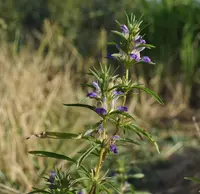
Blepharis linariifolia is a small, drought-tolerant subshrub from arid and semi-arid regions of northeastern Africa and parts of the Arabian Peninsula. It belongs to the acanthus family and often grows in rocky or sandy habitats.
Plants form low, branching clumps with narrow, linear leaves and short spikes of pale to bluish flowers, giving a fine, airy texture. Its natural adaptation to harsh, dry conditions makes it relatively resilient but less suited to very humid or waterlogged environments.
Those who want to learn how to care for Blepharis linariifolia should note its preference for strong light, good drainage, and modest but regular moisture during active growth.

Care Difficulty
Moderate Care

Light Preference
Full Sun

Water Requirements
Moderate Water

Temperature Preference
Warm Climate

Hardiness Zone
Unknown

Soil Texture
Sandy, Loamy

Soil pH
Slightly acidic (6.5–7.0), Neutral (7.0)

Soil Drainage
Well-drained

Fertilization
Minimal (feed rarely)
Scan your plant to receive care tips personalized for your specific plant
Available on iOS and Android
This sun-loving shrub needs strong light but can adapt slightly to seasonal shifts.
This species prefers drying cycles between waterings rather than constantly wet soil.
This plant is adapted to warm, semi-arid to arid conditions with mild winters.
This species tolerates relatively dry air but benefits from moderate humidity.
Provide fast-draining, mineral-lean soil that mimics a light, sandy habitat.
This species is suitable for container growing when drainage and root space are managed carefully.
This dryland shrub generally grows well in lean soil and needs only light feeding in cultivation.
Pruning is mainly used to keep this small shrub tidy and encourage dense new shoots.
This species is more often grown in the ground, but container plants may need transplanting as they mature.
Propagation is usually done from seed, with cuttings sometimes used in suitable warm conditions.
This warm-climate shrub has low frost tolerance and benefits from simple winter precautions in cooler regions.

Plant Health Check
Not sure what's wrong with your plant? Check your plant's health inside the app.
This species is native to the dry Sudanian and Sahel zones of Africa, where it typically grows in open woodland, savanna, and grassland on well-drained, often sandy or stony soils.
Its inflorescences bear rigid, often spiny or hooked bracts that help protect the flowers and developing seeds from grazing animals in open rangeland habitats.
In its native range it behaves as a short-lived perennial or subshrub that flushes into active growth and flowering with the rainy season, then endures the long dry period through drought-tolerant tissues and reduced leaf area.
This species is typically a short-lived perennial in warm, frost-free climates but may behave as an annual where winters are cooler or drier. In cultivation, it often persists several seasons if protected from severe cold and prolonged drought.
Keep your plants happy and healthy with plant identification, disease detection, and easy care guidance.