Slug barrier setup
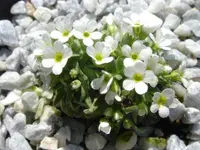
Install a 5–8 cm band of coarse gravel or crushed stone around the clump in early spring to reduce slug and snail damage on emerging shoots and leaves.

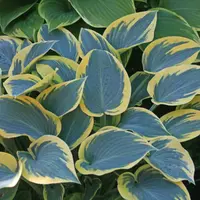
Hosta 'First Frost' is a shade-loving perennial grown mainly for its foliage rather than its flowers. It forms low, mounded clumps that slowly expand over time. Leaves are blue-green with creamy yellow to white margins that brighten as the season progresses, giving strong visual contrast in garden beds or containers.
In summer, tall scapes carry pale lavender, bell-shaped flowers above the foliage. Hosta species originate from woodland habitats in East Asia, so this cultivar prefers cool roots, consistent moisture, and rich, well-drained soil. These traits make it forgiving for many gardens, especially once you understand how to care for Hosta in shaded areas.

Care Difficulty
Easy Care

Light Preference
Partial Shade

Water Requirements
Regular Water

Temperature Preference
Cold Hardy

Hardiness Zone
3–9

Soil Texture
Loamy, Silty, Organic-rich

Soil pH
Acidic (5.5–6.5), Slightly acidic (6.5–7.0)

Soil Drainage
Moist but well-drained

Fertilization
Light (every 4–6 weeks)
Scan your plant to receive care tips personalized for your specific plant
Available on iOS and Android
This shade-tolerant perennial performs best with bright, gentle light rather than intense sun.
This plant prefers consistently moist but not saturated soil, especially during active growth.
This hardy perennial tolerates a wide temperature range but grows best in moderate conditions.
This cultivar handles a wide humidity range and usually does not need special adjustment outdoors.
Hosta 'First Frost' prefers consistently moist, organic-rich, well-structured soil.
This shade perennial grows reliably in containers when moisture and root space are well managed.
This cultivar benefits from modest, consistent feeding during the active growing season.
Pruning Hosta 'First Frost' is mainly about hygiene and keeping clumps neat.
This hosta is usually grown in the ground but can be divided and transplanted when overcrowded or rootbound.
Division is the standard and most reliable way to increase Hosta 'First Frost' while keeping the cultivar true.
This hardy hosta tolerates freezing winters, so routine care is minimal in most climates.

Plant Health Check
Not sure what's wrong with your plant? Check your plant's health inside the app.
This cultivar originated as a sport, or spontaneous mutation, of Hosta 'Halcyon', selected for its more pronounced variegation and stronger seasonal color contrast.
Its leaves emerge with bright yellow margins in spring that gradually cool to creamy white by late summer, giving the plant a changing appearance through the growing season.
It received the American Hosta Growers Association Hosta of the Year award in 2010, recognizing its combination of garden performance, distinctive foliage, and broad adaptability.

Mature clumps can form dense, low mounds of overlapping leaves that are valued in breeding and display gardens as a benchmark reference for evaluating variegated blue-leaved hosta cultivars.
Brown, crisp edges usually result from dry soil, low humidity, excess sun, or fertilizer burn. Check moisture, reduce afternoon sun, flush any built-up salts, and add mulch to keep the root zone evenly moist.
Keep your plants happy and healthy with plant identification, disease detection, and easy care guidance.