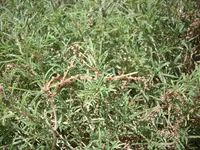
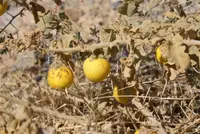
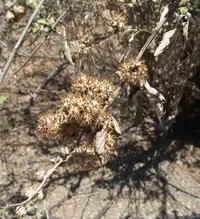
silver bur ragweed Care (Ambrosia chamissonis)

Also known as: silver beachweed, beach bur-sage
silver bur ragweed

About silver bur ragweed

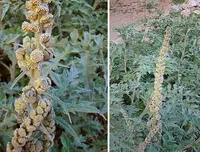
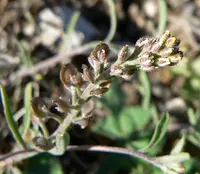
Silver bur ragweed, Ambrosia chamissonis, is a low, spreading perennial herb native to Pacific coastal dunes and sandy beaches in North America. It forms dense, trailing mats with gray-green, finely divided foliage that often looks softly hairy.

This plant is adapted to wind, salt spray, and shifting sands, which makes it a tough groundcover in coastal conditions. Its resilience and low water needs can simplify how to care for silver bur ragweed, but it prefers full sun and well-drained, sandy soil.

Main Plant Requirements

Care Difficulty

Easy Care

Light Preference

Full Sun

Water Requirements

Low Water

Temperature Preference

Cold Hardy

Hardiness Zone

6–10

Soil Texture

Sandy, Loamy, Rocky

Soil pH

Slightly acidic (6.5–7.0), Neutral (7.0)

Soil Drainage

Well-drained

Fertilization

Minimal (feed rarely)

Get Personalized Care Plan

Scan your plant to receive care tips personalized for your specific plant

Available on iOS and Android

How to Care for the silver bur ragweed

Ambrosia chamissonis grows best in bright, open coastal conditions with strong sun exposure.

  • Provide 6–8 hours of direct sun daily; full sun promotes dense, low growth and stronger stems.
  • Plant in sites with morning to mid-afternoon sun; light afternoon shade is tolerated, especially inland where summers are hot.
  • Silver bur ragweed withstands intense coastal sun and wind but may show leaf scorch in very hot, dry inland sites if reflected heat is high.

This coastal species prefers sandy, fast-draining soils and is adapted to low to moderate moisture.

  • Water only when the top 3–5 cm of soil is fully dry; deep but infrequent watering encourages a deep root system.
  • Reduce watering in cool or rainy seasons; in summer droughts, monitor for wilting or dull, folding leaves as a sign to water.
  • Ensure excellent drainage; persistent wet soil, yellowing foliage, and soft stems often indicate overwatering in Ambrosia chamissonis.

This species is adapted to mild coastal climates with cool to warm temperatures and limited frost.

  • Optimal growth occurs around 55–75°F (13–24°C), typical of many coastal zones with moderate seasonal variation.
  • Tolerates brief dips near 25–30°F (-4 to -1°C) once established, but young plants are more vulnerable to hard freezes.
  • Handles summer heat up to about 90°F (32°C) if soil is not waterlogged; prolonged hard frost can damage stems and reduce vigor.

Humidity is rarely a limiting factor for Ambrosia chamissonis, which handles a wide range of air moisture levels.

  • Performs well at 30–60% humidity, matching typical coastal and household conditions.
  • Tolerates dry air without special measures as long as soil moisture is appropriate.
  • Shows humidity stress mainly as overall drought stress, with crisping leaf tips from underwatering rather than low air moisture.

Ambrosia chamissonis prefers loose, fast-draining, sandy soil that mimics its native coastal habitat.

  • Use a sandy mix such as 60–70% coarse sand with the rest non‑peat compost or garden loam to maintain structure and aeration.
  • Ensure very sharp drainage, since waterlogged or compacted soil quickly damages roots and encourages rot.
  • Aim for slightly acidic to neutral pH around 6.0–7.5, avoiding strongly acidic or alkaline conditions that reduce nutrient availability.
  • Improve drainage in heavier soils by incorporating coarse sand or fine gravel rather than large amounts of water‑retentive organic matter.

This species can be grown in containers, though it prefers conditions that mimic its sprawling coastal habit.

  • Choose a wide, low pot that allows lateral spread of roots and stems, which stabilizes the plant against wind exposure on patios or balconies.
  • Use a very fast-draining, sandy substrate in containers to prevent chronic wetness around the root zone after rainfall or heavy watering.
  • Select heavier clay or concrete pots in exposed locations to reduce the risk of toppling as stems extend and become unevenly weighted.

Ambrosia chamissonis is a coastal native adapted to nutrient-poor soils, so fertilizer use should stay minimal.

  • If growth is weak in very poor sand, apply a light dressing of compost or well-rotted organic matter in early spring.
  • For container plants, use a balanced slow-release fertilizer or diluted balanced liquid feed at 1/2 strength every 6–8 weeks during active growth.
  • Avoid feeding in late fall and winter, when growth slows, to prevent weak, frost-sensitive shoots.
  • Monitor foliage color and vigor; adjust feeding only if plants appear pale or stunted despite adequate light and water.

Pruning Ambrosia chamissonis is mainly done to manage spread and remove damaged material in coastal plantings.

  • Best time is late winter to early spring before strong new growth begins.
  • Use clean hand pruners to remove dead, diseased, or storm-damaged stems back to healthy tissue.
  • Thin crowded, leggy shoots to open the plant, improving air flow and maintaining a low, spreading shape.
  • Lightly tip back overly long runners after flowering to limit spread without removing too much foliage at once.

This species is usually grown in the ground as a coastal stabilizer, so focus on careful transplanting rather than frequent repotting.

  • Transplant in early spring or early fall when temperatures are mild and soil is moist but not waterlogged.
  • Choose a sandy, well-drained site and disturb roots as little as possible; gently tease apart only tightly circling container roots.
  • Water thoroughly after planting, then keep soil slightly moist for several weeks to reduce transplant shock.
  • Once established, plants rarely need moving; repeated transplanting can weaken the root system and reduce vigor.

Ambrosia chamissonis is commonly propagated by seed and vegetative pieces taken from spreading stems.

  • Sow fresh seed in late fall or early spring in sandy, well-drained soil, keeping the surface lightly moist until germination.
  • For stem cuttings, take semi-ripe, non-flowering pieces in late spring to summer and insert into a gritty, fast-draining mix.
  • Maintain bright, indirect light and moderate humidity; avoid waterlogged conditions to prevent rot while roots form.
  • In established patches, small rooted sections along runners can be lifted and replanted during cool, moist weather.

Established plants are usually cold hardy in mild coastal climates and often need little targeted winter care.

  • In regions with occasional light frost, a 5–8 cm layer of loose mulch around the root zone helps buffer temperature swings.
  • Container-grown plants in colder areas can be moved to a sheltered, unheated but frost-free spot for winter.
  • Avoid heavy pruning in late fall so stems help insulate lower growth, then tidy up dead material in early spring.

Care Tips

Sand stabilization

When establishing young plants on dunes, lightly mound sand around the base and partially bury low stems to encourage additional rooting and help stabilize shifting coastal soils.

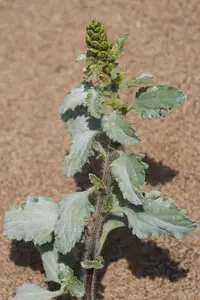
Salt spray hardening

In exposed coastal sites, gradually move container-grown plants closer to direct ocean wind over 2–3 weeks so foliage can acclimate to salt spray without sudden burn or dieback.

Low wind barriers

Use low, porous windbreaks such as short sand fences or brush piles upwind of new plantings to reduce sand blasting and moisture loss while still allowing adequate airflow.

Patch expansion management

Periodically trim back or remove outer rooted stems in spreading colonies to keep pathways clear and prevent this vigorous groundcover from overtaking neighboring low-growing natives.

Seed bank renewal

Allow a portion of mature flower heads to dry and shed in place each year so the natural seed bank is refreshed, improving long-term stand resilience when growing silver bur ragweed in coastal restoration settings.

Common Pests and Diseases

Rust fungus

This disease causes small orange, brown, or yellow pustules on leaves and stems, often on plants in moist, cool coastal sites. Symptoms include reduced vigor and early leaf drop if infection is heavy.

Solution

Remove and discard affected leaves and stems, avoid overhead watering, and improve airflow around the plant. In high‑value restoration or ornamental plantings, a sulfur or copper‑based fungicide can be used preventively where rust has been a recurring problem, always following local coastal-use guidelines.

Downy mildew

This disease produces pale or yellow patches on the upper leaf surface with grayish or white downy growth underneath, favored by cool, humid marine layers. Symptoms include leaf distortion and a general decline in growth when infections are severe.

Solution

Space plants for good air movement and water at soil level so foliage dries quickly. Remove and destroy heavily infected leaves, and use a phosphorus acid or copper‑based product labeled for downy mildew if conditions remain persistently humid and disease pressure is high.

Coastal aphids

These insects cluster on young stems and leaf undersides, sucking sap and excreting sticky honeydew that can lead to sooty mold. This pest may cause curling or distortion of new growth but usually does not kill established plants.

Solution

Spray colonies off with a firm stream of fresh water and encourage natural predators such as lady beetles by avoiding broad‑spectrum insecticides. For persistent infestations on garden or restoration stock, apply insecticidal soap or a light horticultural oil, coating undersides of leaves and soft stems thoroughly.

Spider mites

These pests appear in hot, dry spells, causing fine stippling, bronzing, and a dusty look on foliage, sometimes with fine webbing between leaves and stems. This pest favors stressed plants growing away from direct coastal spray or in sheltered, reflective sites.

Solution

Increase humidity around plants by gentle hosing and rinse foliage regularly to dislodge mites. If damage continues, use insecticidal soap or a horticultural oil directed to the leaf undersides, and reduce heat stress by mulching the soil surface and avoiding reflected heat where possible.

Leaf spot complex

Symptoms include irregular tan, brown, or dark spots on leaves, sometimes with a yellow halo, often appearing during extended damp periods. This disease is usually caused by a mix of opportunistic fungi taking advantage of wet foliage and dense growth.

Solution

Prune to thin dense patches so leaves dry quickly, avoid overhead irrigation, and remove fallen infected leaves from around the plants. In nursery or high‑value coastal installations, a broad‑spectrum fungicide labeled for foliar leaf spots may be used according to label directions if cultural measures do not limit spread.

Interesting Facts

Pacific dune stabilizer

This coastal ragweed forms low, spreading mats on Pacific sand dunes, where its extensive root and rhizome system helps bind loose sand and reduce erosion along the shoreline.

Salt and spray tolerant

The species is naturally adapted to ocean-front conditions and tolerates salt spray, sandy soils, and periodic burial by shifting sand, making it a characteristic plant of upper beaches and foredunes.

Late-season pollen source

It flowers in late summer to fall and produces wind-dispersed pollen that can contribute to coastal hay fever, especially near beaches and dune systems where it grows abundantly.

Botan icon

Did you know?

The foliage of this species is covered with short, silvery hairs that reflect sunlight and reduce water loss, giving the plant a characteristic gray-green appearance that helps it survive intense sun and drying winds on exposed ocean shores.

FAQs about silver bur ragweed

This species spreads laterally by creeping stems and can form wide, dense patches over time, especially in sandy coastal soils. In managed gardens, edging, barriers, and periodic thinning help keep its spread within the desired area.

Grow Healthy Plants with Botan Care

Keep your plants happy and healthy with plant identification, disease detection, and easy care guidance.

Botan plant care app — identify plants on mobile

Explore More Plants