Staggered Succession Sowing
Sow small batches every 2–3 weeks through the warm season so flowering and foliage stay fresh and productive instead of the whole planting aging at once.

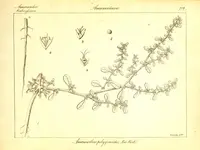
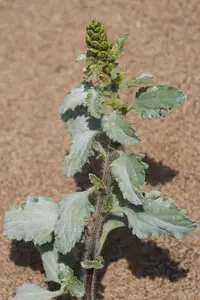
Tropical amaranth (Amaranthus polygonoides) is a low, spreading annual herb from warm regions of the Americas, often found in disturbed soils, fields, and open sites. It tends to form mats or loose clumps, with many branching stems and small, simple leaves.
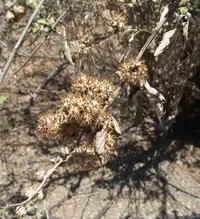
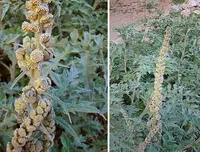
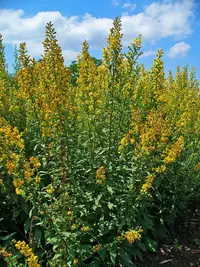
The plant produces tiny clustered flowers that are more noticeable as textured spikes than for showy color. It grows fast, self-seeds readily, and can behave like a weed in suitable climates.
For those who want to care for tropical amaranth, it generally prefers full sun, warmth, and well-drained soil, and it tolerates short dry periods once established.

Care Difficulty
Easy Care

Light Preference
Full Sun

Water Requirements
Moderate Water

Temperature Preference
Warm Climate

Hardiness Zone
9–11

Soil Texture
Sandy, Loamy, Organic-rich

Soil pH
Slightly acidic (6.5–7.0), Neutral (7.0)

Soil Drainage
Well-drained

Fertilization
Minimal (feed rarely)
Scan your plant to receive care tips personalized for your specific plant
Available on iOS and Android
This low, sprawling annual prefers strong light for compact, healthy growth in warm climates.
This species prefers evenly moist, well-drained soil and does not tolerate prolonged saturation.
This warm-season annual grows best in consistently mild to hot conditions without frost.
This species tolerates a wide humidity range but grows best with moderate ambient moisture.
Amaranthus polygonoides prefers light, well-drained soil that stays evenly moist but not waterlogged.
This species grows reliably in containers when the pot and substrate are chosen to prevent waterlogging and tipping.
This species is low-demand but responds to light feeding in poor or heavily drained soils.
Pruning Amaranthus polygonoides is mainly used to manage size and encourage bushier growth.
This annual-type plant is usually direct-sown, but young container plants or seedlings transplant well with care.
Seed is the primary and most practical method for multiplying this species.
This plant behaves as a frost-sensitive annual in most climates and generally does not overwinter outdoors.

Plant Health Check
Not sure what's wrong with your plant? Check your plant's health inside the app.
This species forms low, mat-forming patches that creep along the ground, rooting at stem nodes and quickly filling bare, sandy or disturbed soil surfaces in coastal and inland habitats.
It naturally occurs on beaches, dunes, and saline flats in the Caribbean and parts of tropical America, showing notable tolerance to salt spray and sandy, nutrient-poor substrates.
Unlike many ornamental amaranths with large showy plumes, this species produces small, inconspicuous flower clusters along its stems, which still yield abundant tiny seeds typical of the amaranth family.
Yes, the young leaves and tender shoots are considered edible in many regions when cooked. They are typically used as leafy greens. Always avoid plants exposed to roadside pollution, pesticides, or herbicides before harvesting for food.
Keep your plants happy and healthy with plant identification, disease detection, and easy care guidance.