applecactus Care (Harrisia pomanensis)

Also known as: Midnight-Lady
applecactus

About applecactus

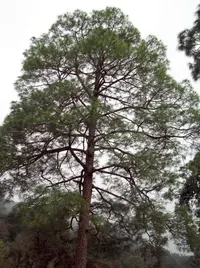
Applecactus, Harrisia pomanensis, is a columnar cactus native to dry regions of South America, especially parts of Bolivia, Paraguay, and northern Argentina. It forms tall, ribbed stems with sharp spines and can branch to create thicket-like clumps outdoors.

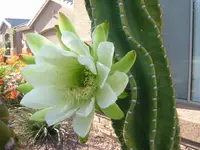
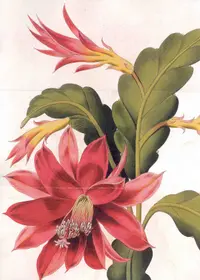
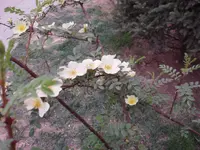
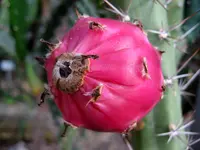
This species produces large, showy, night-blooming white flowers followed by colorful, edible fruits that attract wildlife. Its drought tolerance and slow to moderate growth rate usually make it manageable for home growers.

Applecactus prefers strong light, low to moderate moisture, and very well-drained, gritty soil. These traits mean it is generally straightforward to grow once you understand how to care for applecactus.

Main Plant Requirements

Care Difficulty

Easy Care

Light Preference

Full Sun

Water Requirements

Low Water

Temperature Preference

Warm Climate

Hardiness Zone

9–11

Soil Texture

Sandy, Loamy, Rocky

Soil pH

Slightly acidic (6.5–7.0), Neutral (7.0)

Soil Drainage

Well-drained

Fertilization

Minimal (feed rarely)

Get Personalized Care Plan

Scan your plant to receive care tips personalized for your specific plant

Available on iOS and Android

How to Care for the applecactus

This cactus needs strong light to form sturdy, upright stems and regular flowering.

  • Provide 6–8 hours of direct sun daily, ideally with morning sun and some light afternoon shade in very hot, arid regions.
  • Plant in an open, unshaded spot outdoors; applecactus tolerates brief partial shade but may grow thin and pale if light falls below about 4 hours of direct sun.
  • Acclimate plants gradually when moving from shade to full sun to prevent sunburn, especially in late spring and early summer.

Watering should mimic an arid climate with brief soakings and long dry intervals.

  • In active growth, water only when the top 3–5 cm of soil are completely dry, then soak thoroughly and let excess drain away.
  • Use very fast-draining, gritty soil; persistent dampness around the roots is a key cause of rot in Harrisia pomanensis.
  • Reduce watering sharply in cool seasons, watching for slight skin wrinkling as a cue to water, and avoid swollen, soft stems, which signal overwatering.

Stable warmth supports strong growth and flowering while cold tolerance remains limited.

  • Aim for 70–90°F (21–32°C) during the growing season for best stem growth and flower production.
  • Protect the plant from frost; it is usually damaged below about 28°F (-2°C) and should be kept above 40°F (4°C) if possible.
  • In hot spells over 100°F (38°C), provide airflow and light afternoon shade to reduce heat stress and prevent sunscald on exposed stems.

This cactus tolerates a wide humidity range and rarely needs special humidity care indoors.

  • Keep humidity around 30–50%, similar to typical heated or air-conditioned rooms.
  • Plant tolerates dry air well; wrinkling stems usually indicate underwatering, not low humidity.
  • If air drops below 25% and tips shrivel, place the pot on a pebble tray with water below the pot base.

Use a fast-draining, mineral-rich mix that mimics rocky desert soil for Harrisia pomanensis.

  • Choose a gritty, sandy substrate with coarse particles so water runs through within seconds after watering.
  • Aim for slightly acidic to neutral pH around 6.0–7.0, which supports balanced nutrient uptake in cacti.
  • Blend roughly 40% cactus potting mix with 30% coarse sand and 30% pumice or perlite to increase aeration.
  • Avoid dense, peat-heavy or clay soils that stay wet for more than 1 day, which encourages root rot.

This species is well suited to container growing due to its upright, moderately fast growth.

  • Select a deep, heavy pot that prevents tipping as stems elongate and become top-heavy.
  • Choose unglazed terracotta if extra evaporation is needed, since it dries the mix faster than plastic or glazed ceramic.
  • Ensure drainage holes are wide and unobstructed so collected salts from hard water can flush out easily during watering.

Harrisia pomanensis benefits from light, well-timed feeding but tolerates lean soils like many desert cacti.

  • Use a diluted balanced cactus fertilizer (for example 10-10-10 or 5-10-10) at 1/2–1/4 strength during active growth.
  • Feed every 4–6 weeks in spring and summer for healthy stem growth and flowering when caring for applecactus.
  • Avoid rich compost or heavy organic feeds that hold excess moisture around the roots.
  • Stop fertilizing in fall and winter to allow proper dormancy and reduce rot risk.

Harrisia pomanensis needs only occasional structural pruning to manage size and remove damaged growth.

  • Carry out pruning in late spring or early summer once active growth is clear.
  • Remove dead, shriveled, frost-damaged, or rubbing stems back to a healthy joint.
  • Thin overcrowded branches to improve light penetration and airflow through the plant.
  • Use clean, sharp pruners or a serrated knife, allowing cut surfaces to dry and callus.

Container-grown Harrisia pomanensis benefits from infrequent but careful repotting to maintain root health.

  • Check for roots circling the pot, emerging from drainage holes, or unexplained slow growth as signs it needs more space.
  • Plan to repot every 2–4 years in late spring, when temperatures are steadily warm.
  • Choose a pot 2–5 cm wider with fast-draining cactus mix, keeping the root ball largely intact.
  • Let roots dry for 1–2 days after repotting before light watering to limit transplant shock and rot.

Harrisia pomanensis is commonly propagated by stem cuttings or seeds under warm, bright conditions.

  • Take 10–15 cm stem cuttings in late spring or summer, then air-dry 5–10 days until cut ends callus.
  • Plant cuttings upright in a gritty cactus mix, keep slightly moist, and provide bright, indirect light for rooting.
  • Sow seeds on the surface of a sterile, sandy mix, lightly press in, and keep at 70–80°F with gentle moisture.
  • Improve success by avoiding direct midday sun on new material and maintaining good air circulation to prevent rot.

Harrisia pomanensis is frost sensitive and needs protection in regions with cold winters.

  • Maintain temperatures above 40°F; prolonged freezing can scar or kill stems.
  • Move container plants indoors or into an unheated but frost-free greenhouse before the first hard frost.
  • Keep soil almost dry in winter, giving only minimal water to prevent shriveling.
  • In mild climates, add a light gravel mulch around the base to insulate roots from brief cold snaps.

Care Tips

Sturdy support stakes

Install a rigid stake or narrow trellis early and loosely tie the column with soft garden ties every 15–20 cm to prevent tall stems from snapping under their own weight or in strong wind.

Gradual sun hardening

When moving a plant from indoors or shade to full sun, increase light exposure by 30–60 minutes every few days to avoid corky sunburn patches on the ribs.

Nighttime pollination aid

If fruiting is desired, hand‑pollinate open night flowers using a small, clean brush between different stems or plants, as this species is more productive with cross‑pollination.

Raised pot placement

Stand containers on pot feet, bricks, or a wire rack outdoors so excess water drains quickly and air circulates under the pot, lowering the risk of root and stem rot.

Targeted mealybug checks

Inspect areoles and narrow rib crevices every few weeks with a hand lens and dab any mealybugs with cotton swabs dipped in 70% isopropyl alcohol, which is a precise and effective approach when caring for applecactus.

Common Pests and Diseases

Mealybugs

This pest often hides in the ribs and areoles of the cactus, sucking sap and causing yellowing and weak, stunted growth. Symptoms include cottony white clusters in crevices, sometimes accompanied by sticky honeydew and sooty mold.

Solution

Isolate the plant, then dab visible insects with cotton swabs dipped in 70% isopropyl alcohol and repeat weekly until no new clusters appear. For heavier infestations, rinse the stems with a firm stream of water, improve airflow and light, and use a systemic insecticide labeled for cacti if physical removal is not sufficient.

Red spider mites

These insects thrive on Harrisia stems in hot, dry conditions, causing a dull, bronzed surface and fine webbing along ribs and areoles. Symptoms include tiny yellow speckling that can progress to a gray, roughened epidermis.

Solution

Increase humidity around the plant without wetting the soil surface, then rinse stems thoroughly with lukewarm water to remove mites and webs. Repeat washes every few days and, if needed, apply a horticultural oil or insecticidal soap labeled for mites, ensuring good coverage in rib grooves and around areoles.

Scale insects

This pest appears as small, hard, brown or gray bumps attached firmly to the stems, especially on shaded sides or older segments. Symptoms include localized yellowing, slow growth, and sticky honeydew that can attract ants.

Solution

Manually scrape or pry off scales with a soft brush or fingernail, then wipe stems with a cloth lightly moistened with 70% isopropyl alcohol. Monitor for several weeks and use a systemic insecticide suitable for succulents if new scales continue to appear, while keeping the plant in bright, well-ventilated conditions as part of broader Harrisia pomanensis plant care.

Fusarium stem rot

This disease usually enters through wounds or insect damage, leading to soft, sunken, brown to reddish lesions that may spread along the rib. Symptoms include collapsing tissue and sometimes a pinkish or whitish fungal growth in advanced cases.

Solution

Immediately cut out all affected tissue back to healthy, firm, green tissue with a sterile knife, then allow the wound to dry and callus in a bright, dry location before any replanting. Discard severely infected plants, avoid overhead watering, keep tools clean, and protect stems from mechanical injury and insect damage to reduce future infections.

Bacterial soft rot

This disease causes rapidly spreading, mushy, foul-smelling areas on stems, often starting at a small wound or waterlogged spot. Symptoms include tissue that turns dark, collapses, and can ooze liquid when pressed.

Solution

Remove the plant from its pot and cut away all soft, discolored tissue well into healthy, firm tissue, sterilizing the blade between cuts. Allow remaining healthy sections to dry for several days in warm, airy, shaded conditions before re-rooting in fresh, dry, gritty cactus mix, and adjust watering to stay light and infrequent to prevent recurrence.

Interesting Facts

Nocturnal flower visitor

Its white, night-blooming flowers are pollinated mainly by nocturnal insects and possibly moths, which are attracted by the pale color and scent in low-light conditions.

Spiny bird perch

The long, stout spines and upright stems create sheltered perches and nesting support for small birds in its native South American habitats, adding structural complexity to open scrub and dry forest edges.

Fruit for wildlife

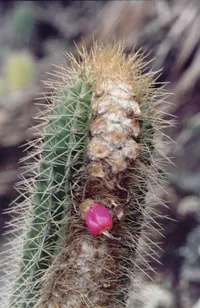
It produces fleshy, often reddish fruits that are eaten by birds and other animals, which then disperse the seeds and help the cactus colonize new sites in the landscape.

FAQs about applecactus

Lack of flowering is usually caused by insufficient light, a pot that is too small, or the plant being too young. Cool, dry rest periods and strong sun help trigger bud formation on mature, healthy stems.

Grow Healthy Plants with Botan Care

Keep your plants happy and healthy with plant identification, disease detection, and easy care guidance.

Botan plant care app — identify plants on mobile

Explore More Plants