prairie fameflower Care (Phemeranthus rugospermus)

Also known as: Sand Fameflower
prairie fameflower

About prairie fameflower

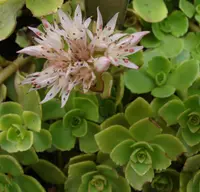
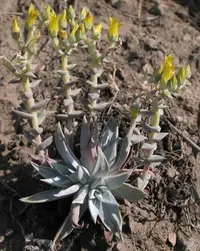
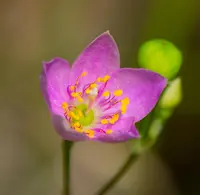
Prairie fameflower, Phemeranthus rugospermus, is a small, short-lived perennial succulent adapted to dry, sandy habitats. It forms low mats or clumps with narrow, fleshy leaves and delicate pink to magenta starry flowers that open mainly in the afternoon.

This species is native to open sand prairies and barrens in parts of the central United States, where it thrives in full sun and well-drained, nutrient-poor soils. Its drought tolerance and minimal foliage make it relatively low-maintenance but sensitive to overwatering and heavy, compacted substrates. Gardeners who care for prairie fameflower need to provide strong light and sharply draining soil to mimic its natural conditions.

Main Plant Requirements

Care Difficulty

Moderate Care

Light Preference

Full Sun

Water Requirements

Low Water

Temperature Preference

Cold Hardy

Hardiness Zone

4–8

Soil Texture

Sandy, Rocky, Loamy

Soil pH

Slightly acidic (6.5–7.0), Neutral (7.0)

Soil Drainage

Well-drained

Fertilization

Minimal (feed rarely)

Get Personalized Care Plan

Scan your plant to receive care tips personalized for your specific plant

Available on iOS and Android

How to Care for the prairie fameflower

This sun-loving succulent thrives in open, exposed sites with strong light.

  • Provide 6–10 hours of direct sun daily; full sun promotes compact growth and abundant flowers in prairie fameflower.
  • Tolerates light afternoon shade in hotter regions, but dense shade leads to stretched, weak stems and sparse blooming.
  • Choose an open southern or western exposure; in summer, monitor for leaf scorch on highly reflective sites such as gravel or rock beds.

This species is highly drought-tolerant and prefers dry, fast-draining conditions.

  • Water only when the soil is completely dry at least 5–8 cm deep, then soak thoroughly and allow full drainage.
  • During cool, dormant seasons, reduce watering sharply; natural rainfall is often sufficient for in-ground Phemeranthus rugospermus.
  • Watch for shriveling leaves as a mild underwatering sign; soft, yellowing, or translucent tissue usually indicates overwatering and possible root rot.

This hardy perennial is adapted to hot summers and cold winters in its native range.

  • Active growth is best at 70–90°F (21–32°C), with good performance in typical warm summer conditions.
  • Established plants tolerate brief lows near -20°F (-29°C) in well-drained soil but young plants are more vulnerable to freeze-thaw cycles.
  • Handles dry heat above 95°F (35°C) if roots stay dry; avoid siting in low, wet spots where cold, saturated soil increases winter kill.

Humidity is rarely a limiting factor for prairie fameflower, which prefers dry air.

This species needs very fast-draining, lean soil that stays dry between waterings.

  • Use a sandy or gravelly mix with minimal organic matter, mimicking a rocky, nutrient-poor habitat.
  • Blend roughly 50–70% coarse sand or fine grit with 30–50% cactus mix to keep pores open and prevent compaction.
  • Target a slightly acidic to neutral pH around 6.0–7.0, avoiding strongly acidic or alkaline substrates.
  • Do not use heavy loam or peat-based mixes that stay wet, as they quickly lead to root rot and plant loss.

This species can be grown in containers if the pot and mix are chosen to keep roots dry and airy.

  • Choose a wide, shallow pot so the thin root system sits in a fast-drying layer rather than a deep, damp column of mix.
  • Use clay or unglazed terracotta to increase evaporation and reduce the risk of prolonged moisture around the roots.
  • Elevate the pot on feet or mesh so drainage holes stay clear and excess water runs off rapidly after rain or watering.

This nutrient-efficient North American native needs only light feeding in poor or very sandy soils.

  • Use a low-dose, balanced NPK granular or liquid fertilizer, or a thin topdressing of compost, in late spring as growth begins.
  • Apply at 1/2–1/4 the label rate to avoid soft, weak growth in Phemeranthus rugospermus.
  • Feed once, or at most twice, during the warm growing season if plants appear pale or flowering declines.
  • Do not fertilize in fall and winter, when plants are semi-dormant and nutrient demand is low.

Phemeranthus rugospermus needs minimal pruning, mainly to keep the clump tidy and flowering well.

  • Best time for light pruning is late winter or very early spring before new shoots emerge.
  • Snip off dead flower stems and remove any winter-killed or damaged foliage with clean, sharp scissors or hand pruners.
  • Thin out crowded, weak shoots at the base to maintain an open, airy habit and better airflow.
  • Avoid cutting into healthy, evergreen basal rosettes, since this can slow recovery and reduce blooms.

This species is best grown in the ground or long-term containers and dislikes frequent disturbance.

  • Transplant only when necessary, such as when the clump is overcrowded, growth slows, or roots circle a container drain hole.
  • Plan moves for early spring, just as new growth begins, to match active root regrowth and milder conditions.
  • Limit transplanting to every several years, using a very gritty, fast-draining mix or sandy bed mimicking dry, rocky sites.
  • Water lightly after transplanting, then allow the soil to dry between waterings to reduce root stress and rot risk.

This plant is most reliably propagated from seed, though division of small clumps is sometimes possible.

  • Collect ripe seeds in late summer and sow them in a very well-drained, sandy mix.
  • Provide bright light, good air movement, and only light moisture, since excess water reduces germination and seedling survival.
  • If dividing, do so in early spring, lifting small clumps carefully to keep roots and surrounding soil intact.
  • Replant divisions or seedlings at the same depth, then water sparingly until established in their new site.

This cold-hardy perennial generally needs little winter care in its suitable hardiness range.

  • Tolerates typical frost and snow once established, especially in sharply drained, sandy or gravelly soils.
  • In colder exposed sites, apply a light gravel or coarse sand mulch around the crown to improve drainage at the root zone.
  • For container plants, move pots to an unheated but sheltered spot to avoid repeated freeze–thaw cycles that damage roots.

Care Tips

Gravel Surface Mulch

Apply a 2–3 cm layer of coarse gravel or small grit around the crowns to keep the necks dry, reduce weed pressure, and mimic the natural sandy prairie habitat when growing prairie fameflower.

Protective Winter Cover

In colder or wetter climates, place a simple rain shield or cold frame lid over the planting area from late fall to early spring to limit freeze–thaw heaving and excess winter moisture around the roots.

Careful Weed Management

Hand-weed using a narrow trowel or hori-hori knife, inserting it vertically to slice roots rather than pulling, which helps avoid disturbing this species’ shallow, brittle root system.

Rock-Crevice Planting

Tuck plants into narrow, sun-exposed rock crevices or between stacked stones filled with sandy grit mix to improve drainage, reduce competition, and give stems support against wind and heavy rain.

Seed Self-Sowing Control

If natural reseeding is undesired, shear or pinch off spent flowers once petals drop but before seed capsules fully mature, preventing unwanted spread while still allowing a long bloom display.

Common Pests and Diseases

Spider mites

This pest may appear in hot, dry conditions on container-grown plants, causing stippled, pale foliage and fine webbing on stems and buds.

Solution

Rinse plants thoroughly with a firm stream of water, focusing on stems and flower stalks, then repeat every few days; for persistent infestations on prairie fameflower indoor care or in pots, use a horticultural oil or insecticidal soap labeled for mites and improve air movement around the plant.

Aphids

These insects cluster on young stems and flower stalks, sucking sap and causing distortion of buds and sticky honeydew deposits.

Solution

Pinch or rinse off colonies with water and remove heavily infested stems; if needed, treat remaining aphids with insecticidal soap or a light horticultural oil, applying in the early morning and avoiding very hot, direct sun immediately afterward.

Scale insects

This pest appears as small, fixed brown or tan bumps on stems, where insects feed on sap and may weaken stressed or container-grown plants.

Solution

Gently scrape off individual scales with a fingernail or cotton swab, then spot-treat remaining insects with horticultural oil; reduce plant stress by providing high light, fast-draining soil, and avoiding overfertilizing.

Leaf spot

This disease can develop in unusually wet periods or on overcrowded plants, causing small brown or purplish spots on the sparse foliage and sometimes premature leaf drop.

Solution

Remove and discard affected leaves and any fallen debris, then improve drainage and spacing so the plant dries quickly; avoid overhead watering, and if the problem recurs in a collection or nursery setting, use a labeled copper or chlorothalonil fungicide as a preventative spray during prolonged wet weather.

Interesting Facts

Sand‑specialist succulent

This species is native to the dry, sandy glades and barrens of the central United States, where it anchors itself in extremely thin, shifting soils that many other plants cannot tolerate.

Wrinkled seed texture

Its species name rugospermus refers to the distinctively rough, wrinkled surface of its seeds, a diagnostic feature botanists use to separate it from closely related fameflower species.

Ephemeral evening blooms

The small pink to magenta flowers often open later in the day and can be short‑lived, with individual blooms lasting only a brief time while the plant produces many flowers over the season.

FAQs about prairie fameflower

Lack of flowers often relates to insufficient light, nutrient‑rich or poorly drained soil, or overcrowding by taller plants. This species blooms best in lean, sandy, open sites that mimic its native, sunny barrens and outcrops.

Grow Healthy Plants with Botan Care

Keep your plants happy and healthy with plant identification, disease detection, and easy care guidance.

Botan plant care app — identify plants on mobile

Explore More Plants