Edge Containment
Install a shallow edging strip 5–8 cm deep around beds to prevent rhizomes from slowly creeping into lawns or paths and to keep clumps in a defined shape.

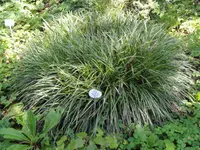
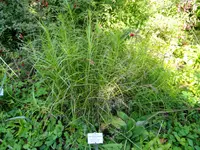
Morrow's sedge, Carex morrowii, is a cool-season ornamental grass-like plant valued for dense, arching clumps of narrow green or variegated leaves. It stays relatively low and forms tidy mounds that give steady structure in borders, along paths, or under shrubs.
This sedge is native to Japan, where it grows in woodland edges and moist, partially shaded sites. That background makes it well suited to gardens with dappled light and consistently moist, well-drained soil.
The plant is generally hardy, adaptable, and slow to spread, which makes it straightforward to maintain once established. Gardeners who learn how to care for Morrow's Sedge usually find it a reliable choice for shade and woodland-style plantings.

Care Difficulty
Easy Care

Light Preference
Partial Shade

Water Requirements
Keep Soil Moist

Temperature Preference
Cold Hardy

Hardiness Zone
5–9

Soil Texture
Loamy, Silty, Organic-rich

Soil pH
Acidic (5.5–6.5), Slightly acidic (6.5–7.0)

Soil Drainage
Moist but well-drained

Fertilization
Minimal (feed rarely)
Scan your plant to receive care tips personalized for your specific plant
Available on iOS and Android
This shade-tolerant sedge prefers bright, indirect light with protection from harsh midday sun.
This sedge prefers consistently moist, but not waterlogged, soil.
This cool-season sedge tolerates a wide temperature range but grows best in moderate conditions.
This sedge handles typical indoor humidity but benefits from slightly moist air.
Carex morrowii prefers consistently moist, well-drained, organic-rich soil.
This species is well suited to container growing outdoors on patios, balconies, or in mixed planters.
This sedge has modest nutrient needs, so focus on light, balanced feeding during the active growing season.
Pruning Carex morrowii focuses on tidying old foliage and maintaining a dense, attractive clump.
Container-grown or overgrown clumps benefit from transplanting to maintain vigor and control spread.
Division is the most reliable method for increasing plants and refreshing older Carex morrowii clumps.
This sedge is generally cold hardy and needs only minimal winter care in most temperate climates.

Plant Health Check
Not sure what's wrong with your plant? Check your plant's health inside the app.
This species is naturally evergreen in its native habitats of Honshu, Japan, holding its narrow leaves through mild winters and providing year‑round groundcover under open woodland and forest edges.
Carex morrowii shows good tolerance of air pollution, compacted soils, and de‑icing salts, which is why landscape designers in temperate cities often use it along paths, parking areas, and building foundations.
Several popular variegated ornamental sedges, such as 'Ice Dance' and 'Variegata', originated from this species, and their stable leaf striping has made Carex morrowii care a frequent topic in ornamental grass breeding programs.

In Japanese horticulture, forms of this sedge have long been grown in shaded courtyard and temple gardens, valued less for flowers than for the fine texture and subtle leaf patterns that create a calm, mosslike ground layer in low‑light spaces.
This species forms dense clumps and may slowly expand outward, but it is not typically aggressive. It can gently naturalize in favorable conditions, yet usually stays manageable with occasional division every few years.
Keep your plants happy and healthy with plant identification, disease detection, and easy care guidance.