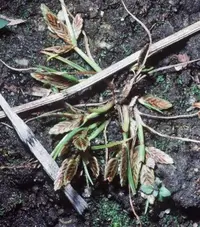
Sundari tree Care (Heritiera littoralis)

Also known as: Looking-glass mangrove
Sundari tree

About Sundari tree

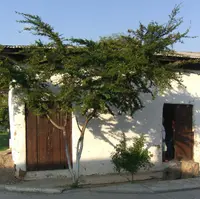
The Sundari tree, Heritiera littoralis, is a coastal evergreen tree best known from mangrove forests in South and Southeast Asia. It typically grows with a tall, straight trunk, buttressed roots, and a dense, rounded crown.

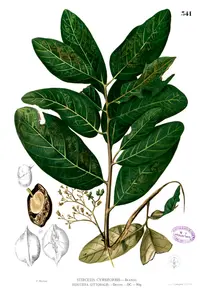
Leaves are thick, dark green above and pale or silvery beneath, giving the canopy a two-tone look in the wind. The tree produces small, pale flowers and distinctive woody, boat-shaped fruits.

In nature it occurs in tidal zones on muddy, saline, or brackish soils, where it tolerates flooding, wind, and salt exposure. Outside its native habitat, it is challenging to grow and requires warm, frost-free conditions, very moist soil, and space, so care for Sundari tree is usually best suited to experienced growers or specialized collections.

Main Plant Requirements

Care Difficulty

Moderate Care

Light Preference

Full Sun

Water Requirements

Regular Water

Temperature Preference

Tropical / Frost Sensitive

Hardiness Zone

11–12

Soil Texture

Sandy, Loamy, Organic-rich

Soil pH

Slightly acidic (6.5–7.0), Neutral (7.0)

Soil Drainage

Waterlogged tolerant

Fertilization

Minimal (feed rarely)

Get Personalized Care Plan

Scan your plant to receive care tips personalized for your specific plant

Available on iOS and Android

How to Care for the Sundari tree

This coastal tree prefers bright, warm conditions with filtered to partial sun exposure.

  • Provide 4–6 hours of direct morning sun plus bright, filtered light in the afternoon to reduce leaf scorch on young Sundari tree plants.
  • Allow light to medium partial shade, especially in hot climates, but avoid dense shade, which leads to sparse growth and fewer flowers or fruits.
  • In the hottest months, protect from harsh afternoon sun in exposed sites; in cooler seasons, slightly more direct sun supports stronger growth.

This species is naturally adapted to moist, coastal soils but still needs controlled watering in cultivation.

  • Aim for consistently moist but not waterlogged soil, letting the top 2–4 cm dry slightly before watering in well-drained ground.
  • Increase watering during hot, windy periods and active growth; reduce frequency in cooler seasons when evaporation slows and growth is slower.
  • Watch for yellowing, soft leaves or foul smell as signs of overwatering, and crisp, browning leaf edges or premature leaf drop as signs of underwatering in Heritiera littoralis.

This mangrove-associated tree thrives in warm, frost-free, tropical to subtropical climates.

  • Ideal growth occurs around 77–90°F (25–32°C), with stable warmth supporting strong canopy and root development.
  • Tolerates brief dips to about 50°F (10°C), but growth slows; exposure near 41°F (5°C) can cause leaf damage and long-term decline.
  • Heritiera littoralis is not frost tolerant, so protect from any freeze, and monitor young trees during heat waves above 95°F (35°C) to prevent stress.

This coastal mangrove species tolerates a wide humidity range but grows best in moderately humid air.

  • Aim for 50–70% humidity, similar to warm coastal conditions, for steady growth of the Sundari tree.
  • It copes with short dry spells, but very dry indoor air below 40% can slow growth and cause leaf-edge browning.
  • If air is dry, group plants, use a pebble tray, or place it in a naturally more humid outdoor or greenhouse zone.

Heritiera littoralis prefers loose, salty, coastal-style substrates that drain quickly yet hold some organic matter.

  • Use a sandy or sandy-loam mix with 30–50% coarse sand plus 20–30% organic matter such as compost or leaf mold.
  • Ensure very fast drainage; incorporate grit or fine gravel in the lower layer if rain or irrigation is heavy.
  • A slightly acidic to neutral pH around 6.0–7.0 suits this species; avoid highly alkaline mixes that can lock up nutrients.
  • Do not plant in compacted clay or waterlogged sites; improve aeration by working in coarse sand and chunky bark before planting.

This species can be grown in large containers when young or maintained as a small specimen in suitable climates.

  • Choose a deep, heavy pot that resists tipping, as the developing woody trunk and canopy become top-heavy in wind.
  • Use a coarse, sandy mix that drains rapidly, and elevate the container so drainage holes never sit in collected runoff.
  • Select light-colored containers in hot climates to reduce root-zone overheating and moisture loss from intense sun exposure.

Heritiera littoralis benefits from light, balanced nutrition in cultivation, especially in poor or sandy soils.

  • Use a balanced slow-release fertilizer (for example 10-10-10) or well-rotted compost at the start of the warm growing season.
  • Feed container or nursery trees every 6–8 weeks during active growth at half the label strength.
  • Reduce or stop feeding in cooler months when growth slows to prevent weak, elongated shoots.
  • Water thoroughly after applying fertilizer to move nutrients into the root zone and avoid salt buildup.

Heritiera littoralis responds well to light structural pruning to maintain a strong, balanced canopy.

  • Carry out main pruning in late dry season or early warm season, before vigorous new growth starts.
  • Remove dead, diseased, crossing, or storm-damaged branches first to improve safety and airflow.
  • Thin congested inner branches to admit more light and shape a stable central framework.
  • Use clean, sharp bypass pruners or a pruning saw, making smooth cuts just outside the branch collar.

This coastal tree is usually field-grown, so care focuses on transplanting young specimens rather than frequent repotting.

  • Transplant in warm, mild weather when soil is workable and night temperatures stay above 60°F.
  • Move plants when roots circle the pot, growth slows despite good care, or the rootball dries out very quickly.
  • Choose a slightly larger container or planting hole, using free-draining, sandy soil similar to the original medium.
  • Minimize root stress by keeping the rootball intact, watering deeply after planting, and shading temporarily if sun is intense.

Propagation of Heritiera littoralis is typically done from seeds, with cuttings used less often in practice.

  • Collect ripe, healthy seeds at the end of the fruiting season and sow soon after harvest.
  • Sow in a free-draining, sandy mix, keeping temperatures around 75–85°F and moisture evenly maintained, not waterlogged.
  • Provide bright, indirect light and gentle air movement to limit fungal issues while seedlings establish.
  • Transplant seedlings carefully once several true leaves form, avoiding damage to the developing taproot.

This tropical coastal tree is not frost hardy and needs protection in climates with cool or cold winters.

  • In frost-prone areas, grow Heritiera littoralis in large containers and move indoors or into a heated greenhouse before temperatures drop below 50°F.
  • Provide bright light and slightly drier soil in winter, avoiding cold drafts and sudden temperature swings.
  • In mild coastal climates, mulch 5–8 cm around the root zone to stabilize soil temperature and moisture.

Care Tips

Salt-tolerance management

If planting near brackish or coastal water, position trees slightly above the highest tide line and provide occasional freshwater flushing during long dry spells to limit excess salt accumulation in the root zone.

Buttress root protection

Keep heavy foot traffic, machinery, and paving away from the trunk flare and buttress roots, and maintain a wide, mulch-only zone to prevent soil compaction and mechanical damage.

Windward shaping

In exposed coastal sites, establish the dominant leader early and use temporary staking or windbreak fencing for young trees so the canopy develops a stable, wind-firm structure.

Soil anchoring strategy

On unstable or eroding banks, plant in staggered rows across the slope and interplant with other salt-tolerant natives to create a root network that stabilizes the soil over time.

Seedling establishment care

For caring for Sundari tree from seed, rinse collected propagules to remove excess salt, start them in deep containers with drainage, and transplant only once strong taproots and several side roots have formed to reduce transplant shock.

Common Pests and Diseases

Defoliating moth caterpillars

This pest feeds on young foliage, causing irregular holes and sometimes near-complete defoliation of new flushes on coastal trees. Symptoms include chewed leaf margins, skeletonized leaf blades, and frass pellets on lower leaves or the soil surface.

Solution

Handpick and destroy visible caterpillars on small trees, and prune heavily infested shoots. For larger or plantation trees, encourage natural predators like birds, and if damage is severe, use a targeted biological product containing Bacillus thuringiensis (Bt) applied in the late afternoon to young foliage, following label directions carefully.

Leaf spot fungi

This disease causes circular to irregular brown or dark purplish spots on leaves, often with pale centers and yellow halos, especially in humid, shaded coastal sites. Symptoms include premature yellowing and drop of older leaves when infections are heavy.

Solution

Remove and dispose of fallen and heavily spotted leaves to reduce spore spread, and avoid overhead watering that keeps foliage wet for many hours. Improve air movement around the canopy, reduce crowding of seedlings, and in nursery or high-value situations use a copper-based fungicide at the first sign of new spots, repeating only as needed according to product instructions.

Scale insects

These insects attach firmly to twigs and leaf undersides, appearing as small, dome-shaped or oval bumps that exude sticky honeydew. Symptoms include sooty black mold growing on the honeydew, reduced vigor, and sometimes yellowing leaves on stressed Sundari trees.

Solution

Gently scrub or wipe infested twigs and leaves with a soft cloth or sponge dipped in mild soapy water, then rinse with clean water. For heavier infestations, apply horticultural oil to thoroughly coat stems and leaf undersides, targeting crawler stages and repeating after 7–14 days if needed, while monitoring for beneficial insects.

Termite attack

These insects can tunnel into lower trunks, exposed roots, or dead wood in coastal plantings, especially where trees are stressed or wounded. Symptoms include mud tubes along the bark, hollow-sounding wood, and localized dieback of affected branches.

Solution

Remove and dispose of dead or severely infested wood, and avoid leaving wood debris in contact with trunks. Improve tree vigor through adequate watering and soil drainage, and in severe cases consult a licensed pest professional to use localized soil or bait treatments that target termite colonies while minimizing impact on surrounding mangrove habitats.

Stem canker

This disease produces sunken, discolored lesions on stems or branches, sometimes exuding gum or sap, and can girdle young stems on nursery or plantation stock. Symptoms include wilting or dieback of shoots above the lesion and rough, cracked bark around old infection sites.

Solution

Prune out affected branches at least 10–15 cm below visible cankers using clean, sharp tools, and disinfect pruning blades between cuts with alcohol or a 10% bleach solution. Avoid mechanical injury to bark, improve drainage and spacing around young plants, and in nurseries remove and discard severely affected plants to limit spread, following general Heritiera littoralis care practices to keep trees vigorous and less susceptible.

Interesting Facts

Unique boat-shaped fruits

This mangrove species produces large, woody fruits with a strongly keeled, boat-like shape that helps them float and disperse over long distances in coastal waters.

Salt-tolerant leaf anatomy

Its thick, leathery leaves with dense hairs and a waxy surface reduce salt uptake and water loss, allowing the tree to survive in saline, tidal habitats.

Mangrove forest stabilizer

Extensive lateral roots and buttresses help bind muddy shorelines, making this species important for stabilizing coasts and reducing erosion in Indo-Pacific mangrove ecosystems.

Botan icon

Did you know?

The dense, durable wood of this species has historically been prized in parts of South and Southeast Asia for heavy construction and boat building, contributing to its local reputation as a high-value timber tree.

FAQs about Sundari tree

Growth is moderate. In suitable coastal conditions, this tree often adds about 30–60 cm of height per year when young, slowing as it matures. Poor drainage, low warmth, or nutrient deficiency can significantly reduce this rate.

Grow Healthy Plants with Botan Care

Keep your plants happy and healthy with plant identification, disease detection, and easy care guidance.

Botan plant care app — identify plants on mobile

Explore More Plants