Siberian crab apple Care (Malus baccata)

Also known as: flowering crabapple, Siberian crab
Siberian crab apple

About Siberian crab apple

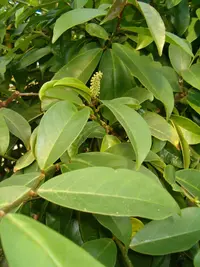
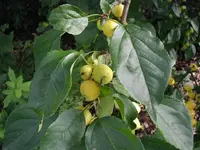
Siberian crab apple (Malus baccata) is a hardy deciduous tree grown mainly for its spring flowers, small colorful fruits, and strong cold tolerance. It usually forms a rounded crown with dense branching and fine-textured foliage that turns yellow in autumn.

This species is native to Siberia and northern Asia, where it experiences long, cold winters and short summers. Its toughness and adaptability make it useful as a landscape tree and as rootstock in orchards.

The tree prefers full sun, moderately moist, well-drained soil, and good air circulation. Once established, it is relatively low-maintenance, and learning how to care for Siberian crab apple is straightforward for most gardeners.

Main Plant Requirements

Care Difficulty

Easy Care

Light Preference

Full Sun

Water Requirements

Moderate Water

Temperature Preference

Cold Hardy

Hardiness Zone

2–7

Soil Texture

Loamy, Sandy, Clay

Soil pH

Acidic (5.5–6.5), Slightly acidic (6.5–7.0)

Soil Drainage

Well-drained

Fertilization

Minimal (feed rarely)

Get Personalized Care Plan

Scan your plant to receive care tips personalized for your specific plant

Available on iOS and Android

How to Care for the Siberian crab apple

Malus baccata thrives in bright, direct outdoor light for strong growth and flowering.

  • Provide 6–8 hours of direct sun daily; full sun is ideal, especially in spring and early summer for abundant blossoms and fruit set.
  • Allow light afternoon shade in hotter regions to reduce leaf scorch and stress, particularly on young Siberian crab apple trees.
  • Avoid planting in deep shade, which leads to weak, elongated shoots, sparse flowering, and higher susceptibility to fungal diseases.

This species prefers evenly moist, well-drained soil rather than frequent shallow watering.

  • Water when the top 3–5 cm of soil feels dry, applying a slow, deep soak that reaches the main root zone rather than light surface sprinkling.
  • In the first 1–2 years after planting, monitor closely during dry spells; leaves that wilt or curl by midday signal the need for thorough watering.
  • Avoid waterlogged soil; yellowing leaves, soft new growth, or persistent wetness around the trunk indicate overwatering and poor drainage.

This hardy crab apple tolerates a wide range of outdoor temperatures once established.

  • Optimal growing temperatures during the active season are about 60–75°F (16–24°C), supporting steady shoot growth and flower bud development.
  • Winter hardy to about -40°F (-40°C), it requires cold dormancy; fully dormant trees tolerate repeated frosts without significant damage.
  • Mature trees handle summer heat up to about 90–95°F (32–35°C) if soil moisture is maintained, but prolonged extreme heat can reduce flowering and fruit quality the following year.

Humidity is rarely a limiting factor for Malus baccata, which suits most outdoor conditions in temperate climates.

  • Performs reliably in ambient outdoor humidity around 30–70%, so no special humidity manipulation is needed in typical garden settings.
  • Tolerates dry air and wind once established, but prolonged hot, desiccating winds can increase leaf scorch risk, especially in new plantings.
  • If leaves curl, brown at edges, or drop early during dry spells, prioritize consistent soil moisture and wind protection rather than increasing air humidity.

Malus baccata prefers moderately fertile, well-drained mineral soils that do not stay waterlogged.

  • Use a loamy or sandy-loam soil with 3–4 cm of incorporated compost to provide structure, moderate fertility, and steady moisture retention.
  • Aim for slightly acidic to neutral pH, roughly 6.0–7.2, avoiding highly alkaline or saline soils that can reduce nutrient availability.
  • Improve drainage and aeration on heavy clay sites by mixing in coarse sand or fine grit plus organic matter, and planting on a slight mound if needed.
  • Avoid spots where water collects after rain, as chronic saturation around roots promotes rot, poor growth, and increased disease pressure.

This species can be grown in large containers for several years but is better long term in open ground.

  • Choose a deep, heavy container (e.g., thick-walled clay) to provide root depth and reduce tipping from wind as the canopy enlarges.
  • Fill the pot with a loam-based mix plus 20–30% coarse material such as grit or pine bark to maintain drainage under frequent outdoor watering.
  • Position the container where wind exposure is moderated by walls or other structures to reduce rocking that can loosen roots in the pot.

Malus baccata grows well in average soil but responds to modest feeding during the active season.

  • Apply a balanced slow-release fertilizer (for example 10-10-10) once in early spring as new growth begins.
  • On poorer soils, top-dress with a thin layer of compost over the root zone in spring.
  • Use half-strength liquid balanced fertilizer for container-grown Siberian crab apple every 4–6 weeks in spring–summer.
  • Stop feeding in late summer so shoots harden before winter and avoid fertilizing dormant trees.

Malus baccata benefits from light, structured pruning to maintain health and form.

  • Time main pruning for late winter to very early spring before bud break.
  • Remove dead, diseased, crossing, or inward-growing branches to improve airflow and light penetration.
  • Thin crowded shoots rather than shortening everything, which preserves natural shape and flowering wood.
  • Use clean, sharp bypass pruners or a pruning saw and make cuts just outside the branch collar.

This crab apple is usually field- or garden-grown, so care focuses on transplanting rather than long-term containers.

  • Plan transplanting for early spring or late fall when the tree is dormant and soil is workable.
  • Move when roots circle the pot, growth slows, or the tree becomes unstable in its container or nursery bed.
  • Dig a wide planting hole, keep the root flare at soil level, and backfill with native soil, not rich potting mix.
  • Water thoroughly, then keep soil evenly moist and add 5–8 cm mulch to reduce root stress and temperature swings.

New Malus baccata plants are commonly produced from seed or by grafting onto suitable rootstocks.

  • Collect ripe fruit in fall, extract and clean seeds, then cold-stratify 60–90 days at 34–41°F in moist medium.
  • Sow stratified seed in trays or beds with free-draining substrate and keep evenly moist until germination.
  • Use winter whip-and-tongue or spring cleft grafting of desired cultivars onto hardy apple rootstocks.
  • Softwood cuttings in early summer can root in high humidity and bottom heat, but success is less consistent than seed or grafting.

This species is very cold hardy and usually needs minimal winter care in the ground.

  • Mulch the root zone with 5–8 cm of bark or leaves, keeping mulch off the trunk to limit rot.
  • Young trees benefit from a breathable trunk wrap or guards to reduce sunscald and rodent damage.
  • Move container-grown trees into a sheltered, unheated space where temperatures stay roughly 25–40°F and soil does not freeze solid.

Care Tips

Graft Selection Strategy

When establishing new trees, choose disease-resistant, cold-hardy rootstocks and consider grafting several crab apple cultivars onto one tree to extend bloom time and improve cross-pollination.

Early Scaffold Training

In the first 3–5 years, select 3–5 well-spaced main branches and use spreads or soft ties to open narrow crotch angles to about 60–70° for a stronger, more storm-resistant framework.

Bloom Thinning For Health

On young or weak trees, remove some flower clusters by hand in heavy bloom years so the tree does not overcrop, which reduces branch breakage and helps maintain regular annual fruiting.

Targeted Pest Monitoring

From early spring, hang sticky traps and inspect flower clusters and young leaves weekly so apple maggot, aphids, or caterpillars are caught early and managed before serious damage occurs.

Efficient Leaf Sanitation

In autumn, rake up and remove fallen leaves and mummified fruits to reduce overwintering disease spores and insects, which is one of the most effective long-term practices for caring for Siberian crab apple.

Common Pests and Diseases

Apple scab

This disease causes dark olive to black, velvety spots on young leaves and fruit, often leading to distortion and early leaf drop. Symptoms include rough, corky patches on fruit skins that reduce ornamental value.

Solution

Collect and discard fallen leaves and mummified fruit in autumn, and prune to open the canopy for better airflow. In areas with recurring problems, apply a preventive fungicide labeled for crab apples at bud break and repeat during wet spring weather according to label directions.

Fire blight

This disease causes sudden wilting, blackening, and a scorched appearance of blossoms, shoots, and sometimes entire branches. Infected twigs often bend into a characteristic shepherd’s crook shape.

Solution

Prune out infected shoots at least 20–30 cm below visible symptoms during dry weather, disinfecting tools between cuts with alcohol or a 10% bleach solution. Avoid high-nitrogen fertilization and heavy late-spring pruning, and in high-risk areas consider registered blossom-protectant sprays during bloom if recommended locally.

Apple powdery mildew

This disease produces white, powdery fungal growth on young leaves, shoots, and flower buds, leading to distorted foliage and reduced flowering. New growth often appears stunted and may fail to develop normally.

Solution

Remove and dispose of heavily affected shoots during dry weather and prune the crown to improve light penetration and air movement. In gardens with recurring issues, use a labeled systemic or sulfur-based fungicide during early leaf expansion, following local guidelines and avoiding use during very hot weather.

Codling moth

This pest is a small moth whose larvae tunnel into fruit, leaving entry holes, frass, and premature fruit drop. This pest is especially noticeable on trees that hold fruit into late summer and autumn.

Solution

Pick up and dispose of fallen fruit promptly and thin damaged fruit from the tree. Use pheromone traps to monitor adult moths and, if pressure is high, apply targeted fruit-protection sprays such as spinosad at the correct timing after petal fall as directed on the label.

Aphids

These insects cluster on young shoots and leaf undersides, sucking sap and causing curled leaves, sticky honeydew, and sometimes sooty mold growth. Ants often attend colonies to feed on the honeydew.

Solution

Spray colonies off with a strong stream of water and lightly prune heavily infested shoot tips. If needed, apply insecticidal soap or horticultural oil to the undersides of leaves, repeating as necessary, and encourage natural predators such as lady beetles by avoiding broad-spectrum insecticides.

Interesting Facts

Extreme cold tolerance

This species survives winter temperatures below −40°F and is used in breeding programs to transfer exceptional frost hardiness to cultivated apples.

Important wildlife resource

In its native range, the small persistent fruits feed birds and small mammals through late autumn and winter, helping sustain local food webs when other fruit sources are scarce.

Valuable rootstock parent

Breeders use this species as a parent for cold-hardy rootstocks, because its strong root system and adaptability improve the resilience of grafted apple cultivars in harsh climates.

Botan icon

Did you know?

Malus baccata is one of the key wild apple species that contributed genetically to modern ornamental crab apples, providing traits such as heavy flowering, small colorful fruit, and strong winter hardiness that underpin many widely planted landscape varieties.

FAQs about Siberian crab apple

Lack of flowers often comes from insufficient sunlight, heavy pruning at the wrong time, or young age. Nutrient imbalance, especially excess nitrogen, can also divert energy to leafy growth instead of buds.

Grow Healthy Plants with Botan Care

Keep your plants happy and healthy with plant identification, disease detection, and easy care guidance.

Botan plant care app — identify plants on mobile

Explore More Plants