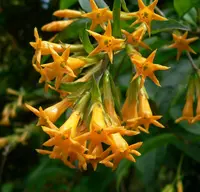
silver banksia Care (Banksia marginata)

Also known as: Honeysuckle
silver banksia

About silver banksia

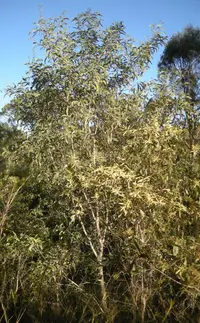
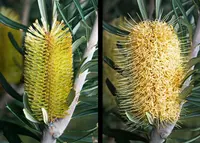
Silver banksia (Banksia marginata) is an evergreen shrub or small tree from Australia, valued for its narrow leaves and dense, cone-shaped yellow flower spikes. In gardens it usually forms a rounded, bushy shape, though in the wild it can grow taller and more tree-like.

This species naturally occurs along coastal and inland regions of southeastern Australia, often in poor, sandy or rocky soils. It is considered relatively tough once established, but young plants are sensitive to waterlogging and need well-drained soil. Understanding how to care for silver banksia starts with providing plenty of sun, low to moderate watering, and avoiding heavy, compacted soils.

Main Plant Requirements

Care Difficulty

Moderate Care

Light Preference

Full Sun

Water Requirements

Low Water

Temperature Preference

Cool Climate

Hardiness Zone

8–10

Soil Texture

Sandy, Loamy, Rocky

Soil pH

Acidic (5.5–6.5)

Soil Drainage

Well-drained

Fertilization

Minimal (feed rarely)

Get Personalized Care Plan

Scan your plant to receive care tips personalized for your specific plant

Available on iOS and Android

How to Care for the silver banksia

This species prefers bright, open conditions with several hours of direct sun each day.

  • Provide 6–8 hours of direct sun, ideally with morning sun and some light afternoon shade in very hot inland areas for silver banksia.
  • In coastal or mild climates, full sun all day supports compact growth and better flowering, while dense shade leads to sparse foliage and weak stems.
  • In the first year, protect young plants from intense late-afternoon summer sun with temporary shade cloth or nearby taller plants.

This drought-tolerant shrub prefers infrequent, deep watering in free-draining soil.

  • Let the top 5–8 cm of soil dry before watering, then water slowly so it soaks deeply without pooling on the surface.
  • Reduce watering in cool or wet seasons; in hot, dry periods, use visual checks such as dull, slightly drooping leaves to time the next soak.
  • Avoid waterlogged or compacted soils, as Banksia marginata is prone to root rot; yellowing leaves and blackened stems often indicate chronic overwatering.

This shrub suits mild, low-humidity climates with moderate temperatures and some cold tolerance.

  • Best growth occurs at 60–77°F (16–25°C), with steady warmth promoting strong root and shoot development.
  • Mature plants can tolerate brief drops to about 23°F (−5°C), but young plants should be protected from hard frosts with covers or temporary windbreaks.
  • In hot spells above 95°F (35°C), mulch the root zone 5–7 cm deep and avoid reflected heat from paving to limit stress and leaf scorch.

This species tolerates a wide humidity range and usually does not need special humidity management indoors or outdoors.

  • Aim for 30–50% humidity; avoid persistently damp, stagnant air which encourages fungal issues.
  • Silver banksia copes well with dry indoor air but may drop older leaves if combined with low light or underwatering.
  • Signs of humidity stress include leaf tip browning with soft spots or mold on flower spikes rather than crisp, dry edges.
  • Increase air movement with a small fan or open window rather than using humidifiers, which can create excessively moist conditions.

Banksia marginata needs sharply drained, low-phosphorus soil that mimics sandy, nutrient-poor native habitats.

  • Use a sandy or sandy-loam mix with at least 50–70% coarse sand or fine gravel to keep pores open and prevent waterlogging.
  • Aim for slightly acidic to neutral pH around 5.5–7.0, avoiding lime-heavy mixes that push pH too high and reduce nutrient uptake.
  • Choose a native or low-phosphorus mix; blend pine bark fines and coarse sand with only a small amount of low-phosphorus compost if needed.
  • Avoid heavy loam, clay, or peat-rich mixes that stay wet, and never apply standard high-phosphorus fertilizers, which can damage roots.

This species can be grown in containers, especially in its early years or in smaller garden spaces.

  • Select a tall, heavy pot that resists tipping, as upright woody growth becomes top-heavy in wind-exposed spots.
  • Use a deep container that allows a strong taproot to develop without circling tightly near the base.
  • Choose unglazed clay or other porous materials to help excess moisture evaporate faster after heavy rain or watering.

This species is adapted to low‑nutrient soils, so caring for silver banksia means using fertilizer sparingly, if at all.

  • If growth is very poor in a container, apply a low‑phosphorus, slow‑release native plant fertilizer once in early spring.
  • Use about half the label rate to avoid root damage and sensitivity to excess phosphorus.
  • Avoid manure‑rich compost and high‑P balanced NPK products; these can burn protea‑family roots.
  • Do not feed in winter; allow the plant to rest under natural low‑nutrient conditions.

Pruning supports a compact, well‑branched Banksia marginata and keeps older plants manageable.

  • Carry out light pruning after the main flowering flush, avoiding removal of current season’s unopened buds.
  • Remove dead, damaged, or crossing branches with clean, sharp bypass pruners or loppers.
  • Shorten overly long shoots to an outward‑facing bud to maintain shape and encourage bushier growth.
  • Do not cut back into thick, bare older wood, as new shoots may not emerge from these areas.

Transplanting is more relevant than repotting for this deep‑rooted shrub or tree, which dislikes frequent disturbance.

  • Shift young plants when roots just reach the pot base or when growth slows despite adequate care.
  • Plan transplanting for late winter to early spring, when soil is moist and temperatures are mild.
  • Disturb the root ball as little as possible; keep it intact and plant into well‑drained, low‑phosphorus soil.
  • Water deeply after planting, then keep soil just moist while new roots establish, avoiding waterlogging to limit stress.

Propagation of Banksia marginata is possible from seed or semi‑hardwood cuttings under controlled conditions.

  • Collect ripe seed from mature cones and sow in late winter to spring in a very free‑draining, low‑phosphorus mix.
  • Provide bright light, gentle bottom warmth, and consistent, light moisture until germination occurs.
  • For cuttings, take semi‑hardwood tips, use a suitable rooting hormone, and place in a coarse, well‑aerated medium.
  • Maintain high humidity with good air movement and avoid overwatering, which easily causes stem and root rot.

This species is relatively cold hardy once established and usually needs little winter care in mild climates.

  • Mature plants tolerate light frosts, but young specimens benefit from a 5–8 cm mulch layer over the root zone.
  • Keep mulch slightly away from the trunk to prevent collar rot in cold, wet conditions.
  • In colder regions, grow in containers and move to a bright, frost‑free, cool indoor or sheltered space for winter.

Care Tips

Protective root zone

Lay a wide, thin mulch ring of coarse gravel or fine bark around the drip line, keeping it 5–10 cm away from the stem, to keep roots cool while avoiding the wet, fungal-prone conditions that can occur with dense organic mulches.

Minimal root disturbance

Plant in its final position while young and avoid cultivating or planting other species close to the base, as disturbing the shallow proteoid roots can severely reduce vigor and flowering.

Low-phosphorus companioning

Choose nearby plants that also tolerate low-phosphorus conditions, such as other Proteaceae or native grasses, so you do not need to apply standard high-phosphorus fertilizers in the shared root zone.

Wind-shaping for strength

In windy sites, lightly tip-prune exposed stems on the windward side after flowering to encourage a denser, more wind-firm framework rather than staking the plant long term.

Seed cone management

Remove a portion of old woody cones each year with clean, sharp tools to reduce fire fuel load and to redirect energy into new shoots and flowers, a useful step when caring for silver banksia in smaller gardens.

Common Pests and Diseases

Banksia stem canker

This disease causes sunken, discolored lesions on stems and branches, often leading to dieback beyond the infected area. Symptoms include cracking bark and gradual decline of affected shoots.

Solution

Prune out infected stems well back into healthy wood, sterilizing tools between each cut, and destroy all infected material. Improve airflow around the plant, avoid wounding the bark, and keep irrigation off the stems to reduce reinfection risk.

Phytophthora dieback

This disease is caused by soil-borne water molds that attack fine roots, leading to wilting, yellowing foliage, and branch dieback, especially in poorly drained soils. Symptoms include sudden collapse of otherwise established plants after wet periods.

Solution

Remove and destroy severely affected plants, avoid replanting susceptible banksias in the same poorly drained spot, and improve drainage with raised beds or mounding. In high-risk areas, use only well-drained, low-phosphorus soil mixes, water at the base without waterlogging, and consider a registered phosphite (phosphonate) trunk or soil treatment according to label directions as part of Banksia marginata care.

Banksia boring beetles

These insects tunnel into stems and branches, leaving small entry holes, frass (sawdust-like material), and causing dieback of affected shoots. This pest is more common in stressed or drought-affected plants.

Solution

Prune and destroy infested branches, cutting back to healthy wood and disinfecting tools between cuts. Reduce plant stress by maintaining consistent but not excessive watering, avoid mechanical injury to stems, and keep the plant vigorous so it is less attractive to borers.

Scale insects

These insects attach to leaves and stems as small bumps and feed on sap, leading to yellowing foliage and reduced vigor. This pest also excretes honeydew, which can encourage sooty mold growth on leaves and stems.

Solution

Wipe or gently scrub affected stems and leaves with a soft cloth or brush dipped in mild soapy water, then rinse with clean water. For larger infestations, apply a horticultural oil spray labeled for ornamental shrubs, thoroughly coating stems and leaf undersides while avoiding very hot or sunny periods.

Leaf spot

This disease produces small dark spots or blotches on leaves, which may enlarge and cause partial leaf death, often after prolonged humidity or overhead watering. Symptoms include premature leaf drop on heavily affected plants.

Solution

Remove and discard affected leaves from the plant and ground to reduce inoculum, and water at soil level rather than overhead. Improve spacing and airflow, avoid wetting foliage late in the day, and if needed apply a suitable fungicide for ornamental shrubs according to label directions during extended wet periods.

Interesting Facts

Unusually wide habitat

This species naturally occurs from coastal dunes to subalpine woodlands in southeastern Australia, showing high tolerance to wind, frost, and nutrient-poor soils compared with many other banksias.

Proteoid root strategy

Banksia marginata develops dense clusters of fine roots called proteoid roots that greatly increase nutrient uptake in phosphorus-poor, sandy or lateritic soils, an adaptation typical of the Proteaceae family.

Key food for honeyeaters

Its nectar-rich flower spikes are an important and often seasonally critical food source for honeyeater birds and other nectar feeders, which in turn act as the main pollinators for this species.

Botan icon

Did you know?

Some populations of Banksia marginata maintain persistent seed cones in the canopy for many years and release large quantities of winged seeds mainly after fire, a strategy known as serotiny that helps the species rapidly recolonize burned areas.

FAQs about silver banksia

Yellowing leaves usually result from poor drainage, waterlogged soil, or excessive fertiliser, which damage the sensitive proteoid roots. Check that the pot or bed drains freely, reduce feeding, and allow soil to dry slightly between waterings.

Grow Healthy Plants with Botan Care

Keep your plants happy and healthy with plant identification, disease detection, and easy care guidance.

Botan plant care app — identify plants on mobile

Explore More Plants