orange jessamine Care (Cestrum aurantiacum)

Also known as: orange-flowering jessamine, orange cestrum, Warszewicz cestrum, Yellow Cestrum
orange jessamine

About orange jessamine

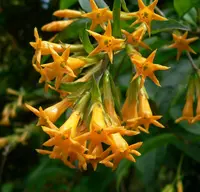
Orange jessamine, Cestrum aurantiacum, is a flowering shrub known for its clusters of bright orange, tubular blooms and a strong, sweet fragrance. It typically forms a dense, upright bush and is often grown as an ornamental hedge or specimen plant in warm climates.

This species is native to Central and South America, where it thrives in sunny, frost-free locations. It grows fairly fast and can become vigorous, so regular pruning is helpful to keep a tidy shape.

It prefers bright light, moderately moist but well-drained soil, and protection from hard frost. With these conditions, it is relatively simple to care for orange jessamine in home gardens or containers.

Main Plant Requirements

Care Difficulty

Moderate Care

Light Preference

Full Sun

Water Requirements

Moderate Water

Temperature Preference

Warm Climate

Hardiness Zone

9–11

Soil Texture

Sandy, Loamy, Organic-rich

Soil pH

Acidic (5.5–6.5), Slightly acidic (6.5–7.0)

Soil Drainage

Well-drained

Fertilization

Light (every 4–6 weeks)

Get Personalized Care Plan

Scan your plant to receive care tips personalized for your specific plant

Available on iOS and Android

How to Care for the orange jessamine

This shrub performs best with strong light and some direct sun while avoiding harsh extremes.

  • Provide 4–6 hours of direct morning sun with bright, filtered light in early afternoon for balanced growth and flowering in orange jessamine.
  • Allow light partial shade, especially after 1–2 pm, in hot climates to prevent leaf scorch, pale foliage, and dry, crisp leaf edges.
  • If stems stretch, flowering declines, or leaves darken and thin, increase light exposure gradually over 7–10 days to prevent sunburn.

This species prefers evenly moist, well-drained soil rather than constant wetness or drought.

  • Water when the top 3–5 cm of soil feels dry, applying a slow, deep soak so moisture reaches the root zone without leaving standing water.
  • In spring and summer growth, expect more frequent watering; in cooler months, extend intervals and let the surface dry slightly more between waterings for Cestrum aurantiacum.
  • Watch for yellowing, soft leaves and a sour smell as signs of overwatering, and for drooping, dry, brittle foliage as indicators of underwatering or prolonged dryness.

This plant favors warm, stable conditions and is sensitive to cold and frost.

  • Aim for 65–80°F (18–27°C) for active growth, as cooler conditions slow development and reduce flowering.
  • Protect from frost; growth is damaged around 32°F (0°C) and sustained temperatures below 28°F (-2°C) can kill stems or the entire plant.
  • In hot summers up to about 90°F (32°C), provide afternoon shade and consistent soil moisture to reduce heat stress, leaf scorch, and bud drop.

This shrub benefits from moderate air moisture but usually copes well with typical household conditions.

  • Target 40–60% humidity, similar to most occupied rooms, for steady growth and flowering.
  • It tolerates short periods of drier air, but prolonged RH below 30% can slow growth and cause leaf edges to brown.
  • Watch for curling, crispy leaf margins as signs of humidity stress, and increase moisture with a nearby tray of damp pebbles or a room humidifier.

Cestrum aurantiacum prefers loose, well-aerated, fast-draining soil that still holds some moisture.

  • Use a loamy mix made from roughly 2 parts peat or coco coir, 1 part compost, and 1 part perlite or coarse sand for structure and drainage.
  • Aim for slightly acidic to neutral pH, around 6.0–7.0, which supports nutrient availability and reduces risk of micronutrient lockout.
  • Improve aeration by adding extra perlite or fine bark if the mix feels heavy or compacts after watering.
  • Avoid dense clay, waterlogged sites, or mixes with high unamended garden soil content, as these promote root rot and weak growth.

This species adapts well to container growing when given adequate root space and stable support.

  • Choose a deep, heavy pot that resists tipping, since the shrub can become tall and top-heavy in windy or exposed spots.
  • Select a container material that matches your climate, such as unglazed clay for slightly drier, cooler roots in hot regions.
  • Ensure wide, unobstructed drainage holes and elevate the pot slightly so excess water escapes quickly instead of pooling under the base.

Cestrum aurantiacum responds well to moderate, consistent feeding during its active growing season.

  • Use a balanced liquid fertilizer (around 10-10-10) at 1/2 strength every 4–6 weeks in spring and summer.
  • Alternatively, apply a slow-release granular fertilizer at the start of spring, following label rates.
  • Supplement with a thin layer of compost over the root zone once per year.
  • In fall and winter, stop feeding or reduce to very light applications to avoid soft, frost-tender growth.

Cestrum aurantiacum benefits from structured pruning to maintain size and encourage flowering wood.

  • Schedule main pruning for late winter or very early spring before new growth begins.
  • Remove dead, diseased, crossing, or inward-growing stems back to healthy tissue.
  • Shorten long, leggy shoots to shape the shrub and stimulate dense, flowering side branches.
  • Use clean, sharp bypass pruners and make angled cuts just above outward-facing buds.

This shrub tolerates transplanting well when moved at the right stage and handled gently.

  • Plan major transplanting for late winter or early spring when growth is just starting.
  • Move container plants when roots circle the pot base, growth slows, or watering frequency increases sharply.
  • Shift to a container 1–2 in wider or a ground hole twice the rootball width, using well-drained, fertile soil.
  • Water thoroughly after planting, shade from intense sun for 3–5 days, and keep soil evenly moist to limit root stress.

Cestrum aurantiacum is most often propagated from semi-ripe cuttings taken in the warm season.

  • Take 8–12 cm semi-ripe stem cuttings in late spring to midsummer, each with several nodes.
  • Remove lower leaves, dip the base in rooting hormone, and place in a moist, free-draining mix of perlite and peat or similar.
  • Provide bright, indirect light, 70–80°F warmth, and high humidity using a clear cover or misting.
  • Sow seeds in spring on the surface of light seed compost, keeping them slightly warm and evenly moist until germination.

This species is frost-sensitive and needs protection in regions with cold winters.

  • In climates below about 25–30°F, grow in containers and move plants indoors to a bright, cool room before first frost.
  • For in-ground shrubs in mild zones, apply 5–8 cm of mulch around the root zone, keeping it away from stems.
  • Reduce watering in winter, allowing the top layer of soil to dry slightly between waterings to prevent root rot.
  • In very light frost areas, cover young plants with breathable fabric on the coldest nights and remove covers by day.

Care Tips

Use sturdy supports

Install a rigid stake or trellis early and tie stems loosely with soft ties so the tall, somewhat brittle growth stays upright and resists wind damage as the plant matures.

Plan root containment

In mild climates where this species can spread aggressively, grow it in a large container or use root barriers in the ground to prevent unwanted suckering and colonizing of nearby beds.

Manage flowering cycles

After each main flush of blooms, lightly trim back spent flowering shoots to encourage a new wave of buds and to keep the plant from becoming leggy and top-heavy.

Monitor for night fragrance

Site the plant where evening air movement can disperse its strong night scent away from windows or seating areas, which helps avoid overwhelming fragrance in small patios or courtyards.

Cold protection strategy

In regions with occasional frosts, harden plants gradually in autumn, then protect the root zone with a 5–8 cm mulch layer and move container plants against a sheltered wall to reduce cold stress when caring for orange jessamine.

Common Pests and Diseases

Whiteflies

This pest commonly infests the undersides of leaves of Cestrum species, sucking sap and causing yellowing, leaf drop, and sticky honeydew that encourages sooty mold. Infestations are more frequent on plants grown in warm, sheltered conditions or indoors.

Solution

Control populations by regularly inspecting leaf undersides and dislodging adults and nymphs with a firm water spray, then using yellow sticky traps to reduce flying adults. For persistent problems, apply insecticidal soap or a light horticultural oil, repeating every 7–10 days until new growth appears clean; good airflow and avoiding excess nitrogen fertilizer also help reduce outbreaks while growing orange jessamine.

Spider mites

These insects thrive in hot, dry conditions and feed on leaf sap, leading to fine speckling, dull foliage, and, in severe cases, webbing on stems and leaves. Symptoms include decreased vigor and premature leaf drop, especially on container-grown plants kept in low humidity.

Solution

Increase humidity around the plant and rinse foliage thoroughly with lukewarm water, focusing on the undersides of leaves to remove mites and webbing. If activity continues, apply insecticidal soap or horticultural oil at labeled rates every 5–7 days, and isolate heavily infested plants from others to prevent spread.

Leaf miners

This pest lives inside the leaf tissue and creates winding, pale tunnels that distort foliage and reduce photosynthetic area. Damage is mostly cosmetic but can weaken young or stressed plants if infestations are heavy.

Solution

Promptly remove and dispose of affected leaves to physically reduce larvae inside the foliage. For ongoing problems, use a systemic insecticide labeled for ornamental shrubs or apply spinosad-based products according to the label, targeting young larvae when fresh mines first appear.

Powdery mildew

This disease appears as a white, powdery coating on leaves, young stems, and buds, often in shaded or crowded conditions with poor air circulation. Affected foliage may become distorted, yellow, and drop prematurely, reducing flowering and overall vigor.

Solution

Improve airflow by thinning dense growth and avoiding overhead watering, then remove and discard heavily infected leaves. Treat active infections with a sulfur, potassium bicarbonate, or horticultural oil product labeled for powdery mildew, applying at regular intervals until new growth remains clean.

Sooty mold

This disease is a secondary problem that develops on the sugary honeydew excreted by sap-sucking insects such as whiteflies, aphids, and scale. Symptoms include a black, soot-like coating on leaves and stems that blocks light and interferes with photosynthesis.

Solution

Focus on controlling the honeydew-producing insects using targeted measures such as insecticidal soap, horticultural oil, and physical removal. Once the pest population is reduced, gently wash affected foliage with water and a soft cloth or sponge to remove the mold and restore normal light exposure.

Interesting Facts

Night-scented blooms

This species releases its strongest fragrance after dusk, a trait that helps attract nocturnal moth pollinators while remaining relatively modestly scented during the day.

Clustered orange flowers

It produces dense terminal clusters of tubular orange to orange-yellow flowers, which are especially visible against the deep green foliage and can appear in several flushes under warm conditions.

Evergreen in mild climates

In frost-free or only lightly frosted regions it behaves as an evergreen shrub, maintaining foliage year-round, but in colder climates it can become semi-deciduous or experience dieback to the woody framework.

FAQs about orange jessamine

Lack of blooms often comes from insufficient light, heavy or improper pruning, or excess nitrogen fertilizer. Cool drafts, poorly drained soil, and root disturbance can also reduce flowering. Stable conditions and balanced feeding usually restore bud production.

Grow Healthy Plants with Botan Care

Keep your plants happy and healthy with plant identification, disease detection, and easy care guidance.

Botan plant care app — identify plants on mobile

Explore More Plants