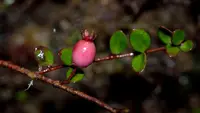
Rubus lindebergii Care

Rubus lindebergii

About Rubus lindebergii

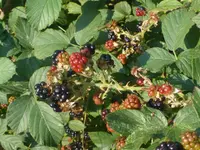
Rubus lindebergii is a deciduous shrub in the rose family, related to raspberries and blackberries. It forms arching, often thorny canes with compound leaves. Small white flowers are followed by clustered berries that resemble other Rubus fruits. The exact fruit color and size can vary with local forms. This species occurs naturally in cooler regions of Europe, often in open woodlands, forest edges, and rough grassland. It tends to prefer well-drained, moderately fertile soils with consistent moisture and good light. For gardeners who want to care for Rubus lindebergii, the main challenges are managing its vigorous growth and prickly canes in a confined space.

Main Plant Requirements

Care Difficulty

Moderate Care

Light Preference

Partial Sun

Water Requirements

Moderate Water

Temperature Preference

Cool Climate

Hardiness Zone

Unknown

Soil Texture

Loamy, Sandy, Organic-rich

Soil pH

Acidic (5.5–6.5), Slightly acidic (6.5–7.0)

Soil Drainage

Moist but well-drained

Fertilization

Minimal (feed rarely)

Get Personalized Care Plan

Scan your plant to receive care tips personalized for your specific plant

Available on iOS and Android

How to Care for the Rubus lindebergii

This shrub thrives in full sun but tolerates some light shade, especially in hotter regions.

  • Provide 6–8 hours of direct sun daily; morning sun with light afternoon shade helps reduce leaf scorch in hot summers.
  • In cooler climates, plant Rubus lindebergii in an open, south- or west-facing spot to maximize light and fruit production.
  • Watch stems that are shaded more than half the day; they tend to produce fewer flowers and elongated, weaker growth.

This species prefers consistently moist, well-drained soil without staying saturated.

  • Water when the top 3–5 cm of soil feels dry, applying enough to moisten the root zone but allowing excess to drain freely.
  • Use soil rich in organic matter with good drainage; prolonged puddling, sour smell, or wilting with wet soil suggests overwatering and root stress.
  • In hot, dry periods, increase watering frequency and mulch 5–8 cm deep; in cool, rainy seasons, rely mostly on natural rainfall and irrigate only if leaves droop and soil is dry.

This hardy bramble tolerates cold winters and moderate summer heat when established.

  • Active growth and flowering are strongest at 60–75°F (16–24°C), with good performance across most temperate growing seasons.
  • Dormant plants usually survive down to about -10°F (-23°C) with snow cover, but young canes benefit from protection below 10°F (-12°C).
  • During hot spells above 90°F (32°C), provide extra mulch and soil moisture to limit heat stress, sunscorch, and fruit shriveling.

Humidity is not a major factor for Rubus lindebergii compared with light and soil moisture.

Rubus lindebergii prefers moist, well‑structured mineral soil that drains freely but does not dry out too fast.

  • Use a loamy soil with moderate organic matter, combining native garden soil with compost at about 2:1.
  • Ensure drainage by avoiding heavy clay pockets; incorporate coarse sand or fine gravel if water lingers after rain.
  • Aim for slightly acidic to neutral pH, around 6.0–7.0, which supports nutrient uptake and root activity.
  • Avoid compacted, waterlogged, or very shallow soils, and periodically loosen the top 5–8 cm to maintain aeration.

This species can be grown in containers if the pot is large and stable enough for its spreading root system.

  • Choose a deep, wide container to allow roots to spread horizontally, which helps maintain vigor and moisture balance.
  • Use a heavy or weighted pot material to reduce tipping when canes lengthen or when wind exposure is high.
  • Position the container where it is sheltered from intense reflected heat so the root zone does not overheat and dry unevenly.

This wild Rubus lindebergii type shrub generally needs only light feeding on poor soils.

  • Use a balanced, slow-release fertilizer (around 10-10-10) or well-rotted compost in early spring if growth or leaf color looks weak.
  • Apply 1 light application per growing season, scratched into the soil surface and watered in well.
  • Reduce or skip feeding in late fall and winter, when growth is naturally slow or dormant.
  • If using liquid feed, dilute to 1/2–1/4 strength to avoid excessive, soft growth and nutrient runoff.

Pruning Rubus lindebergii focuses on removing old or weak canes and managing thicket density.

  • Prune in late winter or very early spring before new buds break, when plant structure is easy to see.
  • Cut out dead, damaged, diseased, or crossing canes at ground level using clean, sharp bypass pruners.
  • Thin crowded stems to improve air flow and light, which supports healthier growth and flowering.
  • Shorten overly long canes to maintain size and shape, tying remaining canes if needed for support.

This bramble is usually grown in the ground; transplanting is more common than container repotting.

  • Transplant in early spring or early fall, when temperatures are mild and soil is workable.
  • Move plants when growth slows, clumps spread beyond their space, or roots fill and circle a container.
  • Lift with a generous root ball, keep roots shaded and moist, and replant at the same soil depth in well-drained ground.
  • Water thoroughly after transplanting, then keep soil evenly moist for several weeks to limit transplant shock.

Rubus lindebergii can be propagated by layering, division, or seed under suitable conditions.

  • Use tip or simple layering in spring or early summer, pinning a flexible cane to moist soil until rooted, then severing from the parent.
  • Divide established clumps in early spring, replanting sections with healthy buds and roots immediately.
  • Sow fresh seed in fall outdoors or use cold stratification (chilling) to break dormancy before spring sowing.
  • Provide loose, well-drained, slightly moist substrate and bright, indirect light to support rooting and early growth.

This bramble is generally cold hardy and needs minimal winter attention once established in the ground.

  • In colder regions, apply a 5–8 cm mulch layer around the root zone in late fall to moderate freeze–thaw cycles.
  • Leave healthy canes over winter; remove winter-killed wood in late winter rather than autumn.
  • Container plants in very cold climates benefit from being sunk into the ground or moved to a sheltered, unheated space.

Care Tips

Use sturdy supports

Install a permanent wire, trellis, or post-and-rail system before the canes get long, then tie new growth loosely with soft ties so the canes are supported but not constricted as they thicken.

Separate cane ages

Mark or train first-year and second-year canes to different wires or sides of the row so it is easy to remove only fruited canes after harvest without damaging the new crop.

Mulch for root protection

Maintain a 5–8 cm layer of organic mulch in a band over the root zone to suppress weeds, buffer soil moisture, and protect shallow roots from heat and cold, keeping mulch a few cm away from the crown to prevent rot.

Targeted cane thinning

In early spring, thin crowded canes to the strongest, well-spaced stems (typically 6–10 per linear 30–60 cm of row) to improve airflow, reduce fungal problems, and increase fruit size when growing Rubus lindebergii.

Timely harvest routine

Pick fruit every 1–2 days during the season, removing overripe, moldy, or damaged berries into a separate discard container so disease spores are not spread through the planting.

Common Pests and Diseases

Raspberry beetle

This pest causes dry, misshapen berries with brownish tunnels and damaged drupelets at harvest. Symptoms include larvae feeding inside the fruit, especially in unmanaged or wild stands.

Solution

Monitor flower clusters in late spring and shake canes over a white tray to detect adults, then remove and destroy infested buds and fruit. Encourage predators by maintaining plant diversity nearby and, if populations are high, time an application of a fruit-safe insecticide or spinosad to the early flowering stage while following local guidelines for caring for Rubus lindebergii.

Cane blight

This disease produces sunken, dark lesions on canes, often around pruning wounds, which can lead to cane dieback and reduced yield. Symptoms include shriveling of side shoots and poor leaf development above the affected area.

Solution

Prune out and remove infected canes to ground level during dry weather and disinfect tools between cuts. Avoid wounding canes, keep rows narrow for better airflow, and apply a labeled fungicide after pruning or during wet periods if the disease recurs frequently.

Anthracnose

This disease causes small purple spots on young canes that enlarge into gray, sunken lesions and can weaken canes over time. Symptoms include rough, scabby patches and reduced vigor, especially in dense, humid plantings.

Solution

Cut and dispose of heavily infected canes at the end of the season, and thin remaining canes to improve light penetration and air movement. Keep foliage dry by using drip irrigation where possible and consider a preventative fungicide spray at early leaf-out and pre-bloom in areas with a history of anthracnose.

Spur blight

This disease leads to brown or purplish lesions around leaf joints on primocanes, later causing dead or weak fruiting laterals the following year. Symptoms include reduced bud break and shortened fruiting spurs on affected canes.

Solution

Remove and destroy canes showing extensive spur blight symptoms during dormancy, leaving only strong, healthy canes. Maintain good spacing, control excessive nitrogen fertilization that encourages dense growth, and in wet climates use a labeled fungicide at early shoot growth if the problem is persistent.

Aphids

These insects cluster on the undersides of young leaves and shoot tips, sucking sap and causing curling, distortion, and sticky honeydew. This pest can also transmit viral diseases in Rubus plantings.

Solution

Wash colonies off tender shoots with a strong stream of water and pinch out heavily infested tips when practical. Encourage beneficial insects such as lady beetles, avoid broad-spectrum insecticides, and if needed use targeted insecticidal soap or horticultural oil, making sure to cover leaf undersides and repeat as new growth appears.

Interesting Facts

Northern boreal distribution

This bramble is native to northern Fennoscandia and adjacent Arctic–boreal regions, where it grows in cool, moist habitats such as forest edges, stream banks, and wet meadows often influenced by calcareous substrates.

Hybrid origin evidence

Genetic and morphological studies indicate that this taxon has a complex origin within the Rubus genus, and it has sometimes been treated as part of the Rubus saxatilis group or as a hybrid-related segregate, which has led to shifting taxonomic interpretations over time.

Specialist insect associations

In parts of its range, it contributes to local biodiversity by providing nectar and pollen for cold-adapted pollinating insects during the short northern growing season, and its foliage and canes offer microhabitats for small invertebrates in boreal ecosystems.

FAQs about Rubus lindebergii

The berries are typically edible, similar to other brambles, but identification must be absolutely certain before consumption. Flavor and seediness vary. Avoid fruit from polluted roadsides and always wash thoroughly to reduce surface contaminants and pathogens.

Grow Healthy Plants with Botan Care

Keep your plants happy and healthy with plant identification, disease detection, and easy care guidance.

Botan plant care app — identify plants on mobile

Explore More Plants