Staggered Succession Sowing
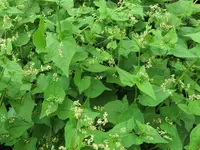
Sow small batches every 2–3 weeks rather than one large planting so plants stay in a vigorous, leafy phase and you avoid a glut of tough, overmature stems.

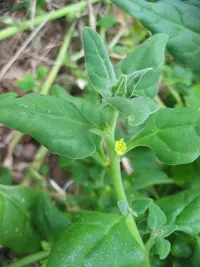
New Zealand spinach, Tetragonia tetragonoides, is a fast-growing leafy vegetable often used as a warm-season alternative to true spinach. It is usually grown as an annual, forming a low, spreading mound with succulent stems and small, fleshy, triangular leaves.
This coastal species is native to New Zealand, Australia, and nearby regions, where it naturally tolerates wind, salt, and light drought. Its toughness and tolerance of heat make it relatively easy to grow in many home gardens.
It generally prefers full sun, moderate moisture, and well-drained soil, which helps when learning how to care for New Zealand Spinach.

Care Difficulty
Easy Care

Light Preference
Full Sun

Water Requirements
Regular Water

Temperature Preference
Tropical / Frost Sensitive

Hardiness Zone
8–11

Soil Texture
Sandy, Loamy, Organic-rich

Soil pH
Acidic (5.5–6.5), Slightly acidic (6.5–7.0)

Soil Drainage
Moist but well-drained

Fertilization
Light (every 4–6 weeks)
Scan your plant to receive care tips personalized for your specific plant
Available on iOS and Android
This coastal vegetable thrives in full sun but copes with some shade in hot summers.
This plant prefers consistently moist, well-drained soil rather than extremes of drought or saturation.
This warm-season plant grows best in mild to warm conditions and dislikes frost.
Humidity is rarely a concern for this coastal species in home or garden conditions.
This plant prefers loose, well-drained, moderately fertile soil that does not stay waterlogged.
This species suits container growing when the pot supports its spreading habit and root depth.
This leafy annual benefits from light, consistent nutrition during active growth for steady leaf production.
Light pruning helps keep Tetragonia tetragonoides compact, productive, and easier to harvest.
This species is usually grown as an annual crop and is more often transplanted outdoors than repotted long term.
Tetragonia tetragonoides is most often propagated from seed for reliable and uniform plants.
This warm-season plant is frost-tender and usually grown as an annual in temperate climates.

Plant Health Check
Not sure what's wrong with your plant? Check your plant's health inside the app.
This coastal species evolved in mild, frost-free climates and continues active growth in summer heat when true spinach often bolts, which is why it became a valued warm-season leaf vegetable in Australia and New Zealand.
The plant naturally grows along seashores and dunes and shows halophytic traits, meaning it tolerates salt exposure that would damage many typical garden vegetables.
Its succulent leaves and stems accumulate notable levels of oxalates, the same organic acids found in spinach and beet greens, so traditional use often involves blanching to reduce this content before eating.

This species was carried on 18th‑century European exploration voyages, including those of Captain Cook, and was one of the first leafy vegetables cultivated overseas specifically to prevent scurvy by providing a reliable source of vitamin C during long sea journeys.
Yes, the leaves and young shoots are edible and used like spinach, usually cooked lightly to reduce oxalate levels. Harvest regularly, choosing tender growth. Avoid eating large quantities raw, especially for people prone to kidney stones.
Keep your plants happy and healthy with plant identification, disease detection, and easy care guidance.