Substrate Layering
Create a 2–3 cm base layer of rinsed, inert gravel or coarse sand under the moss to improve drainage and airflow while still allowing the upper layer to stay consistently moist.

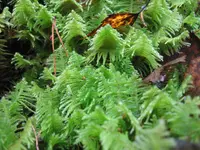
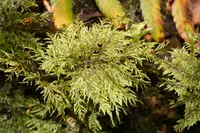
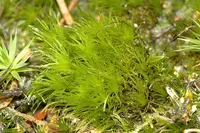
Knights plume moss (Ptilium crista-castrensis) is a feathery, carpet-forming moss often found on forest floors, rotting logs, and shaded banks. It forms dense, soft mats that resemble tiny fern fronds, with arching stems and finely divided side branches.
This moss occurs mainly in cool, moist conifer and mixed woodlands across northern regions, especially in boreal and temperate climates. It prefers consistent moisture, shade, and acidic, well-drained substrates.
Once established in suitable conditions, it stays relatively stable and low-maintenance, but it is sensitive to drying out and direct sun. Understanding how to care for knights plume moss starts with recreating its cool, damp, shaded woodland habitat as closely as possible.

Care Difficulty
Moderate Care

Light Preference
Shade

Water Requirements
Keep Soil Moist

Temperature Preference
Cold Hardy

Hardiness Zone
2–6

Soil Texture
Loamy, Peaty, Organic-rich

Soil pH
Strongly acidic (4.5–5.5), Acidic (5.5–6.5)

Soil Drainage
Moist but well-drained

Fertilization
Minimal (feed rarely)
Scan your plant to receive care tips personalized for your specific plant
Available on iOS and Android
This forest moss prefers cool, shaded conditions with only soft, indirect light.
Moist, cool conditions are essential for healthy moss growth.
This moss is adapted to cool, humid forest climates with moderate temperature swings.
This moss requires steadily moist, cool, high-humidity conditions to stay dense and green.
This species prefers a consistently moist, loose, organic-rich substrate that mimics forest litter.
This moss can grow in shallow containers and terrariums if moisture and airflow are balanced carefully.
This woodland moss needs minimal feeding, especially when grown on natural substrates like rotting wood or acidic soil.
Pruning needs for Ptilium crista-castrensis are low and mainly cosmetic.
This moss is usually transplanted rather than repotted, and it tolerates disturbance poorly, so move it only when necessary.
Ptilium crista-castrensis is commonly spread by division of existing mats rather than from spores by home growers.
This moss is naturally cold hardy in many temperate forests and usually needs little special winter care outdoors.

Plant Health Check
Not sure what's wrong with your plant? Check your plant's health inside the app.
This moss forms flat, feather-shaped shoots with regularly arranged side branches that all lie in one plane, which gives it a distinctive combed or plumed appearance compared with many more irregular forest mosses.
It occurs mainly in cool, moist boreal and northern temperate conifer forests, where it often carpets the ground under spruce and fir, helping retain soil moisture and providing microhabitats for small invertebrates.
Populations are most abundant in relatively undisturbed, humid woodlands, so its presence is often used by bryologists as one of several indicators of long-term forest continuity and low recent disturbance.

The species epithet crista-castrensis, meaning crest of a helmet, refers to the resemblance of its arching, plume-like shoots to the feathered crests on historical helmets, and this imagery is echoed in its common name knights plume moss.
This species spreads gradually by creeping stems and spores, forming low, dense carpets over time. It is not usually considered aggressive, but in cool, consistently moist, shaded sites it can colonize open soil and decaying wood steadily.
Keep your plants happy and healthy with plant identification, disease detection, and easy care guidance.