Stair Step Moss Care (Hylocomium splendens)

Also known as: splendid feather moss, Glittering Wood Moss, Mountain Fern Moss
Stair Step Moss

About Stair Step Moss

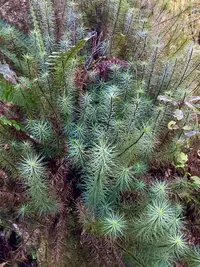
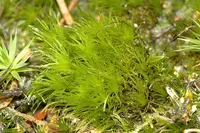
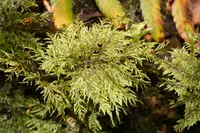
Stair step moss (Hylocomium splendens) is a cold-tolerant moss forming layered, step-like fronds that create soft, carpeted mats. Each new season’s growth forms a distinct “step,” giving it a patterned, architectural look.

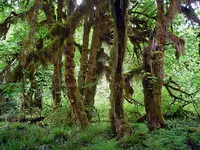
It naturally occurs in boreal forests and cool, moist climates across the Northern Hemisphere, often on forest floors, rotting logs, or shaded rocky ground. The plant spreads slowly but steadily, staying low and dense.

This moss prefers consistent moisture, shade to dappled light, and acidic, low-nutrient substrates. Once conditions are stable, it is relatively low-maintenance, though it responds poorly to drying out.

For anyone learning how to care for Stair Step Moss, the key traits are its need for cool, humid air, gentle light, and surfaces that do not stay waterlogged but never fully dry.

Main Plant Requirements

Care Difficulty

Moderate Care

Light Preference

Partial Shade

Water Requirements

Keep Soil Moist

Temperature Preference

Cold Hardy

Hardiness Zone

2–7

Soil Texture

Loamy, Silty, Organic-rich

Soil pH

Strongly acidic (4.5–5.5), Acidic (5.5–6.5)

Soil Drainage

Moist but well-drained

Fertilization

Minimal (feed rarely)

Get Personalized Care Plan

Scan your plant to receive care tips personalized for your specific plant

Available on iOS and Android

How to Care for the Stair Step Moss

This moss prefers cool, shaded conditions that mimic a forest floor under trees.

  • Provide bright, indirect light or dappled shade; 1–3 hours of gentle morning sun is acceptable, but avoid direct midday and afternoon sun.
  • Stair Step Moss grows best under conifers or deciduous shrubs where foliage filters light, reducing UV and drying wind exposure.
  • Excessive sun causes bleaching and crisp, brown tips; too much shade with heavy litter leads to thinning mats and slow spreading, especially in summer.

This moss thrives in consistently moist, but not waterlogged, conditions.

  • Maintain evenly damp substrate; allow only the top 1–2 mm of surface to start drying before the next thorough watering or natural rainfall.
  • Increase misting or light watering during hot, windy periods; in cool, wet seasons, rely more on rainfall and reduce supplemental water to prevent stagnation.
  • Hylocomium splendens shows underwatering as dull, brittle fronds; persistent overwatering and poor drainage cause sour smell, algae growth, and decomposing patches.

This moss is cold-hardy and adapted to cool, temperate climates.

  • Optimal growth occurs around 45–65°F (7–18°C), especially in moist, shaded sites with steady humidity.
  • It tolerates winter cold down to about 5–10°F (-15 to -12°C) under snow cover, remaining dormant yet viable for regrowth in spring.
  • Sustained heat above 80°F (27°C), especially with strong sun and low humidity, leads to drying and browning, so provide extra shade and moisture in hot spells.

This moss prefers consistently moist, cool air and reacts quickly to drying conditions.

  • Aim for 60–90% humidity; in drier homes, place the container in a terrarium or covered display with airflow gaps.
  • Tolerates brief dips to 40–50% humidity, but repeated drying causes dull, crisp fronds and brown tips.
  • Increase humidity by daily fine misting, standing the pot on a water-filled pebble tray, or grouping Stair Step Moss with other moisture-loving plants.

This species grows best in loose, fibrous, organic substrates that stay evenly moist but never waterlogged.

  • Use a mix of 60–80% sphagnum peat or fine coco coir with chopped leaf litter and fine bark to mimic forest duff.
  • Ensure slow but steady drainage by adding fine sand or small-grade pumice, avoiding dense mineral soil that compacts around rhizoids.
  • Keep pH slightly acidic, around 4.5–6.0, and avoid liming agents or alkaline tap water that gradually raise pH.
  • Maintain aeration by building the substrate in a shallow, irregular layer rather than packing it down, so water spreads without forming puddles.

This moss is suitable for shallow container culture, including terrariums and dish gardens.

  • Choose wide, shallow containers so the creeping shoots can layer and branch instead of piling up vertically and rotting at the base.
  • Select non-porous materials like glazed ceramic or plastic if higher moisture retention is needed, especially in heated homes.
  • Provide only a thin drainage layer and a modest substrate depth so excess water moves away from the moss yet the surface remains consistently damp.

Hylocomium splendens is adapted to nutrient-poor habitats and usually needs no additional fertilizer in cultivation.

Pruning needs for Hylocomium splendens are minimal and mostly cosmetic.

  • Trim away dead, browned, or decaying fronds at any time using small scissors for clean cuts.
  • Lightly thin overcrowded patches to maintain an even, low cushion and improve air movement across the moss.
  • Remove debris such as fallen leaves to prevent smothering and moisture imbalance in dense carpets.
  • Avoid cutting deeply into healthy, green layers; leave intact sections to continue photosynthesis and spread.

Hylocomium splendens is more often transplanted as patches than repotted like typical potted plants.

  • Transplant when growth looks patchy, the substrate has broken down, or a container colony dries out too fast.
  • Choose cool, moist weather in spring or early fall so the moss can reattach before heat or freezing conditions.
  • Lift mats gently with a thin spatula, keeping the rhizoids and attached substrate intact to limit stress.
  • Lay the moss onto fresh, acidic, well-drained medium, press lightly for firm contact, then keep evenly moist until established.

This moss is commonly propagated by division and re-laying of mats rather than by spores in home settings.

  • In spring or early fall, cut healthy cushions of Hylocomium splendens into smaller sections with clean scissors.
  • Prepare a shaded, consistently moist, acidic surface such as peat-rich soil, rotting wood, or a rock with thin substrate.
  • Press sections firmly onto the surface so rhizoids contact the medium, then mist to settle them in place.
  • Maintain high humidity and gentle, indirect light; avoid disturbance until new fine shoots spread from the transplanted pieces.

Stair Step Moss is cold hardy and usually requires no special winter care outdoors in temperate climates.

  • In-ground colonies tolerate freezing and snow, as the foliage naturally desiccates and rehydrates with thaw cycles.
  • For containers, keep the substrate moist but not waterlogged so roots do not rot during long, cold spells.
  • Place pots in a sheltered but cold location to limit freeze–thaw stress while still allowing natural dormancy.

Care Tips

Layered Colony Expansion

When establishing new patches, gently press small clumps against rough, stable surfaces such as rotting wood or textured stone so the stepped layers can anchor and spread in their natural terraced pattern.

Use of Rainwater Trays

Place the moss on a shallow tray filled with clean stones and a thin film of rainwater or distilled water below the moss level to maintain a consistently moist microclimate without leaving the rhizoids constantly submerged.

Periodic Rinsing Routine

Every 2–4 weeks, lightly rinse the moss with soft, cool water to remove settled dust and spores of competing algae or fungi, then let excess water drain away fully.

Competition Management

Inspect colonies regularly and carefully remove invading grasses, liverworts, or fast-growing mosses with tweezers so the stepped shoots do not get shaded out or displaced over time.

Microhabitat Shading

In exposed planting sites, use flat stones, logs, or low groundcovers to create small shaded pockets and wind breaks around the moss, which helps stabilize moisture and improves long-term success when growing Stair Step Moss.

Common Pests and Diseases

Springtails

These insects often colonize moist moss cushions where decaying organic matter is abundant, sometimes grazing on tender moss tips. Symptoms include slight thinning or ragged edges on new growth and tiny jumping insects visible when disturbed.

Solution

Reduce excess organic debris and avoid overfeeding with organic amendments so populations stay in balance, then improve air movement and drainage without allowing the moss to dry out completely. If damage is significant, submerge the moss patch in clean, cool water for a few minutes to flush insects, or relocate the colony to a slightly less saturated, still cool and shaded position.

Slugs and snails

These pests are attracted to the consistently moist, shaded carpets and may chew irregular patches from the moss surface. Symptoms include uneven bare spots, slime trails, and missing or shredded moss fronds.

Solution

Hand-pick slugs and snails during cool, damp periods and remove nearby hiding places such as boards, dense leaf litter, or stones lying flat on the ground. In garden settings, use iron phosphate bait around but not directly on the moss, and maintain good site hygiene to reduce long-term pressure while still keeping humidity suitable for Hylocomium splendens care.

Moss mites

These tiny arachnids live within moss layers and, at high densities, may cause dull, uneven patches and slow decline of the mat. Symptoms include fine speckling, reduced vigor, and a dry, crumbly texture even when the surface seems moist.

Solution

Lightly rinse the moss with soft, low-pressure water to dislodge mites and reduce dust and fungal spores, then adjust conditions toward cooler temperatures and slightly higher airflow, which favors the moss over mites. For valuable collections, sections with severe decline can be trimmed away and healthy tips re-established on fresh, clean substrate with stable moisture and low nutrient levels.

Algal overgrowth

This condition develops when nutrient levels and moisture stay high, allowing green algae to coat the moss surface and block light. Symptoms include a slippery, bright green film on top of the fronds and reduced new growth beneath the layer.

Solution

Gently rinse the moss with rainwater or low-mineral water to remove surface algae, and reduce nutrient input by avoiding fertilizers and keeping runoff from lawns or beds away from the colony. Increase indirect light and airflow while maintaining cool, evenly moist conditions, and if needed, thin the moss slightly so new growth can establish above any remaining algal film.

Fungal dieback

This disease appears in overly compact, stagnant, and constantly wet moss mats, where fungi attack lower stems and cause brown or gray patches that gradually spread. Symptoms include localized collapse of fronds, darkened bases, and a musty odor when the mat is lifted.

Solution

Lift and gently separate the moss cushions to improve air movement and allow excess water to drain, then remove and discard any soft, dark, or foul-smelling sections. Reposition the remaining healthy pieces on a clean, slightly acidic, low-nutrient substrate with good drainage, and maintain consistent moisture with intermittent surface drying rather than continuous saturation to prevent recurrence while still supporting growing Stair Step Moss.

Interesting Facts

Natural forest carpet

This moss often forms extensive, layered carpets on boreal forest floors, where its thick mats help retain soil moisture, insulate the ground, and slow down decomposition of organic matter.

Annual growth “steps”

Its fronds produce a new segment each year that overlaps the previous one, creating a visible stair-like pattern that allows researchers to roughly estimate the plant’s age and past growth conditions.

Key reindeer forage

In northern ecosystems, this species is an important winter food source for reindeer and caribou, which graze on its mats when other green vegetation is buried under snow.

Botan icon

Did you know?

Paleoclimate researchers use preserved carpets of this moss in peat and soil profiles as bioindicators, because its layered, stepwise growth can record past environmental conditions such as air pollution levels and long-term climate trends.

FAQs about Stair Step Moss

This species grows slowly, usually adding 1–3 cm of new tiered growth per year under moist, cool conditions. Growth is faster on consistently damp, shaded substrates and much slower in drier, exposed, or frequently disturbed areas.

Grow Healthy Plants with Botan Care

Keep your plants happy and healthy with plant identification, disease detection, and easy care guidance.

Botan plant care app — identify plants on mobile

Explore More Plants