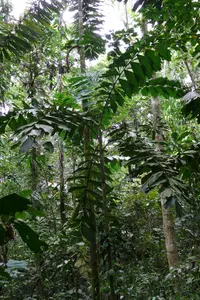
Erman's Birch Care (Betula ermanii)

Also known as: Stone Birch
Erman's Birch

About Erman's Birch

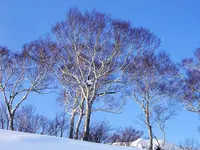
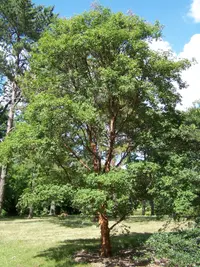
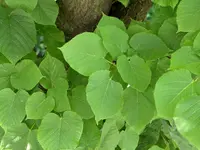
Erman's birch, Betula ermanii, is a hardy deciduous tree valued for its peeling creamy-white to pinkish bark and neat, upright crown. It typically develops a strong central trunk with spreading branches and fine-textured foliage that turns warm yellow in autumn.

This species occurs naturally in northern East Asia, including Japan, Korea, and parts of eastern Russia, often in cool mountain forests. It is generally considered straightforward to grow in gardens with adequate space, as long as the soil is moist but well drained and the site is reasonably cool and bright. Understanding how to care for Erman's Birch mainly involves providing light, open conditions and avoiding very dry or compacted soils.


Main Plant Requirements

Care Difficulty

Moderate Care

Light Preference

Full Sun

Water Requirements

Regular Water

Temperature Preference

Cold Hardy

Hardiness Zone

4–7

Soil Texture

Loamy, Sandy, Organic-rich

Soil pH

Acidic (5.5–6.5), Slightly acidic (6.5–7.0)

Soil Drainage

Moist but well-drained

Fertilization

Minimal (feed rarely)

Get Personalized Care Plan

Scan your plant to receive care tips personalized for your specific plant

Available on iOS and Android

How to Care for the Erman's Birch

This hardy birch prefers bright outdoor conditions with cool roots and access to consistent light.

  • Provide 6–8 hours of sun daily, with full sun in cooler climates and light afternoon shade in hotter regions to reduce leaf scorch.
  • Allow morning sun and dappled or filtered light later in the day, especially for young Erman's Birch trees establishing their canopy.
  • In summer, protect from intense reflected heat from walls or pavement; in dense shade, expect sparse branching, weaker fall color, and slower growth.

This birch favors evenly moist, cool soil but does poorly in standing water or extreme dryness.

  • Aim for soil that stays consistently moist in the root zone; the top 3–5 cm should not stay bone-dry or muddy for long periods.
  • During the first 2–3 years, water deeply when the surface soil feels dry, watching for drooping leaves (too dry) or yellowing and dieback on wet soil (too wet).
  • Ensure well-drained, slightly sandy or loamy soil; in hot, dry spells increase deep watering, while in cool, rainy seasons reduce watering to avoid root rot in Betula ermanii.

This species is a cold-hardy birch that prefers cool to mild summers and can withstand significant winter frost.

  • Optimal growing temperatures are around 50–75°F (10–24°C), with strongest growth in cool, moist conditions rather than intense heat.
  • Mature trees tolerate down to about -20°F (-29°C) or slightly lower, but late spring frosts can damage new leaves and young shoots.
  • In hot regions, prolonged periods above 86°F (30°C) may stress the tree, so combine mulch, good soil moisture, and some afternoon shade to reduce heat stress.

This species is adapted to outdoor conditions and does not have strict humidity requirements in typical temperate climates.

This birch prefers cool, moist, well-structured soil that stays evenly damp but not saturated.

  • Use a deep, loamy soil with a mix of mineral particles and organic matter to support extensive roots.
  • Aim for slightly acidic to neutral pH, around 5.5–7.0, to match typical Betula ermanii woodland conditions.
  • In heavier soils, improve drainage and aeration by working in coarse sand or fine gravel plus well-rotted compost.
  • Avoid compacted clay, waterlogged sites, or very shallow, drought-prone substrates that restrict root development.

This tree is only moderately suitable for container growing and usually stays healthier planted in open ground.

  • Choose a tall, heavy container that resists tipping, since the crown becomes top-heavy as it matures.
  • Use a moisture-retentive but free-draining mix and monitor drying speed, which is faster in pots than in the ground.
  • Position the container where wind exposure is reduced, as restricted root volume gives less anchorage than in soil.

This birch usually needs only light feeding on reasonably fertile soil.

  • Apply a balanced slow-release NPK fertilizer at half strength once in early spring for young or poorly growing trees.
  • On established Betula ermanii in good soil, use a thin layer of compost over the root zone instead of granular fertilizer.
  • Avoid high-nitrogen products that push soft, weak growth and increase pest issues.
  • Do not feed in late summer or winter, to prevent tender growth before dormancy.

Pruning supports a stable structure and maintains safety for Betula ermanii.

  • Carry out main pruning in late summer to reduce bleeding from cut surfaces.
  • Remove dead, diseased, crossing, or storm-damaged branches first, cutting back to the branch collar with clean, sharp tools.
  • Thin crowded inner branches lightly to improve light and airflow while keeping the natural form.
  • Limit large cuts; formative pruning when the tree is young guides long-term shape and strength.

This birch is usually field-grown or planted out, so focus on careful transplanting rather than long-term container culture.

  • Transplant in late fall or very early spring while the tree is dormant to reduce stress.
  • Choose a site with moist, well-drained, slightly acidic soil and full sun, matching or slightly improving the original conditions.
  • Move only young Betula ermanii every few years; older trees resent disturbance and establish best if left in place.
  • Water thoroughly after planting, mulch 5–8 cm deep, and keep the root zone evenly moist during the first 1–2 growing seasons.

Propagation of Betula ermanii is possible but more specialized than for many shrubs or perennials.

  • Sow fresh seed in late fall or late winter, using a free-draining seed mix and leaving seed on or near the surface, as it needs light to germinate.
  • Provide a cold period of 4–8 weeks (stratification) in a fridge or outdoors to break dormancy.
  • Keep trays just moist at 60–70°F once moved to warmth, with bright indirect light for steady seedling growth.
  • Softwood or semi-ripe cuttings are rarely reliable and are usually attempted only in professional setups with mist and bottom heat.

This birch is generally cold hardy and needs minimal winter care once established in the ground.

  • Young trees benefit from 5–8 cm of mulch over the root zone, kept away from the trunk, to reduce freeze–thaw stress.
  • In very exposed sites, use a breathable tree wrap on the lower trunk of young specimens to limit sunscald and bark cracking.
  • Container-grown plants should be moved to a sheltered, unheated area where roots do not freeze solid for long periods.

Care Tips

Winter root protection

In colder zones or exposed sites, apply a 5–8 cm layer of shredded bark or wood chip mulch over the root zone in late fall, keeping it a few cm away from the trunk, to reduce freeze–thaw damage and help young trees establish more reliably.

Wind and snow management

In very windy or heavy-snow areas, use sheltered planting positions or temporary windbreak netting for the first 3–5 winters to reduce branch breakage and trunk lean while the root system anchors firmly.

Trunk flare preservation

Keep soil and mulch pulled back from the trunk so the natural trunk flare is visible, and avoid piling soil around the base, which lowers oxygen around the root collar and increases risk of rot and borers.

Canopy thinning strategy

Every 2–3 years, selectively thin crowded interior branches during dormancy instead of shortening branch tips, which improves air circulation, reduces fungal issues, and highlights the ornamental bark more clearly.

Understory planting choice

Use shallow-rooted, low-maintenance groundcovers rather than turf directly under the canopy so routine lawn irrigation and fertilizing do not compete with the shallow feeder roots when caring for Erman's Birch.

Common Pests and Diseases

Bronze birch borer

This pest attacks stressed birch trees, tunneling under the bark and disrupting water movement, which leads to dieback from the top of the crown downward.

Solution

Improve tree vigor with regular watering during dry spells, 5–8 cm of organic mulch over the root zone (kept off the trunk), and avoidance of trunk injury; prune and destroy heavily infested branches and consider a systemic insecticide applied by a licensed professional in high‑risk areas as part of Betula ermanii care instructions.

Aphids

These insects feed on young leaves and shoots, causing leaf curling, sticky honeydew, and sometimes sooty mold on foliage and bark.

Solution

Spray colonies off with a strong stream of water, encourage natural predators such as lady beetles, and use insecticidal soap or horticultural oil on the undersides of leaves, repeating every 7–10 days until populations decline.

Leaf spot (Marssonina / Septoria)

This disease causes dark, irregular spots on leaves that may merge, leading to premature leaf yellowing and drop, especially in warm, wet periods.

Solution

Rake and dispose of fallen leaves to reduce spores, avoid overhead watering, and improve air circulation; in severe, recurrent cases, apply a suitable fungicide at leaf emergence and repeat according to label directions.

Birch canker

This disease creates sunken, often cracked areas on stems and branches, which can girdle limbs and cause dieback above the affected point.

Solution

Prune out and destroy infected branches back to healthy wood during dry weather, disinfect pruning tools between cuts, reduce stress with proper watering and mulching, and avoid mechanical damage to the trunk and roots.

Birch leaf miner

This pest’s larvae tunnel between the upper and lower leaf surfaces, producing pale, blotchy mines that can give the canopy a scorched appearance when infestations are heavy.

Solution

Remove and dispose of mined leaves early in the season to reduce larvae, monitor new growth, and, where damage is persistent, use targeted systemic or contact insecticides timed to adult emergence based on local extension advice.

Interesting Facts

Peeling salmon bark

The trunk and older branches develop creamy to pale pink bark that peels in thin, papery sheets, exposing fresh coppery layers beneath and creating strong winter interest in cold climates.

High-altitude specialist

This species is naturally native to cool, mountainous regions of northeast Asia, where it forms forests or mixed stands on exposed slopes and ridges, tolerating wind, snow load, and low winter temperatures better than many other birches.

Soil-tolerant pioneer

In its native range, this tree often colonizes disturbed or harsh sites such as volcanic slopes and shallow, stony soils, acting as a pioneer species that stabilizes the ground and improves conditions for other plants.

Botan icon

Did you know?

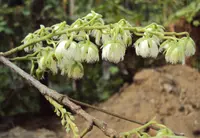
In parts of Japan, long-term phenological records show that Erman's birch leaf-out and flowering times have shifted noticeably over recent decades, so researchers now use it as one of several indicator species when studying how montane forest ecosystems respond to climate warming.

FAQs about Erman's Birch

This tree is moderately fast-growing, typically adding 30–60 cm of height per year once established. Growth is quicker in deep, moist, well-drained soil and cooler climates, and slows in heat, drought, or compacted ground.

Grow Healthy Plants with Botan Care

Keep your plants happy and healthy with plant identification, disease detection, and easy care guidance.

Botan plant care app — identify plants on mobile

Explore More Plants