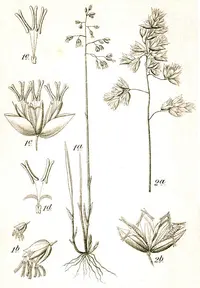
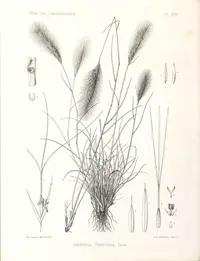
Switch Grass Care (Panicum virgatum 'Shenandoah')

Also known as: Wand Panic Grass
Switch Grass

About Switch Grass

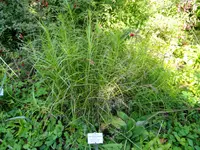
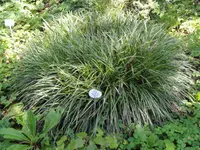
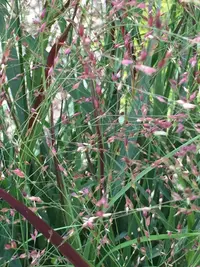
Switch grass Panicum virgatum 'Shenandoah' is a warm-season ornamental grass valued for its upright, tidy habit and changing foliage color. The leaves emerge green with red tips, then deepen to burgundy tones by late summer and fall.

This cultivar is native to North American prairies and open fields, where it grows in full sun and well-drained soils. It forms clumps rather than spreading aggressively, which makes it suitable for borders, meadow-style plantings, and low-maintenance landscapes.

It is generally easy to grow, tolerant of heat, drought once established, and a range of soil types. These traits make it straightforward to care for Switch Grass in typical garden conditions.

Main Plant Requirements

Care Difficulty

Easy Care

Light Preference

Full Sun

Water Requirements

Moderate Water

Temperature Preference

Cold Hardy

Hardiness Zone

4–9

Soil Texture

Sandy, Loamy, Clay

Soil pH

Acidic (5.5–6.5), Slightly acidic (6.5–7.0)

Soil Drainage

Moist but well-drained

Fertilization

Minimal (feed rarely)

Get Personalized Care Plan

Scan your plant to receive care tips personalized for your specific plant

Available on iOS and Android

How to Care for the Switch Grass

This warm-season ornamental grass thrives with strong light to color well and stay upright.

  • Provide full sun for 6–8 hours daily; 8+ hours gives the best red and burgundy tints in Switch Grass foliage.
  • Tolerates light afternoon shade, especially in hotter regions, but color may be greener and stems slightly looser with under 5–6 hours of direct sun.
  • Avoid deep shade, which causes weak, floppy growth; in very intense sun, ensure soil does not dry out completely to prevent leaf tip scorch.

This grass prefers moderately moist, well-drained soil and becomes more drought tolerant once established.

  • At planting, water deeply whenever the top 3–5 cm of soil is dry, aiming for slow soaking that reaches the full root zone.
  • Once established, reduce frequency and use soil feel: leaves curling or folding signal drought stress, while yellowing bases and soggy soil indicate overwatering.
  • Panicum virgatum 'Shenandoah' manages short dry spells but performs best in soils that drain freely and do not remain waterlogged after heavy rain.

This warm-season grass grows best in heat but survives a wide range of outdoor temperatures.

  • Active growth is strongest around 70–90°F (21–32°C); cooler periods slow top growth but roots continue to develop moderately.
  • Fully hardy in many temperate climates, it tolerates winter lows near -20°F (-29°C) when planted in the ground and mulched lightly.
  • Foliage handles summer heat above 95°F (35°C) if soil moisture is adequate; expect the plant to go fully dormant and brown in cold winters, then resprout in spring.

This warm-season grass is adapted to outdoor conditions and does not have specific humidity requirements.

This grass prefers moderately fertile, well-drained mineral soil that does not stay saturated.

  • Use a loamy or sandy loam mix with 20–30% compost to support strong root development.
  • Ensure free drainage; in heavy clay, amend the top 20–30 cm with coarse sand or fine gravel and compost to reduce waterlogging.
  • Aim for slightly acidic to neutral pH, around 6.0–7.5, which suits Panicum virgatum 'Shenandoah'.
  • Avoid dense, unamended clay, compacted sites, or spots where water collects after rain, which can cause root decline.

This species can grow successfully in containers outdoors if the pot is stable and drains efficiently.

  • Choose a deep, heavy container that resists tipping as the tall foliage becomes wind-exposed and top-heavy.
  • Select a thick-walled or ceramic pot if placed in full sun, since it buffers rapid moisture loss compared with thin plastic.
  • Fill the container with a coarse, fast-draining mix containing at least 30–40% mineral grit to prevent chronic root wetness.

This native ornamental grass usually needs minimal feeding in open garden soil, but light fertilization can support growth in poor or container media.

  • Apply a thin layer of compost around clumps in early spring to boost soil organic matter.
  • Use a balanced slow-release fertilizer (around 10-10-10) at half strength once in early spring, only if growth seems weak.
  • Avoid high-nitrogen lawn fertilizers, which can cause floppy growth and reduce fall color in Switch Grass.
  • Do not fertilize in late fall or winter, as the plant is dormant and excess nutrients may leach away.

Pruning maintains tidy form and renews foliage on Panicum virgatum 'Shenandoah'.

  • Cut back all stems to 10–15 cm above ground in late winter or very early spring before new shoots emerge.
  • Remove dead, broken, or winter-damaged stems with sharp hand pruners to keep clumps healthy.
  • Thin out a few of the oldest, densest stems at the base to improve air flow and reduce lodging.
  • Leave seed heads standing through winter if desired for structure and wildlife value, then cut down in one pass.

This ornamental grass is most often grown in the ground; transplanting established clumps is infrequent but sometimes necessary.

  • Plan division or transplanting in early spring as new growth starts, or in early fall while soil is still warm.
  • Look for signs such as congested centers, declining vigor, or roots circling a pot if grown in containers.
  • Lift the clump with a spade, slice into sections with a sharp knife or spade, and retain generous roots for each division.
  • Replant divisions at the same depth in well-drained soil, water thoroughly, and keep evenly moist for 2–3 weeks to limit stress.

Propagation of Panicum virgatum 'Shenandoah' is most reliable by division, which preserves the cultivar traits.

  • Divide mature clumps in early spring just as new shoots appear and soil is workable.
  • Lift the clump and cut into several firm sections, each with healthy buds and roots.
  • Replant divisions immediately into prepared, well-drained soil and water deeply to settle roots.
  • Seeds are optional but often do not come true to type; if used, sow in spring in a bright, warm spot and keep evenly moist.

This perennial grass is cold hardy in much of the US and usually requires minimal winter care in the ground.

  • Leave dried foliage and seed heads standing through winter for crown insulation and habitat.
  • In colder regions or exposed sites, apply a 5–7 cm mulch layer around the base after soil cools.
  • For containers, move pots to a sheltered, unheated area and insulate the container to prevent repeated freeze–thaw around roots.

Care Tips

Late-season cutting

Leave stems standing through winter for crown protection and wildlife habitat, then cut clumps back to 5–10 cm in late winter before new growth emerges to keep stands dense and uniform.

Clump division schedule

Divide mature clumps every 4–6 years in early spring, replanting only the vigorous outer sections to prevent center die-out and maintain strong upright growth.

Support in windy sites

In exposed locations, run a discreet rope or soft twine loop around several clumps at mid-height to keep stems from lodging in storms while preserving the plant’s natural vase shape.

Targeted self-seed control

If unwanted seedlings appear, shear off or hand-strip the seed heads in late fall before they shatter, which maintains ornamental value while limiting spread into nearby beds or lawns.

Summer vigor check

By midsummer, inspect for thinning or floppy sections and top-dress the root zone with 1–2 cm of compost and a light mulch ring to support long-term vigor when growing Switch Grass in the same spot for many years.

Common Pests and Diseases

Rust

This disease causes small orange to brown pustules on leaf surfaces, often leading to early browning and reduced vigor in late summer. Symptoms include more severe spotting in dense, humid plantings.

Solution

Remove and dispose of heavily infected leaves to reduce spore load, and thin or divide clumps to improve airflow and reduce humidity around foliage. Avoid overhead watering, clean up all fallen leaves in autumn, and if rust recurs yearly in ornamental plantings, use a labeled fungicide containing myclobutanil or propiconazole applied according to Switch Grass care instructions.

Leaf spot

This disease produces tan to dark brown spots on leaves, sometimes with purple or reddish margins, which can merge and cause sections of foliage to die back. Symptoms include a generally patchy, weathered appearance rather than uniform browning.

Solution

Cut back and discard affected foliage at season’s end to remove inoculum, and maintain good spacing between clumps to keep leaves dry. If leaf spot becomes severe, avoid evening irrigation, water at soil level, and consider a broad-spectrum ornamental grass fungicide used according to label directions.

Aphids

These insects are small, soft-bodied sap feeders that cluster on stems and leaf bases, sometimes causing yellowing or distortion of new growth. This pest can leave sticky honeydew that may attract sooty mold fungi.

Solution

Spray plants with a strong stream of water to dislodge colonies, focusing on stem bases and leaf sheaths. For persistent infestations, apply insecticidal soap or a neem oil product in the early morning, repeating as needed, and encourage natural predators such as lady beetles by minimizing broad-spectrum insecticide use.

Grasshoppers

These insects chew irregular holes and ragged edges in leaves, which can be noticeable on younger clumps in dry, open sites. This pest is often more common in hot, dry summers and near unmanaged grassy areas or fields.

Solution

Handpick grasshoppers where feasible and encourage birds and beneficial insects by maintaining nearby diverse plantings. In high-pressure areas, use floating row covers on young plantings until clumps establish, or apply a targeted bait labeled for grasshoppers, keeping it off areas used by pets and children.

Powdery mildew

This disease appears as a light gray to white powdery coating on leaves, usually in warm days and cool nights with high humidity, and can dull the foliage color. Symptoms include reduced photosynthesis and, in severe cases, early leaf aging.

Solution

Improve air circulation by thinning nearby vegetation and avoiding overcrowding or excessive nitrogen fertilization that promotes lush, dense growth. Remove the worst-affected leaves and, if needed, treat during early onset with a labeled horticultural oil or sulfur-based fungicide, applied in cool parts of the day to avoid leaf burn.

Interesting Facts

Distinct red foliage

Shenandoah was selected for its unusually strong red pigmentation, with green blades that progressively turn wine-red from early summer rather than only coloring at season’s end like many other switch grass cultivars.

Stable upright habit

This cultivar is known for its comparatively stiff, upright clumps that resist flopping under moderate wind and rain, a trait valued in mixed borders and naturalistic plantings.

Consistent compact size

Shenandoah maintains a relatively compact height and width within the switch grass group, which makes it more predictable for designers who need uniform drifts and repeated accent clumps.

Botan icon

Did you know?

This cultivar was introduced and popularized in European ornamental breeding programs specifically for its combination of red foliage and fine, airy flower panicles, and it later became one of the reference selections in trials comparing ornamental switch grasses for garden performance.

FAQs about Switch Grass

Brown tips often result from drought stress, high heat, or accumulated salts from fertilizer. Deep, occasional watering, a light spring feeding, and leaving a thin mulch layer usually stabilize foliage without complicated Panicum virgatum 'Shenandoah' care adjustments.

Grow Healthy Plants with Botan Care

Keep your plants happy and healthy with plant identification, disease detection, and easy care guidance.

Botan plant care app — identify plants on mobile

Explore More Plants