Ancient Plants Without Roots or Veins
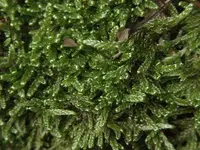
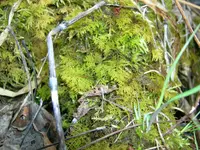
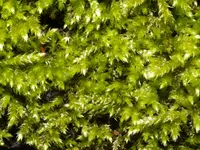
Mosses are non-vascular plants. They don’t have true roots, stems, and leaves, so they absorb water and nutrients through their surface. Most species grow just a few centimeters tall; some are barely visible to the naked eye.
They have been on land for about 460 million years — fossil evidence confirms they were among the earliest plants to colonize dry land, long before flowering plants existed.
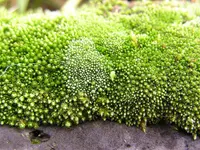
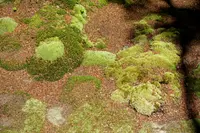
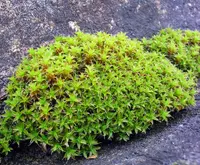
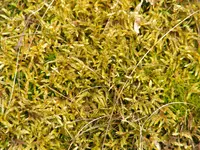
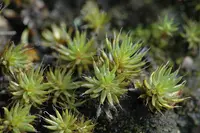
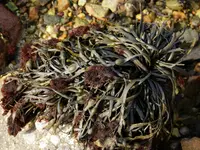
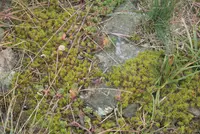
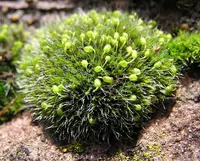
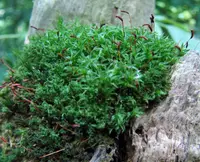
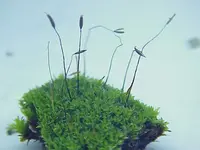
They can dry out completely and rehydrate when moisture returns. This lets them survive on surfaces like bare granite or exposed rock, just as Andreaea moss does today.
3 Names of Moss: True Mosses, Liverworts & Hornworts
This name is often used for all bryophytes, but three separate divisions:
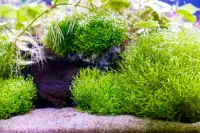
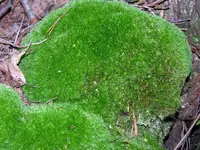
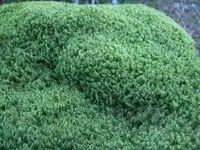
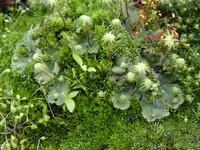
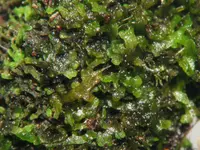
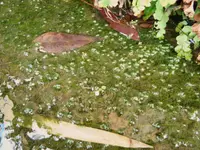
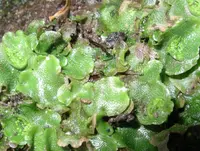
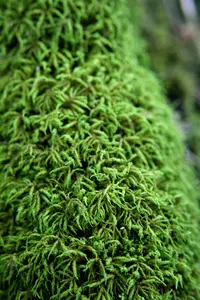
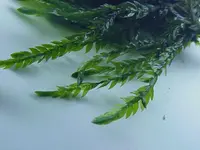
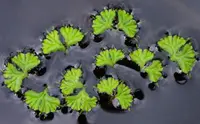
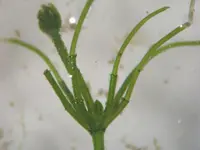
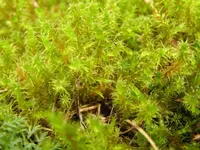
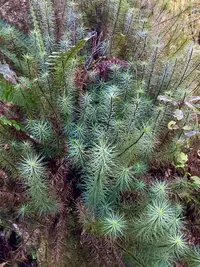
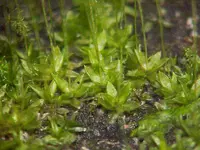
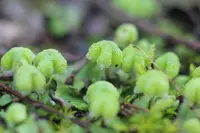
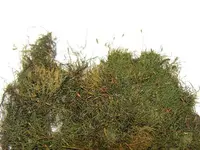
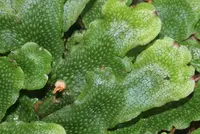
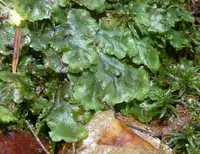
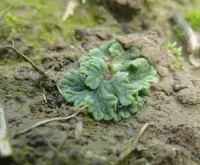
Despite looking similar, these 3 groups are structurally distinct. Crystalwort, a liverwort, floats on still water, field hornwort spreads flat across damp soil, and true mosses form cushions on rock and bark.
The Ecosystem Engineers
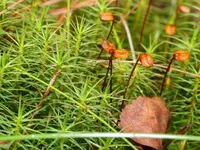
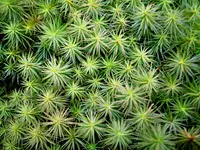
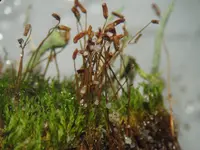
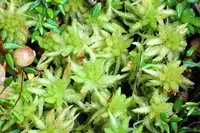
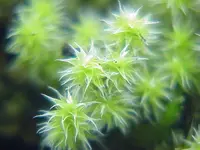
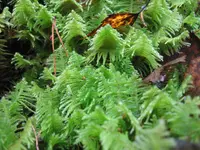
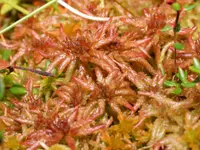
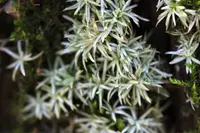
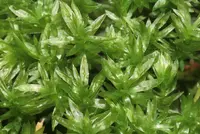
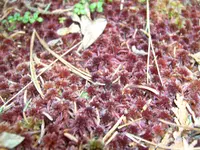
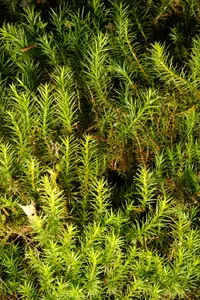
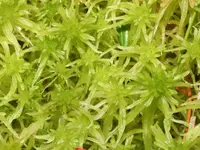
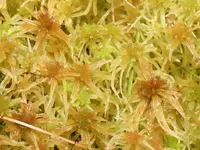
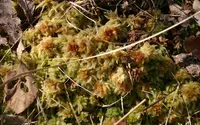
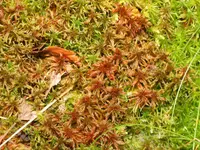
These plants retain water far beyond their own weight, stabilizing humidity in forests and sustaining wetland habitats. Their dense carpets also shelter microorganisms, fungi, and invertebrates. Ribbed bog moss is a typical example — its thick cushions keep surrounding soil moist long after rain stops.
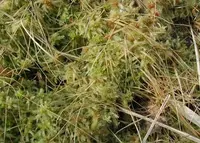
Sphagnum moss plays an outsized role in global climate. It builds peatlands by slowing decomposition — dead material that locks carbon away for centuries. Moreover, peatlands cover just 3% of global land area yet hold around 30% of the world's soil carbon.