4 min read · 28 Oct 2026
Deer Damage to Trees: How to Protect Plants in Your Garden
Every fall, gardeners and landowners find young trees with shredded bark, snapped branches and bare patches on the trunk. What to do?
Plant Problems

The full list of berries should include both botanical and culinary types. Our selection covers them all, from bilberry and crownberry to aggregate and accessory fruits like raspberries and strawberries.
Sky flower
Duranta erecta
Highbush blueberry
Vaccinium corymbosum
Beadplant
Nertera granadensis
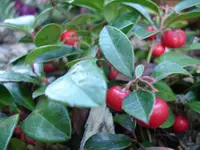
Wintergreen
Gaultheria procumbens
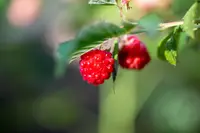
Raspberry
Rubus idaeus
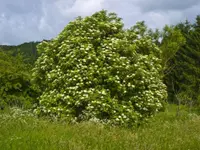
Elder
Sambucus nigra
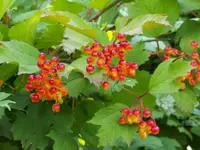
Snowball tree
Viburnum opulus
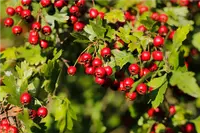
hawthorn
Crataegus monogyna
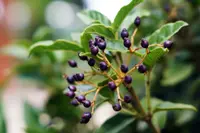
black chokeberry
Aronia melanocarpa

American black elderberry
Sambucus canadensis
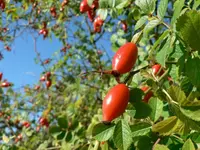
dog rose
Rosa canina
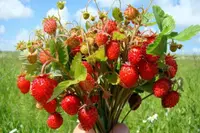
Virginia strawberry
Fragaria virginiana
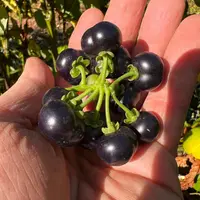
black nightshade
Solanum nigrum
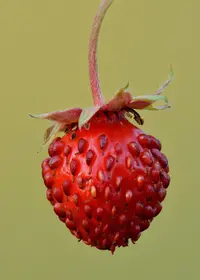
wild strawberry
Fragaria vesca
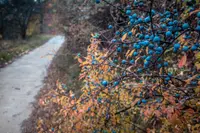
Canadian serviceberry
Amelanchier canadensis
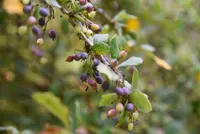
common serviceberry
Amelanchier arborea
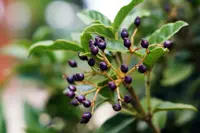
Saskatoon serviceberry
Amelanchier alnifolia
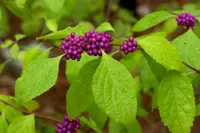
American beautyberry
Callicarpa americana
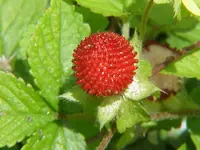
mock strawberry
Potentilla indica

evergreen huckleberry
Vaccinium ovatum
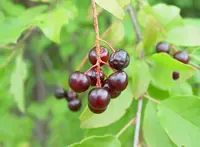
chokecherry
Prunus virginiana
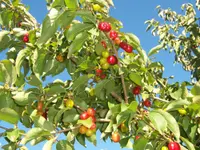
Cornelian cherry
Cornus mas
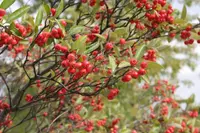
red chokeberry
Aronia arbutifolia
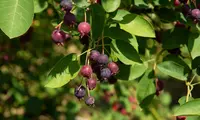
Allegheny serviceberry
Amelanchier laevis
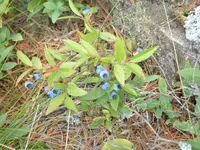
lowbush blueberry
Vaccinium angustifolium
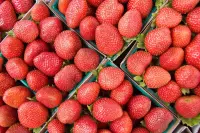
beach strawberry
Fragaria chiloensis
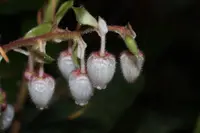
salal
Gaultheria shallon
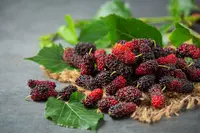
black mulberry
Morus nigra
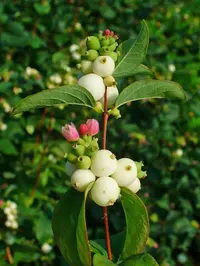
common snowberry
Symphoricarpos albus
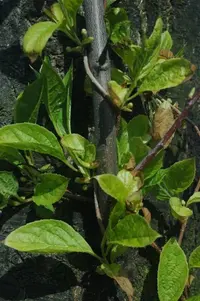
Chinese magnolia-vine
Schisandra chinensis
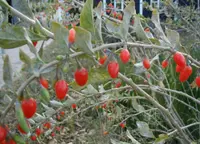
matrimony vine
Lycium barbarum
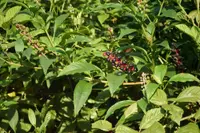
American pokeweed
Phytolacca americana
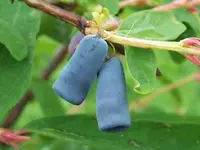
sweetberry honeysuckle
Lonicera caerulea
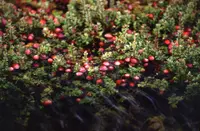
cranberry
Vaccinium macrocarpon
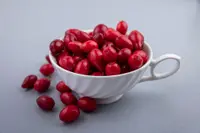
Common Barberry
Berberis vulgaris
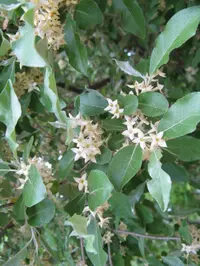
autumn olive
Elaeagnus umbellata
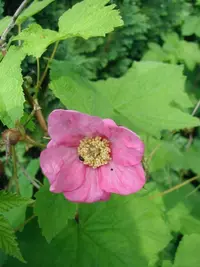
purpleflowering raspberry
Rubus odoratus
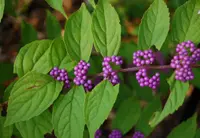
purple beautyberry
Callicarpa dichotoma
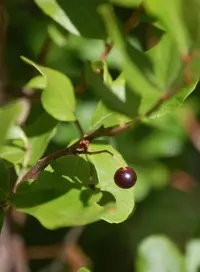
black huckleberry
Gaylussacia baccata
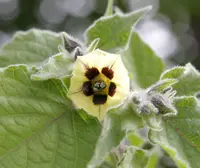
Cape gooseberry
Physalis peruviana
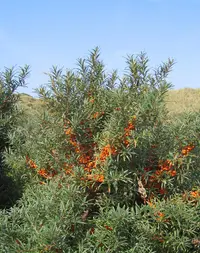
Sea-buckthorn
Hippophae rhamnoides
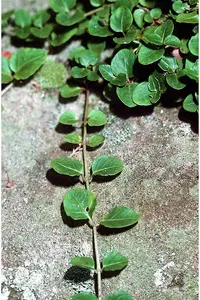
partridgeberry
Mitchella repens
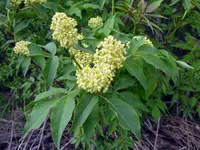
Red-berried Elder
Sambucus racemosa
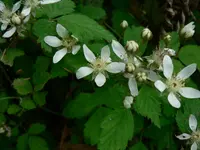
California blackberry
Rubus ursinus
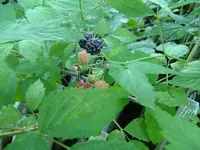
black raspberry
Rubus occidentalis
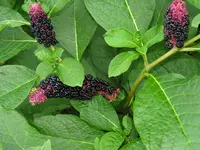
Indian Pokeweed
Phytolacca acinosa
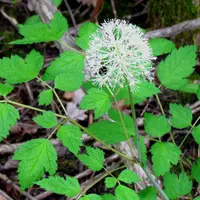
white baneberry
Actaea pachypoda
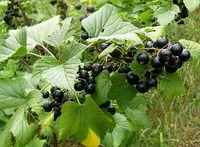
Black Currant
Ribes nigrum
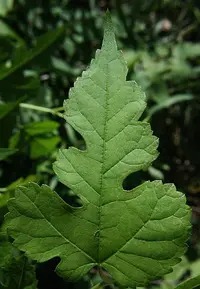
red mulberry
Morus rubra
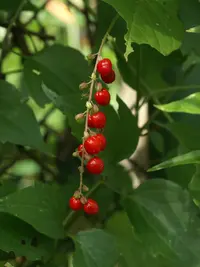
rougeplant
Rivina humilis
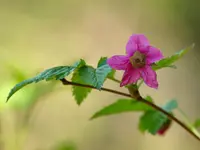
salmonberry
Rubus spectabilis
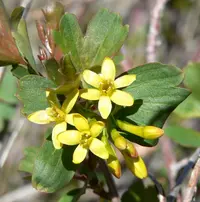
golden currant
Ribes aureum
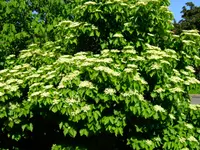
linden arrowwood
Viburnum dilatatum
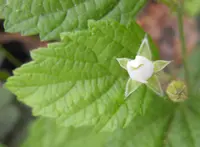
whitebark raspberry
Rubus leucodermis
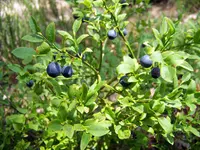
whortleberry
Vaccinium myrtillus
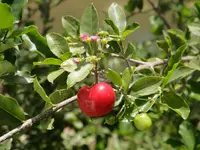
wild crapemyrtle
Malpighia glabra
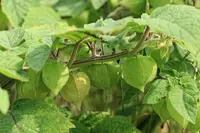
strawberry tomato
Physalis pruinosa
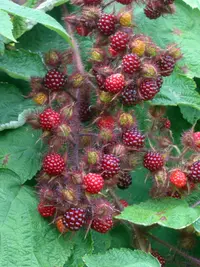
wine raspberry
Rubus phoenicolasius
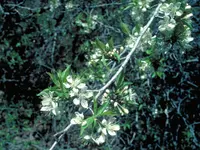
pin cherry
Prunus pensylvanica
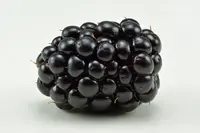
shrubby blackberry
Rubus fruticosus
Download our free app and get access to thousands of plants database with AI-powered identification
Botanically, a berry develops from a single flower and then grows from a single ovary, with the seeds fully embedded in pulpy tissue. That explains why tomatoes, grapes, and bananas all qualify for the category, even though we commonly consider them fruits or vegetables.
In culinary terms, berries are all small, juicy fruits that can be eaten with their skin and seeds. For instance, strawberries and raspberries are, in fact, accessory and aggregate fruits. So even the names of berries that seem to directly indicate their type can be botanically misleading.
There are 3 key types depending on which part of the flower develops into a small fruit.
True berries, such as blueberries, kiwis, and grapes, come from a single ovary.
Aggregate fruits, such as raspberries and blackberries, develop from a cluster of many small fruitlets from separate pistils or carpels.
Accessory species like strawberries and figs develop their edible, fleshy parts from plant tissues outside the ovary.
Plant | Type | Plant Form |
True | Shrub | |
True | Trailing shrub | |
True | Shrub | |
Aggregate fruit | Shrub | |
Aggregate fruit | Vine-like shrub | |
Accessory fruit | Herbaceous perennial |
Many aggregate and accessory species are in the family Rosaceae. By contrast, true berries are spread across many unrelated families.
All berries fall into two groups: edible and ornamental species.
Currants, gooseberries, elderberries, and other edible species are widely grown for their flavor, nutritional value, and vitamin content. Ornamental species are also widely planted for aesthetic value or as privacy screens.
The most common example of ornamentals is English holly. The red berries on this shrub contain saponins that are toxic to humans and most pets. It’s harmless for birds, though, and it looks great in winter, which is why it’s very widely planted.
The time of ripening varies greatly across species. For example, raspberries develop fruits in 30-36 days.
Productive lifespan varies even within one species. For example, different types of blackberry may offer just 1-5 or 40+ productive years. Also, some berry shrubs can be perennial underground and biennial above ground.
Fruiting periods also vary greatly. Strawberries get ripe in June, blueberries — through midsummer, while blackberries start ripening from late July.
4 min read · 28 Oct 2026
Every fall, gardeners and landowners find young trees with shredded bark, snapped branches and bare patches on the trunk. What to do?
7 min read · 26 Aug 2026
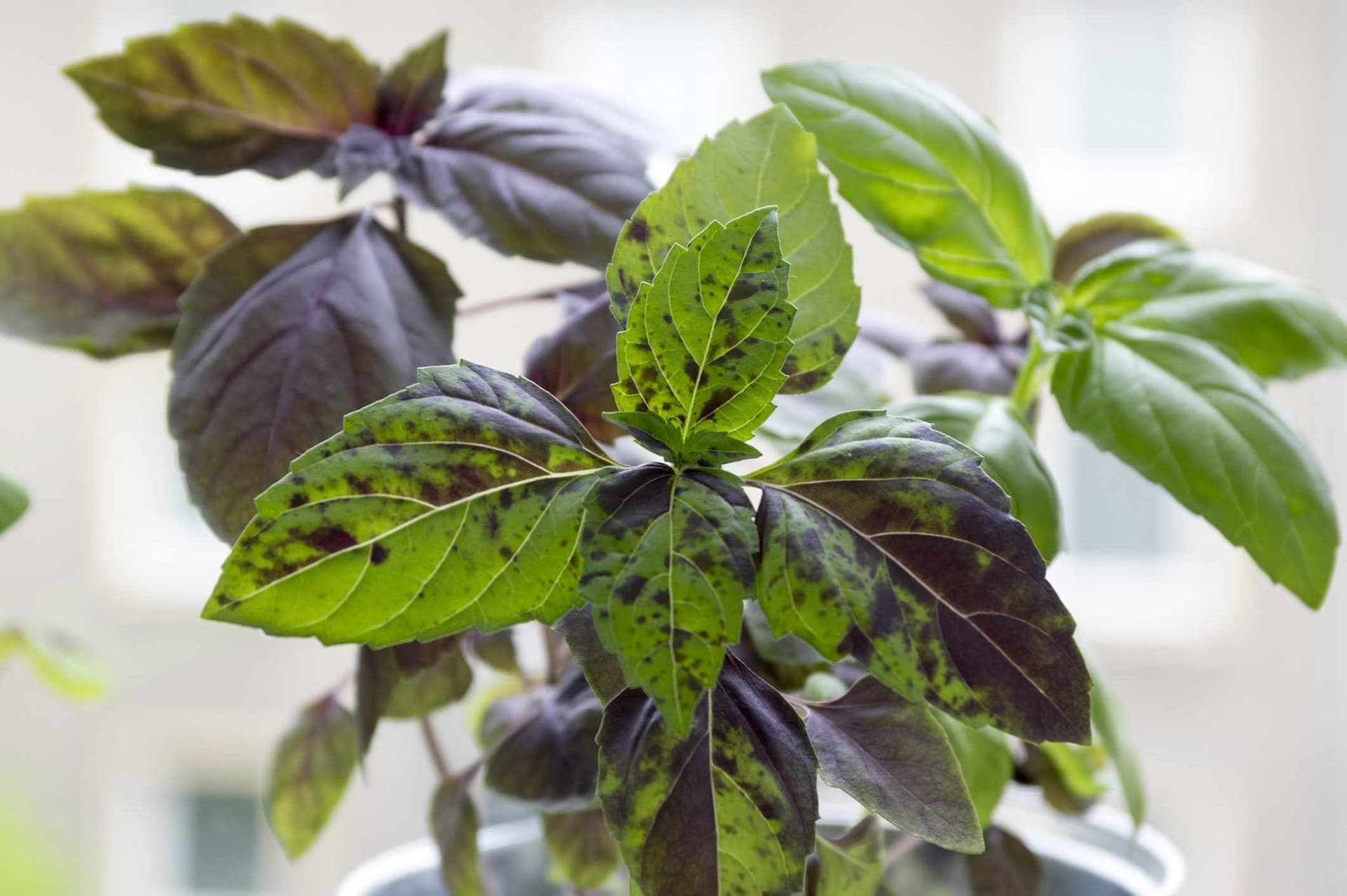
Brown spots can appear after watering mistakes or disease. Cold exposure and pests leave a distinct pattern too. Learn how to diagnose damaged basil and prevent new marks.
10 min read · 7 Jul 2026
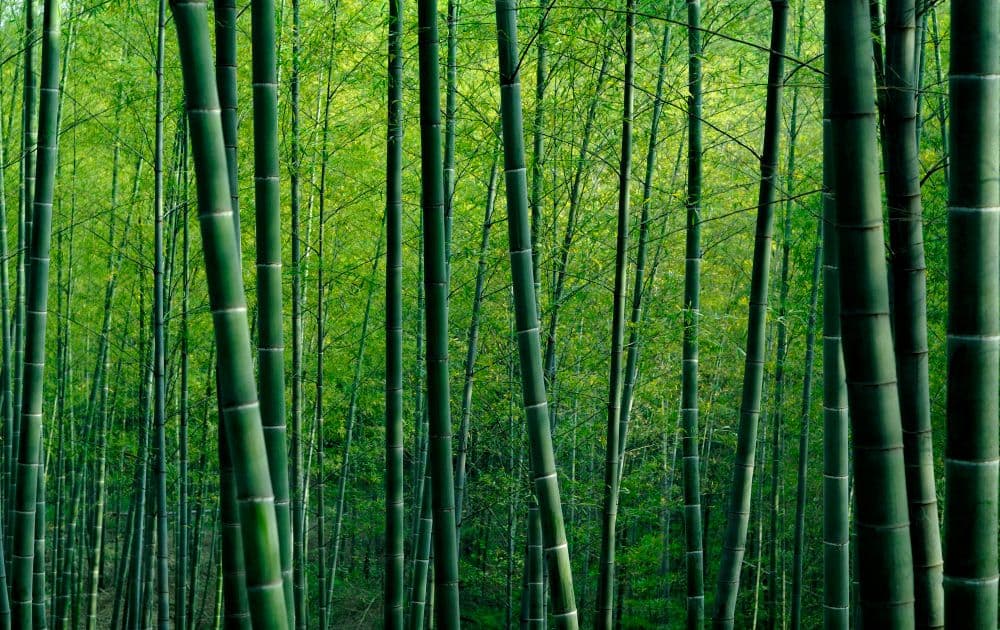
Bamboo grows extremely fast: some species can reach 5-6 m in just 3-4 months under the right conditions. This guide explains how much bamboo can grow per day, week, and year, and what affects its growth rate.