What Makes a Plant a Vine?
A vine is any plant that climbs or trails rather than growing upright. Over 25,000 species share this habit. Climbing evolved independently as a strategy for reaching light, and climbing species now occur across more than 130 unrelated plant families.
This is why "vine" is a growth form, not a taxonomic group. Climbing plants are most diverse in tropical forests. They account for between 15% and 45% of all woody species.
The Four Climbing Mechanisms
Not all plants in this group climb the same way — there are 4 mechanisms of growth and support.
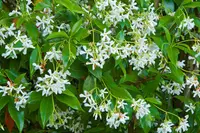
The mechanisms differ structurally, not just visually. Pink Jasmine spirals around wire or trellis to climb. English ivy anchors into brick or bark via adventitious roots.
Woody Lianas and Herbaceous Vines
Our list of climbing plants includes two types: woody species (lianas) and herbaceous vines.
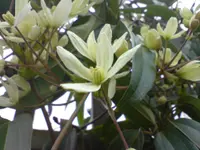
Lianas include some of the most species-rich climbing genera — Clematis alone counts around 380 species, like Creeping Fig with stems that thicken and harden with age, reaching up to 12 meters.
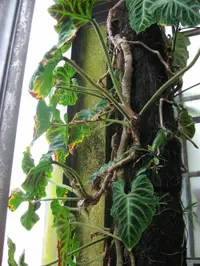
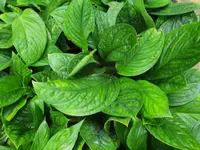
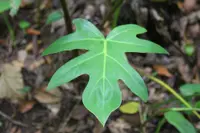
The herbaceous side is dominated by Ipomoea (morning glories), with over 500 species — most growing as annuals in temperate regions. Arrowhead vine is a tropical perennial counterpart. It grows year-round. Its stem remains soft and never develops woody tissue.