Sturdy Support Choice
Install a permanent, heavy-duty support such as a metal arbor, chain-link fence, or strong wooden pergola before planting, since mature vines become woody and heavy over time.

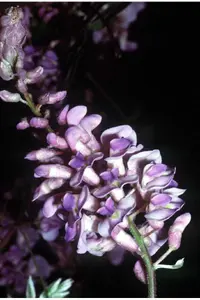
American wisteria, Wisteria frutescens, is a woody, deciduous vine native to the southeastern United States. It naturally grows along stream banks, forest edges, and wet thickets.
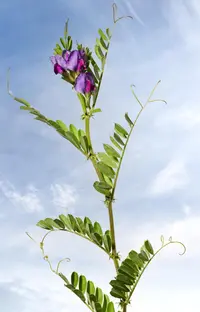
The plant twines around supports, forming long, leafy stems with clusters of fragrant, lavender to bluish flowers in late spring to early summer. Its growth is vigorous but usually less aggressive than Asian wisteria species.
American wisteria prefers full sun to light shade, evenly moist soil, and good drainage. With proper support and pruning, many gardeners find it manageable and rewarding to care for American wisteria.

Care Difficulty
Moderate Care

Light Preference
Full Sun

Water Requirements
Moderate Water

Temperature Preference
Cold Hardy

Hardiness Zone
5–9

Soil Texture
Sandy, Loamy, Clay

Soil pH
Acidic (5.5–6.5), Slightly acidic (6.5–7.0)

Soil Drainage
Moist but well-drained

Fertilization
Minimal (feed rarely)
Scan your plant to receive care tips personalized for your specific plant
Available on iOS and Android
American wisteria needs strong light to flower well but can tolerate brief partial shade.
Wisteria frutescens prefers steadily moist, well-drained soil rather than extremes of wet or dry.
This vine is cold hardy yet grows best in moderate, stable outdoor temperatures.
This species tolerates a broad humidity range and usually does not need special humidity control outdoors.
This vine prefers deep, moist, well-drained soil with stable structure for long-term growth.
This species can be grown in containers for several years if the pot is chosen and managed carefully.
This native vine blooms best in lean soil, so American wisteria usually needs only light, targeted feeding.
Thoughtful pruning keeps Wisteria frutescens flowering well and prevents it from becoming too heavy or tangled.
This vine is usually grown in the ground, so care focuses more on transplanting young plants than on frequent repotting.
New plants are most reliable from cuttings or layering, while seed is used mainly for breeding or rootstock.
This species is quite cold hardy in much of the US and usually needs only modest winter attention outdoors.

Plant Health Check
Not sure what's wrong with your plant? Check your plant's health inside the app.
This species is native to the southeastern United States, where it grows along forest edges, stream banks, and thickets rather than being introduced from Asia like the more aggressive Chinese and Japanese wisterias.
Compared with Asian wisterias, this vine has shorter, less woody stems and smaller flower clusters, so it is less likely to strangle or structurally damage supporting trees and pergolas.
Its fragrant, lavender to bluish flower clusters typically appear in late spring to early summer and may rebloom sporadically later in the season, extending the flowering period compared with many spring-only wisterias.

Unlike the invasive Asian species, this native vine provides nectar and pollen for local bees and other pollinators while fitting more naturally into North American ecosystems, which is an important consideration for Wisteria frutescens care in wildlife-friendly gardens.
Lack of flowers often comes from excessive nitrogen fertilizer, too much shade, very hard pruning at the wrong time, or a still-immature vine. Late frosts can also damage flower buds and reduce or prevent blooming for that season.
Keep your plants happy and healthy with plant identification, disease detection, and easy care guidance.