What Makes a Plant a Cycad?
Cycads are seed-producing plants with a fossil record stretching back 270-280 million years. They belong to the gymnosperms, the same broad group as pines and ginkgos.
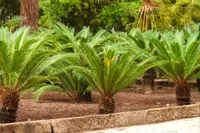
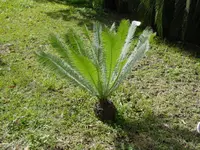
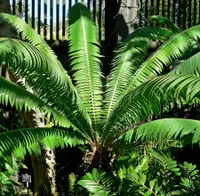
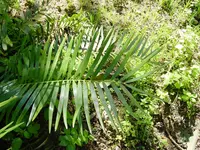
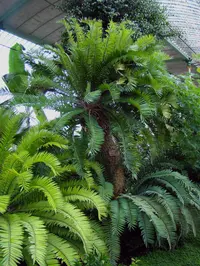
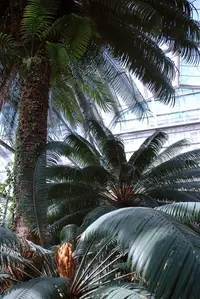
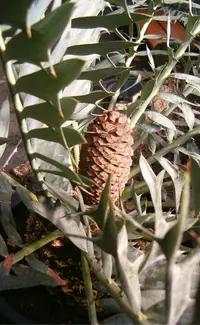
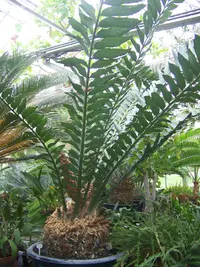
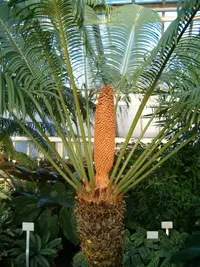
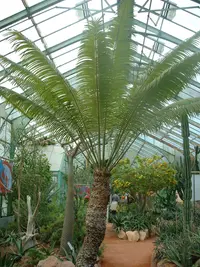
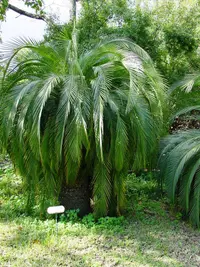
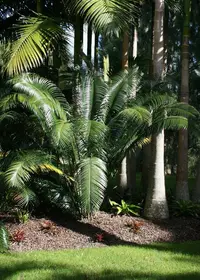
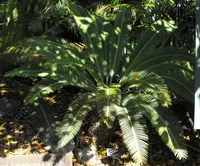
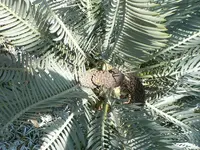
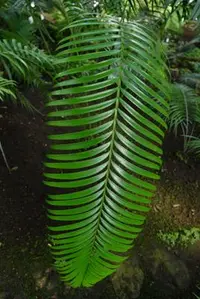
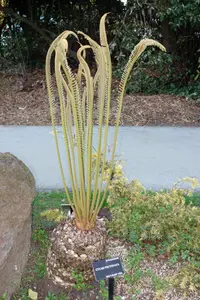
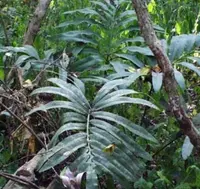
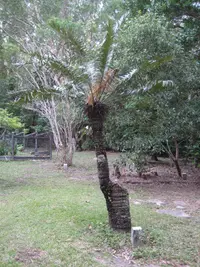
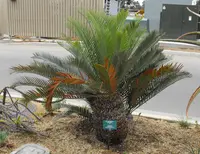
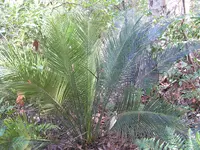
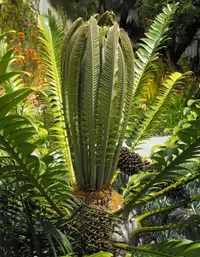
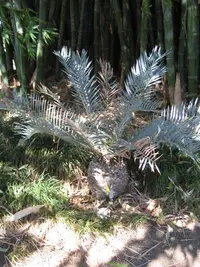
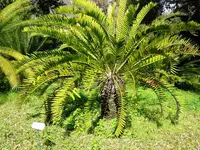
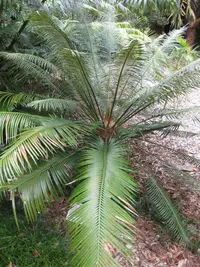
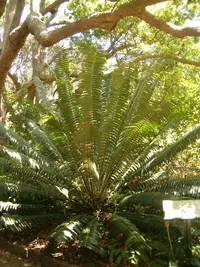
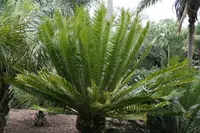
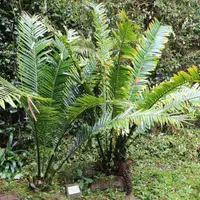
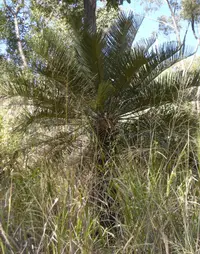
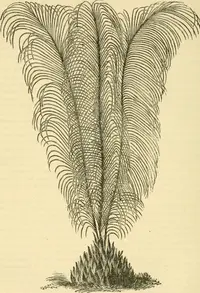
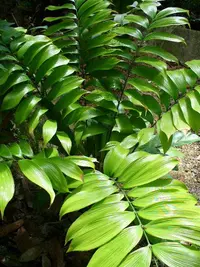
They are defined by the column-like trunk, large, feather-shaped compound leaves, and reproduction through cones. They may look like palms or ferns at a glance. But palms are flowering plants, while ferns don't produce seeds at all.
Cycads vs. Palms: The Structural Differences
So, the real distinction is reproductive.
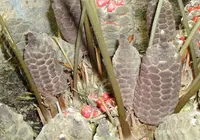
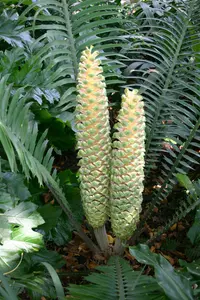
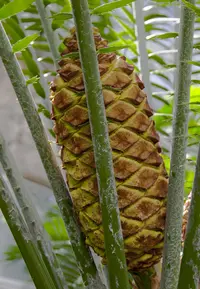
For example, the Sago palm is a cycad with a pineapple-shaped male cone. A true palm like the Parlor palm flowers and produces fruit instead.
These ancient plants also grow far more slowly. Some take 100 years to put on just one meter of trunk.
Diversity and Extinction Risk
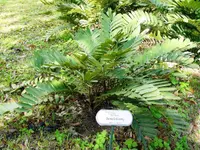
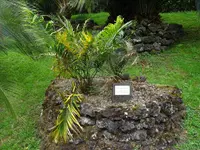
This group includes 10 genera and 382 species, distributed across tropical and subtropical regions. Zamia, with 90 plants spread from Florida to Bolivia, is the largest American genus.
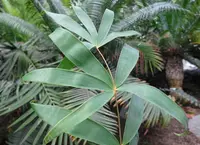
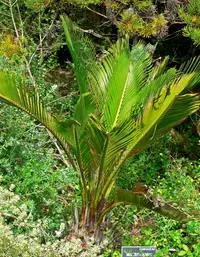
The four remaining genera — Bowenia, Lepidozamia, Microcycas, and Stangeria — account for just 6 species between them.
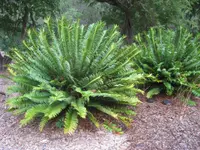
Around 60% of assessed species are listed as critically endangered, endangered, or vulnerable by the IUCN. Encephalartos carries the highest concentration of threatened species of any cycad genus.