Cycas media Care

Cycas media

About Cycas media

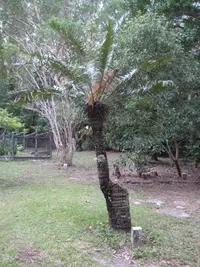
Cycas media is a slow-growing cycad with a thick, woody trunk and a crown of stiff, glossy, feather-like leaves. It resembles a small palm but is not a true palm. Native to northern and eastern Australia, it usually grows in open forests and coastal areas with warm, well-drained conditions. The plant is long-lived and structurally tough, which makes it resilient but also slow to replace damaged growth. It prefers bright light, good drainage, and moderate moisture, so consistent conditions are important. Understanding how to care for Cycas media helps owners keep it healthy over many years.

Main Plant Requirements

Care Difficulty

Moderate Care

Light Preference

Full Sun

Water Requirements

Low Water

Temperature Preference

Warm Climate

Hardiness Zone

9–11

Soil Texture

Sandy, Loamy, Rocky

Soil pH

Slightly acidic (6.5–7.0), Neutral (7.0)

Soil Drainage

Well-drained

Fertilization

Minimal (feed rarely)

Get Personalized Care Plan

Scan your plant to receive care tips personalized for your specific plant

Available on iOS and Android

How to Care for the Cycas media

This species prefers bright outdoor conditions with some protection from intense midday sun.

  • Provide 4–6 hours of direct morning sun with light afternoon shade; eastern exposure suits Cycas media well in most climates.
  • Allow dappled or filtered light under high trees in hotter regions to prevent leaflet scorch and yellowing from strong afternoon sun.
  • Avoid deep shade, which leads to sparse, elongated fronds; in winter, ensure at least bright open sky or reflected light for steady growth.

This cycad prefers deep but infrequent watering with time for the soil to partially dry.

  • Water only when the top 3–5 cm of soil feels dry, then soak the root zone thoroughly so moisture reaches at least 15–20 cm deep.
  • Use sharply draining, gritty soil or a raised bed to prevent standing water, root rot, and a persistent sour smell in the root area.
  • Reduce watering in cool months, watching for pale, floppy fronds as a sign of overwatering and crisp, browning tips as a sign of drought stress.

This plant prefers warm, frost-free conditions and slows down in cooler weather.

  • Aim for 70–86°F (21–30°C) during active growth, as this range supports steady leaf and root development.
  • Protect from temperatures below 40°F (4°C); brief light chills may be tolerated, but hard frost can damage or kill the central crown.
  • In hotter regions, Cycas media handles 95°F (35°C) if soil moisture is adequate and the plant receives some afternoon shade to limit heat stress.

This species tolerates a wide range of humidity but benefits from slightly raised levels indoors.

  • Aim for 40–60% humidity; typical home conditions are usually sufficient for Cycas media.
  • Dry air is generally tolerated, but prolonged very low humidity may cause browning leaflet tips or slow growth.
  • Increase humidity locally with a pebble tray or grouping plants, rather than misting, which offers only brief benefit.

Cycas media prefers sharply drained, mineral-rich soil that does not stay wet after watering.

  • Use a gritty mix such as 50–60% inorganic material (coarse sand, pumice, or perlite) blended with 40–50% loam or composted bark.
  • Ensure very fast drainage; water should run through the pot within seconds and the mix should feel dry at the surface between waterings.
  • Target slightly acidic to neutral pH, around 6.0–7.0, avoiding highly alkaline mixes that can limit nutrient uptake.
  • Avoid fine, peat-heavy or compacted soils that hold water around the roots and increase the risk of rot.

This species is suitable for long-term container cultivation when the pot is chosen to support its slow, heavy growth.

  • Select a deep, heavy container to stabilize the top-heavy caudex and prevent tipping in wind or accidental knocks.
  • Leave some space between the caudex and pot rim to allow dry top-dressing grit that keeps the crown drier after watering.
  • Use a container shape that is slightly wider at the top than the bottom so the root ball can dry evenly rather than trapping moisture at the base.

This slow-growing cycad benefits from light, controlled feeding rather than heavy fertilization.

  • Use a balanced, slow-release fertilizer (around 10-10-10 or similar) formulated for cycads or palms.
  • Apply lightly once in spring and again in mid-summer during active growth, keeping granules off the crown.
  • In winter or cool dormant periods, reduce or skip feeding to avoid soft, weak growth.
  • If using liquid feed, dilute to 1/2 strength and apply to moist soil to limit root burn for Cycas media.

Pruning needs for Cycas media are minimal and focus on hygiene rather than shaping.

  • Best time is late winter to early spring, before strong new growth begins.
  • Remove only dead, yellowing, or diseased fronds close to the trunk using clean, sharp pruners.
  • Avoid cutting green, healthy fronds, as they are important for energy storage and overall vigor.
  • Trim old flower or cone stalks at the base if unsightly, taking care not to damage the crown.

Transplanting or repotting this cycad should be infrequent and done carefully to limit root disturbance.

  • Look for roots circling the pot, emerging from drainage holes, or noticeably slowed growth as signals to move Cycas media.
  • Plan repotting or transplanting in late spring to early summer, when soil is warm and recovery is fastest.
  • Expect to repot container plants only every 3–5 years, stepping up just 1 pot size with a gritty, free-draining mix.
  • Handle the root ball gently, keep roots shaded and moist, then water in well and keep shaded for 1–2 weeks to reduce stress.

Propagation of Cycas media is slow and usually done by offsets or seeds under controlled conditions.

  • Separate basal pups in warm late spring, using a clean knife and keeping some roots attached where possible.
  • Allow cut surfaces to dry and callus for several days, then pot in a coarse, well-drained mix.
  • Maintain warmth (70–80°F), bright indirect light, and slightly moist, not wet, substrate to encourage rooting.
  • Seed germination is slow; sow fresh, cleaned seeds in a warm propagator and expect variable, extended germination times.

This cycad prefers mild winters and needs some protection in climates with frost or freezing conditions.

  • Cycas media tolerates light, brief frost but can suffer damage below about 25°F, especially in wind.
  • Apply a 5–8 cm mulch layer around the root zone, keeping material away from the crown to prevent rot.
  • Wrap the crown and emerging fronds with breathable frost cloth during hard freezes in exposed sites.
  • Move container plants into a bright, frost-free spot indoors or in a greenhouse until temperatures stabilize.

Care Tips

Rotate container regularly

Turn the pot 90° every 2–3 weeks so the crown develops evenly and the fronds do not lean permanently toward the strongest light source.

Protect emerging flush

When new fronds are unfurling, keep the plant in a sheltered, low-wind spot and avoid handling or spraying them, as mechanical damage at this stage becomes permanent as the tissue hardens.

Monitor crown health

Inspect the central crown monthly for softness, rot, or insect frass and remove any dead or mushy tissue with a sterile knife to prevent infections spreading into healthy growing points.

Use physical pest barriers

In areas with scale or mealybug problems, wipe the lower frond surfaces with a soft cloth lightly moistened with insecticidal soap and place sticky traps nearby to catch winged adults before they colonize the plant.

Plan for root weight

Choose a wide, heavy container or add a top layer of gravel when growing Cycas media so the plant’s substantial root mass and tall fronds do not cause the pot to tip in strong wind or when moved.

Common Pests and Diseases

Cycas scale

This pest forms dense white or brown crust-like patches on fronds and petioles, often leading to yellowing, leaf drop, and decline of the plant. Symptoms include a rough, gritty feel on leaf surfaces and sticky honeydew in heavy infestations.

Solution

Isolate the plant, then thoroughly wipe or gently scrub fronds and stems with a cloth or soft brush dipped in water with a small amount of insecticidal soap, repeating weekly until clear. For severe cases, apply a systemic insecticide labeled for ornamental cycads and reduce plant stress by providing correct light, watering, and nutrition.

Mealybugs

These insects appear as white cottony clusters in leaflet bases and around the crown, causing yellowing, distorted growth, and sooty mold due to honeydew. Infestations often start in hidden crevices and can spread quickly in warm, sheltered positions.

Solution

Remove visible colonies with a cotton swab dipped in isopropyl alcohol, then wash fronds with a mild insecticidal soap solution, ensuring contact with leaf bases and undersides. Repeat treatments every 7–10 days and improve air movement around the plant to make conditions less favorable for reinfestation.

Armillaria root and crown rot

This disease affects the underground stem and roots, causing gradual yellowing, wilting, and collapse of fronds, often in poorly drained or previously infected soils. Symptoms include loose, unstable anchorage and internal brown decay at the base of the trunk.

Solution

Remove and destroy severely affected plants, including as much root material as possible, and avoid replanting cycads in the same spot. For mild early cases, improve drainage, avoid overwatering, and keep mulch and soil away from direct contact with the crown to reduce moisture at the base.

Pink rot

This disease, usually caused by fungi in stressed plants, leads to browning and collapse of new fronds emerging from the crown, sometimes showing soft, mushy tissue with pinkish fungal growth. Symptoms include distorted or aborted flushes of new leaves and a rotting crown if untreated.

Solution

Cut out and discard all affected fronds and any soft or discolored crown tissue with sterile tools, then allow the crown to dry and apply a fungicide labeled for ornamental cycads if available. Prevent recurrence by avoiding crown injury, reducing overhead watering, and maintaining good air circulation and balanced fertilization as part of Cycas media care.

Scale-induced sooty mold

This disease develops as black, powdery fungal growth on fronds feeding on honeydew secreted by scale insects, reducing photosynthesis and making leaves look dirty. Symptoms include dull, blackened foliage that may feel slightly sticky before the mold forms.

Solution

First control the underlying scale infestation, then gently wash affected fronds with lukewarm water and a small amount of mild soap to remove mold deposits. Improve light exposure and airflow so leaves dry faster after watering, which helps limit further mold development once pests are managed.

Interesting Facts

Australian sandstone specialist

This species is naturally found on sandstone and rocky slopes in northeastern Australia, often forming small colonies in open woodland where many other woody plants struggle to establish.

Fire and drought adapted

Cycas media has a thick underground or partly buried stem and tough leaf bases that help it resprout after bushfires and tolerate long dry periods in its native seasonal climates.

Toxic but culturally used

Its seeds contain toxic compounds, yet Aboriginal Australians developed multi-step processing methods to leach out poisons and use the starch as emergency food, an example often cited in ethnobotanical studies of cycads.

Botan icon

Did you know?

Individual Cycas media plants can live for many centuries, with some wild specimens estimated from growth form and trunk size to be several hundred years old, making them long-term structural elements of the landscapes where they occur.

FAQs about Cycas media

Yellowing fronds usually result from overwatering, chronic underwatering, nutrient deficiency, or natural aging of the oldest leaves. Check root health, adjust watering, and apply a balanced slow‑release fertilizer if newer fronds are also pale.

Grow Healthy Plants with Botan Care

Keep your plants happy and healthy with plant identification, disease detection, and easy care guidance.


Botan plant care app — identify plants on mobile

Explore More Plants