What’s a Bulb & How Is It Different from a Root?
Some plants regrow each season because they store energy underground in bulbs — short, modified stems with fleshy, layered scales that hold carbohydrates and nutrients through winter or drought.
This ability distinguishes them from roots, which can absorb only water and minerals.
4 Types of Underground Storage Organs
Our plants with bulbs list covers four distinct types: true bulbs, corms, tubers, and rhizomes.
- True species have layered, fleshy scales on a basal plate, as in garden tulips.
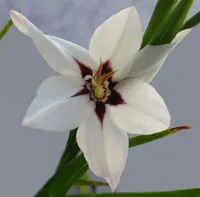
- Corms are solid swollen stems with no layers, as in Abyssinian gladiolus.
- Tubers are swollen stems or roots that grow from buds, as in cyclamen.
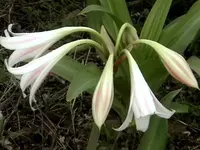
- Rhizomes are horizontal underground stems, as in lily of the Nile.
The structure also determines how each plant spreads and multiplies. True plants with bulb roots produce offsets around the base, while corms form replacements on top. Tubers expand from their eyes, and rhizomes colonize outward along the soil surface.
Which Plant Families Produce These Species?
Most plants in this category belong to three families that together cover over 4,400 species worldwide.
So, Amaryllidaceae and Liliaceae account for most familiar garden species, while Iridaceae contributes the widest variety of flower forms, from irises to gladioli.