What Actually Counts As a Nut?
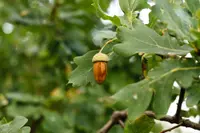
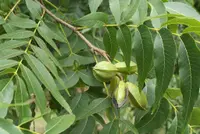
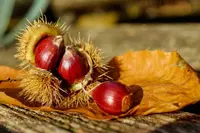
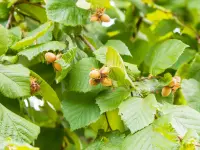
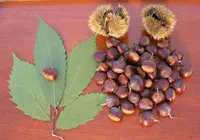
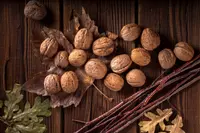
Botanists are surprisingly picky about this word. A true nut is a hard, dry fruit that remains tightly closed, and acorns, hazelnuts, and chestnuts fit this definition. However, almost all nuts we snack on subtly violate this rule.
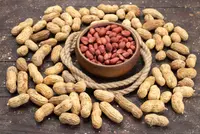
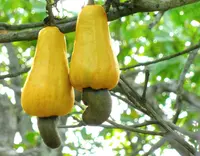
Almonds are actually seeds hidden inside drupes, cashews are fleshy fruits, and peanuts ripen underground as full-fledged legumes. The kitchen and the botanist rarely agree on this point.
Range of Plants That Produce Nuts
Nut trees actually come in only a small number of genera. Some have just a few species, while others number in the dozens. Only a small group accounts for the majority of the world's commercial output, with almonds surpassing all other nuts in sales.
You'll find all nuts' names listed in the table below, each associated with its own plant family.
Where Nut Plants Grow in the Wild
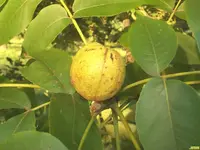
Nut species grow across the world in temperate and tropical zones. Walnuts and hazelnuts are widespread in the Northern Hemisphere, so their relatives crop up from North America through Europe and into Asia.
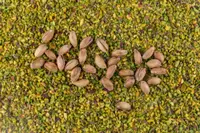
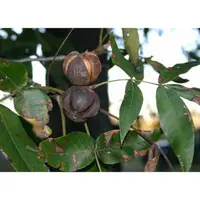
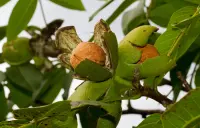
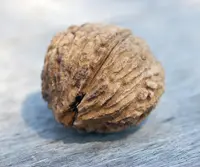
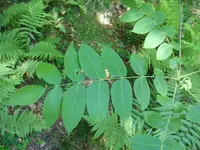
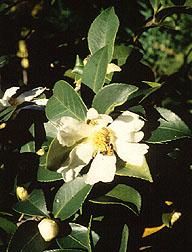
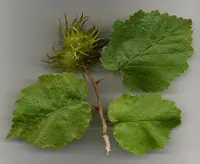
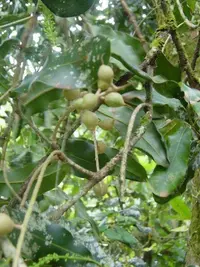
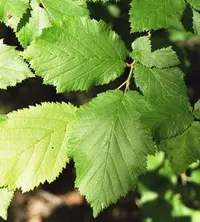
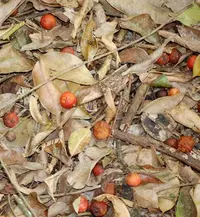
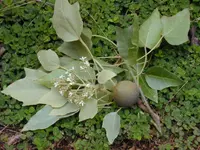
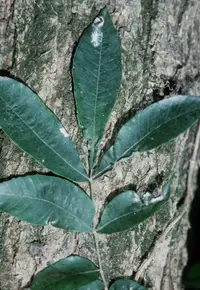
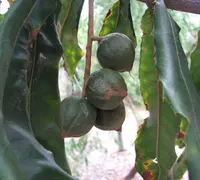
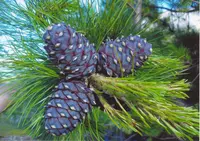
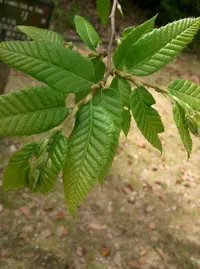
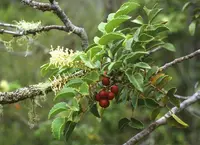
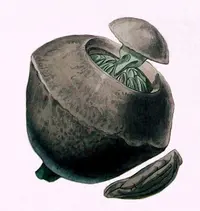
Other species occupy much narrower territories, such as the macadamia, which clings to a slim strip of eastern Australia. The Brazil nut is at the very narrowest end of this zone — it grows wild only in the Amazon and requires untouched forest to bear fruit. On this page you will find a complete list of nuts with pictures, so you can match each species to its shell at a glance.