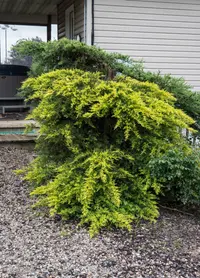
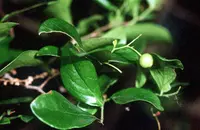
beaked hazelnut Care (Corylus cornuta)

Also known as: Beaked Hazel
beaked hazelnut

About beaked hazelnut

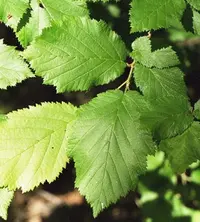
Beaked hazelnut, Corylus cornuta, is a deciduous shrub native to North America, commonly found in woodlands, thickets, and forest edges. It forms a multi-stemmed shape with broad, serrated leaves and produces edible nuts enclosed in a distinctive beak-like husk.

This species usually grows as an understory shrub and adapts well to cool-temperate climates. It prefers sun to light shade, moderate moisture, and well-drained, slightly acidic to neutral soil.

Hardy and relatively low-maintenance, it suits naturalized plantings, wildlife gardens, and informal hedges. Understanding how to care for beaked hazelnut mainly involves providing enough light, space to spread, and protection from heavy competition in its early years.

Main Plant Requirements

Care Difficulty

Easy Care

Light Preference

Full Sun

Water Requirements

Moderate Water

Temperature Preference

Cold Hardy

Hardiness Zone

3–9

Soil Texture

Sandy, Loamy, Clay

Soil pH

Acidic (5.5–6.5), Slightly acidic (6.5–7.0)

Soil Drainage

Moist but well-drained

Fertilization

Minimal (feed rarely)

Get Personalized Care Plan

Scan your plant to receive care tips personalized for your specific plant

Available on iOS and Android

How to Care for the beaked hazelnut

This shrub prefers cool-summer conditions with moderate direct sun and some daily shade for steady nut and shoot development.

  • Provide 4–6 hours of direct sun daily, ideally morning sun with light afternoon shade, especially in hotter regions above 85°F (29°C).
  • Site beaked hazelnut where it receives partial shade under high, open trees or on the east or north side of a building to prevent leaf scorch.
  • In cooler climates it tolerates more sun, but in warm or exposed sites monitor leaves for browning edges that signal excess light and heat stress.

This species prefers consistently moist, well-drained soil, especially while establishing deep, resilient roots.

  • In the first 1–2 years, water when the top 5–8 cm of soil feels dry, applying a slow, deep soak rather than frequent light sprinkling.
  • Mature Corylus cornuta tolerates short dry spells but benefits from watering during extended droughts when leaves start to droop or curl slightly.
  • Avoid soggy conditions by planting in soil that drains within 24 hours and watching for yellowing leaves or dieback, which may indicate overwatering and root stress.

This cold-hardy shrub suits temperate climates with cool to warm summers and chilly winters that support proper dormancy.

  • Active growth is best at 60–75°F (16–24°C); shoots and leaves develop steadily and pollen production remains reliable in this range.
  • Dormant plants tolerate winter lows to about -30°F (-34°C), with fully hardened wood surviving typical northern U.S. and southern Canadian winters.
  • During summer, it manages brief heat up to 90–95°F (32–35°C) if soil moisture is maintained and roots are mulched, but prolonged extreme heat can reduce nut set and stress foliage.

This shrub tolerates a wide humidity range and usually does not need special adjustments outdoors.

Corylus cornuta prefers fertile, well-aerated mineral soil with steady moisture and strong drainage.

  • Use a loamy or sandy-loam soil that includes mineral particles plus organic matter for structure and rooting.
  • Aim for slightly acidic to neutral pH around 6.0–7.0 to support nutrient availability and root health.
  • Incorporate 20–40% compost plus coarse sand or fine grit to increase fertility while maintaining drainage and aeration.
  • Avoid heavy, compacted clay, standing water, or sites where water lingers after rain, which promote root rot.

This species can be grown in large outdoor containers, but only with careful attention to root space and stability.

  • Choose a heavy, wide container at least 45–60 cm deep to anchor the shrub’s height and spreading canopy in wind.
  • Use a mineral-based mix with added compost and coarse sand to mimic field soil while preventing waterlogging in a confined volume.
  • Position the container where it is sheltered from strong prevailing winds so the tall, woody growth does not tip the pot.

This native shrub generally needs little feeding in average garden soil, but light fertilization can support growth in poor sites.

  • Apply a balanced slow-release fertilizer (around 10-10-10) at half strength once in early spring as new growth begins.
  • Supplement with a thin layer of compost over the root zone each spring, keeping it away from direct stem contact.
  • Avoid additional feeding after midsummer so beaked hazelnut can harden growth before winter dormancy.

Corylus cornuta benefits from light, periodic pruning to maintain structure and health.

  • Prune in late winter to very early spring, before bud break, when branch structure is easy to see.
  • Remove dead, diseased, or crossing branches first, using clean, sharp bypass pruners or a pruning saw.
  • Thin crowded interior shoots to improve light and air flow, keeping a natural, multi-stemmed form.
  • Shorten or remove awkward stems at the base to control size without heavy cutting of main framework branches.

This shrub is usually grown in the ground, so focus on careful transplanting rather than frequent repotting.

  • Transplant young plants in early spring or early fall when soil is moist and temperatures are mild.
  • Move when roots fill the nursery container or growth slows, choosing a site with well-drained soil and adequate space.
  • Dig a wide planting hole, disturb circling roots gently, and replant at the same depth as in the container.
  • Water deeply after planting and keep soil evenly moist for the first season to reduce transplant stress.

This species is most often propagated from seed, though layering is also practical for home growers.

  • Collect ripe nuts in fall and sow outdoors immediately, or cold-stratify seeds 3–4 months at 34–41°F before spring sowing.
  • Use deep pots or nursery beds with well-drained, loamy substrate and keep evenly moist, not waterlogged.
  • Try simple layering in spring by pegging a flexible low branch into the soil and covering a section with soil or compost.
  • Sever the rooted layered section from the parent after 1 growing season and transplant during dormant weather.

This shrub is cold hardy in much of its native range and usually needs minimal winter attention in the ground.

  • Tolerates typical winter lows across USDA zones 3–8 once established, with no stem wrapping required.
  • Apply 5–8 cm of organic mulch over the root zone in late fall, keeping mulch a few cm away from stems.
  • For container plants, move pots into an unheated garage or sheltered area to prevent rootball freezing and thawing cycles.

Care Tips

Sucker management

Inspect the base of the shrub each spring and cut unwanted root suckers flush with the soil using clean, sharp pruners to keep the plant from spreading aggressively and to maintain an accessible harvest area.

Winter rodent protection

In areas with heavy vole or rabbit activity, wrap the lower 30–60 cm of stems with breathable tree guards or hardware cloth in late fall to prevent bark chewing that can girdle and kill young plants.

Catkin and nut set

For better pollination and nut production, plant at least 2 genetically different beaked hazelnut shrubs within 6–9 m and avoid pruning catkin-bearing branches in late winter when they are about to release pollen.

Mulch ring design

Maintain a 5–8 cm deep ring of coarse organic mulch extending 60–90 cm from the base, but keep a mulch-free gap of 5–8 cm around stems to reduce rot risk and moderate soil moisture for more stable Corylus cornuta care.

Wildlife harvest timing

As husks begin to brown, check nuts daily and collect them promptly or lay a breathable sheet or net under the shrub, since squirrels and birds often remove ripe nuts within days once they start to drop.

Common Pests and Diseases

Eastern filbert blight

This disease causes elongated, sunken cankers on stems and branches, often with rows of tiny black fungal fruiting bodies, leading to dieback over time.

Solution

Prune out infected branches 20–30 cm below visible cankers during dry weather and destroy the material, then improve air circulation by thinning crowded growth; in areas with a known history of this disease, preventive fungicide sprays labeled for filbert blight may be needed on young shoots in early spring according to local extension recommendations.

Filbert aphids

These insects feed on the undersides of leaves and young shoots, causing curling, distortion, and sticky honeydew that can lead to sooty mold growth.

Solution

Rinse colonies from foliage with a strong stream of water, encourage natural predators like lady beetles by avoiding broad-spectrum insecticides, and if populations remain high, use a horticultural soap or light horticultural oil thoroughly on leaf undersides according to label directions.

Filbert leafroller

This pest is a caterpillar that rolls and ties leaves with silk, feeding within the shelter and causing ragged foliage and occasional damage to young nuts or catkins.

Solution

Hand-remove and destroy rolled leaves containing larvae when feasible, monitor in spring for early signs of feeding, and if damage is significant, apply a Bacillus thuringiensis (Bt) product to young larvae on newly expanding foliage following label timing and coverage guidelines.

Hazelnut weevil

This pest lays eggs in developing nuts; larvae feed inside, causing premature nut drop and hollow or damaged kernels at harvest.

Solution

Collect and destroy prematurely fallen nuts to reduce larval survival, keep the area under shrubs clean of old nuts, and in sites with recurring problems, consult local extension guidance on timing targeted insecticide sprays to adult weevils just before and during early nut formation.

Bacterial blight

This disease produces dark, water-soaked spots on young leaves, shoots, and catkins that may turn brown and die back, especially after cool, wet spring weather.

Solution

Prune out and discard infected twigs during dry periods, avoid overhead irrigation that keeps foliage wet, improve airflow by spacing and thinning, and in high-risk areas, copper-based sprays labeled for hazelnut can be applied in late fall and early spring as part of broader Corylus cornuta care instructions.

Interesting Facts

Distinctive beaked husk

The nut of Corylus cornuta is enclosed in a long, tubular husk that extends well beyond the nut, forming a narrow beak that can be as long as or longer than the nut itself and helps distinguish it from other North American hazelnuts.

Early-spring wind pollination

Male catkins release large amounts of lightweight pollen in late winter to early spring, often before leaves emerge, while the tiny red female flowers rely entirely on wind rather than insects for pollination.

Key wildlife food source

Its high-fat nuts are an important autumn food for squirrels, chipmunks, mice, jays, grouse, and other wildlife, which both consume the seeds and disperse them by caching nuts in the soil.

Botan icon

Did you know?

Corylus cornuta commonly hybridizes where its ranges overlap with American hazelnut (Corylus americana), forming natural hybrid swarms that can display intermediate traits in leaf shape, husk length, and growth habit, which sometimes complicates field identification for botanists.

FAQs about beaked hazelnut

This shrub spreads moderately by suckers and seed, forming thickets over time, especially in moist, open sites. Regular removal of unwanted shoots and seedlings keeps it contained and suitable for smaller landscapes without becoming unmanageable.

Grow Healthy Plants with Botan Care

Keep your plants happy and healthy with plant identification, disease detection, and easy care guidance.

Botan plant care app — identify plants on mobile

Explore More Plants